

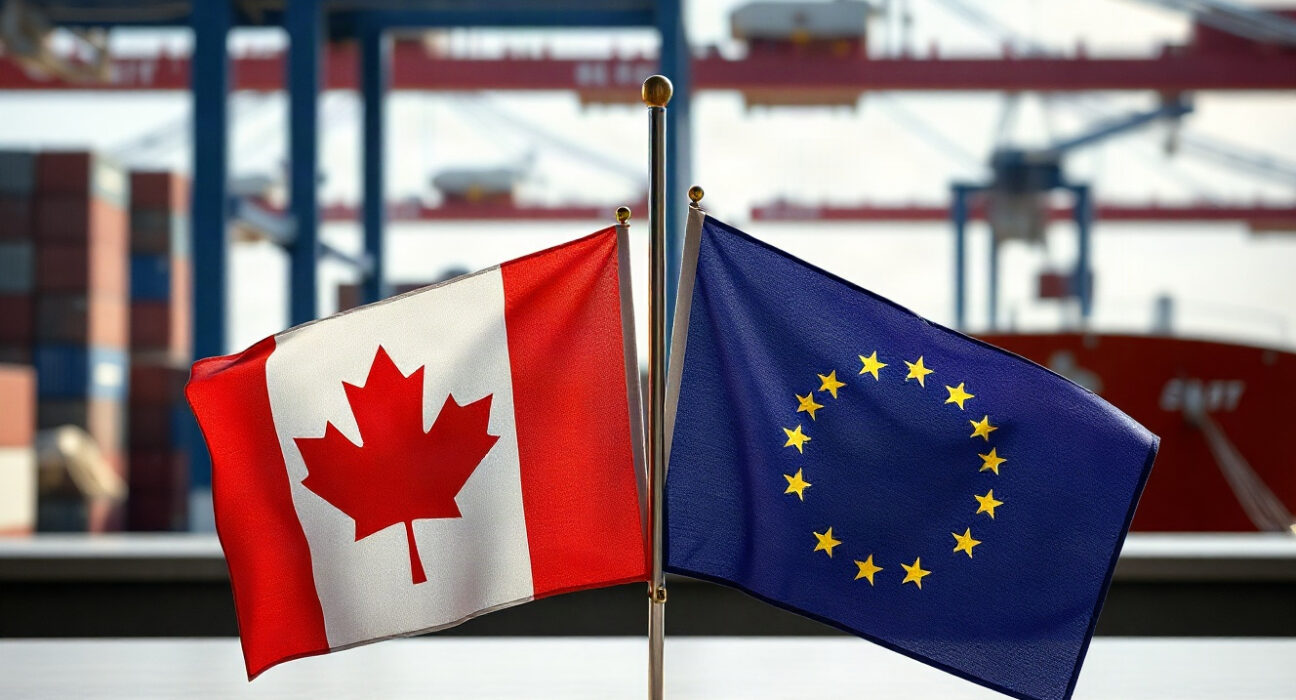
Canada’s efforts to diversify its trade partnerships are encountering a significant obstacle as the European Union adopts a more protectionist stance, according to a recent report by NBC. The shift, which has been developing over the past year, threatens to undermine Canada’s strategic goal of reducing its economic reliance on the United States.
Understanding the EU’s Protectionist Turn
The European Union has historically been a proponent of free trade, but recent policy changes indicate a move toward protecting domestic industries. This includes stricter regulatory standards, increased tariffs on certain goods, and a more cautious approach to new trade agreements. These measures are designed to shield European businesses from foreign competition, but they also create barriers for trading partners like Canada.
For Canada, which has been actively seeking to expand its export markets beyond the U.S., the EU’s protectionist policies present a direct challenge. The Comprehensive Economic and Trade Agreement (CETA) between Canada and the EU was once seen as a cornerstone of diversification, but its full potential may now be limited by these new trade barriers.
Implications for Canada’s Diversification Strategy
Canada’s diversification strategy has been a key priority for the government, particularly in light of ongoing trade tensions with the United States. The EU was seen as a natural partner due to its size and economic stability. However, the protectionist shift means that Canadian businesses may face higher costs and more red tape when exporting to Europe, reducing the attractiveness of this market.
According to trade analysts, the impact could be significant. The EU is one of the world’s largest economies, and any reduction in market access could force Canada to look elsewhere, such as the Asia-Pacific region. However, this is not a simple fix, as other markets also have their own trade complexities.
Why This Matters for Canadian Businesses
For Canadian exporters, the EU’s protectionist policies could mean slower growth in a key market. Industries such as agriculture, manufacturing, and technology may be particularly affected. The uncertainty also makes it harder for businesses to plan long-term investments in European operations.
Moreover, the shift could have broader economic implications, affecting job creation and economic growth in Canada. The government may need to reassess its trade priorities and explore new agreements with other partners to compensate for the EU’s reduced openness.
Conclusion
The EU’s protectionist shift represents a new challenge for Canada’s trade diversification efforts. While the full impact is still unfolding, it is clear that Canada will need to adapt its strategy to navigate this changing landscape. This may involve deepening ties with other regions, such as Asia and Latin America, and pushing for more favorable terms in existing agreements. The path to diversification is becoming more complex, but it remains a critical goal for Canada’s economic resilience.
FAQs
Q1: What is CETA and how does it relate to Canada-EU trade?
CETA is the Comprehensive Economic and Trade Agreement between Canada and the European Union, which aims to reduce trade barriers and increase investment. It is a key element of Canada’s diversification strategy, but the EU’s protectionist shift may limit its benefits.
Q2: Why is Canada seeking to diversify its trade?
Canada relies heavily on the United States as its largest trading partner. Diversification reduces this dependency, spreading risk and opening new markets for Canadian goods and services.
Q3: What other markets is Canada considering?
Canada is exploring opportunities in the Asia-Pacific region, including countries like Japan, South Korea, and members of the Comprehensive and Progressive Agreement for Trans-Pacific Partnership (CPTPP), as well as Latin American nations.
Disclaimer: The information provided is not trading advice, Bitcoinworld.co.in holds no liability for any investments made based on the information provided on this page. We strongly recommend independent research and/or consultation with a qualified professional before making any investment decisions.
