

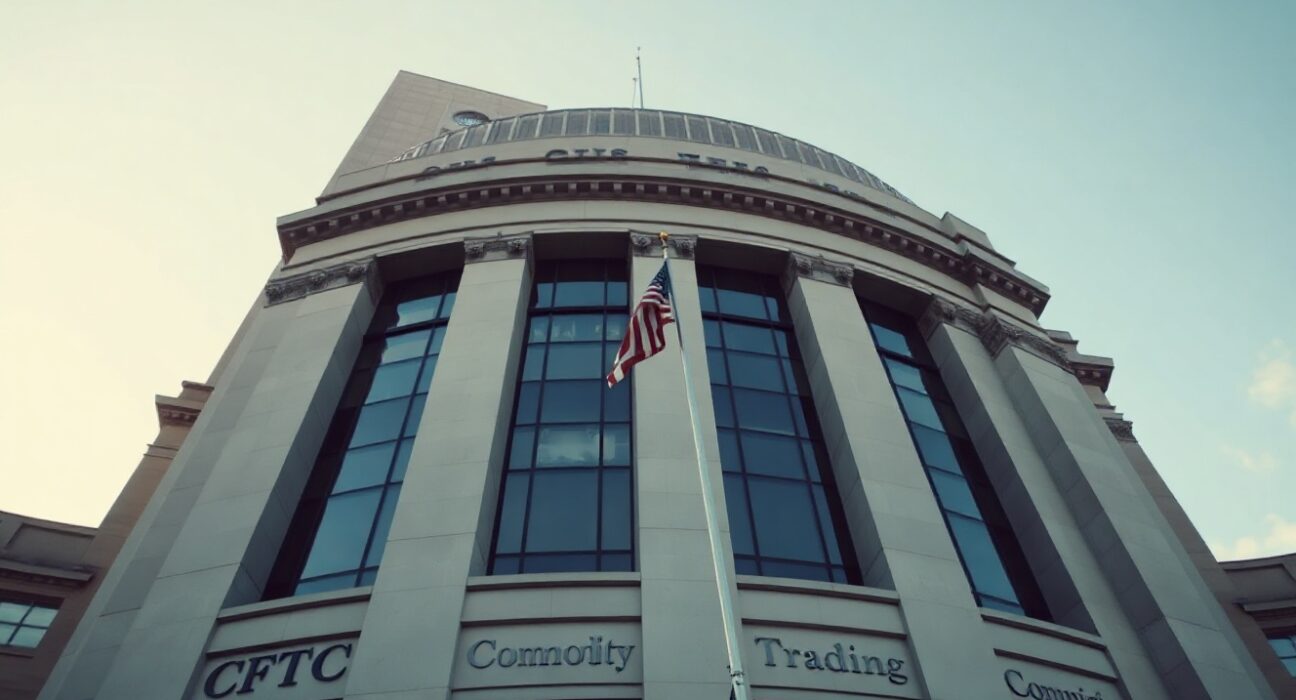
The U.S. Commodity Futures Trading Commission (CFTC) has officially opened a public comment period on new regulations governing prediction markets, Chairman Mike Selig announced via social media. The move signals a significant step toward formalizing how the agency evaluates event contracts — financial instruments that allow traders to bet on the outcome of future events, from sports games to political elections.
What the proposed rules cover
The CFTC’s proposal seeks to establish a clear framework for determining which types of events are suitable for betting through regulated exchanges. According to Selig, the goal is to balance market integrity with room for innovation, adding that this round of rulemaking will not be the final word on the matter.
The Wall Street Journal previously reported that the agency’s draft rules would explicitly permit sports-related betting contracts while imposing a blanket ban on wagers involving events with a high potential for insider trading. Specifically, the proposal would prohibit contracts tied to wars, terrorism, assassinations, and other events where non-public information could give certain traders an unfair advantage.
Why this matters
Prediction markets have grown rapidly in recent years, drawing interest from retail traders, institutional investors, and political forecasters. Platforms like Kalshi and PredictIt have pushed the boundaries of what types of event contracts can be offered, creating regulatory uncertainty. The CFTC’s new rules aim to provide clarity for market participants while addressing concerns about market manipulation and the ethical limits of betting on tragic events.
Key implications for the industry
- Legal clarity: A formal framework could reduce legal risks for platforms operating in the U.S., encouraging more innovation and investment.
- Consumer protection: Clear rules on prohibited events could help prevent markets that exploit sensitive or tragic occurrences.
- Insider trading safeguards: The ban on contracts related to wars, terrorism, and assassinations directly targets scenarios where inside knowledge could distort pricing.
- Sports betting carve-out: Explicitly allowing sports-related contracts aligns the CFTC with broader U.S. trends toward legalized sports wagering.
Background and timeline
The CFTC has been grappling with prediction market regulation for years. In 2022, the agency blocked Kalshi from offering political event contracts, arguing they resembled gambling rather than hedging. The new proposal appears to refine that stance by distinguishing between permissible sports bets and impermissible event contracts tied to violence or national security.
The public comment period gives stakeholders — including exchanges, traders, consumer advocates, and legal experts — a chance to weigh in before the rules are finalized. Selig emphasized that the proposal is a starting point, not a finished product, suggesting further adjustments are likely based on feedback.
Conclusion
The CFTC’s move to open public comments on prediction market rules represents a pivotal moment for the industry. By drawing a line between acceptable sports betting and prohibited event contracts linked to violence or insider trading, the agency is attempting to foster innovation while maintaining market integrity. The outcome of this rulemaking process will shape the legal landscape for prediction markets in the U.S. for years to come.
FAQs
Q1: What are prediction markets?
Prediction markets are financial markets where participants trade contracts based on the outcome of future events, such as election results, sports scores, or economic indicators. They are also known as event contracts.
Q2: Why is the CFTC banning bets on wars and terrorism?
The CFTC’s proposal bans contracts on events like wars, terrorism, and assassinations because they carry a high risk of insider trading. Non-public information about such events could give certain traders an unfair advantage, undermining market integrity.
Q3: How can the public participate in the comment period?
Stakeholders can submit comments through the CFTC’s official website during the open comment window. The agency will review all submissions before finalizing the rules.
Disclaimer: The information provided is not trading advice, Bitcoinworld.co.in holds no liability for any investments made based on the information provided on this page. We strongly recommend independent research and/or consultation with a qualified professional before making any investment decisions.
