

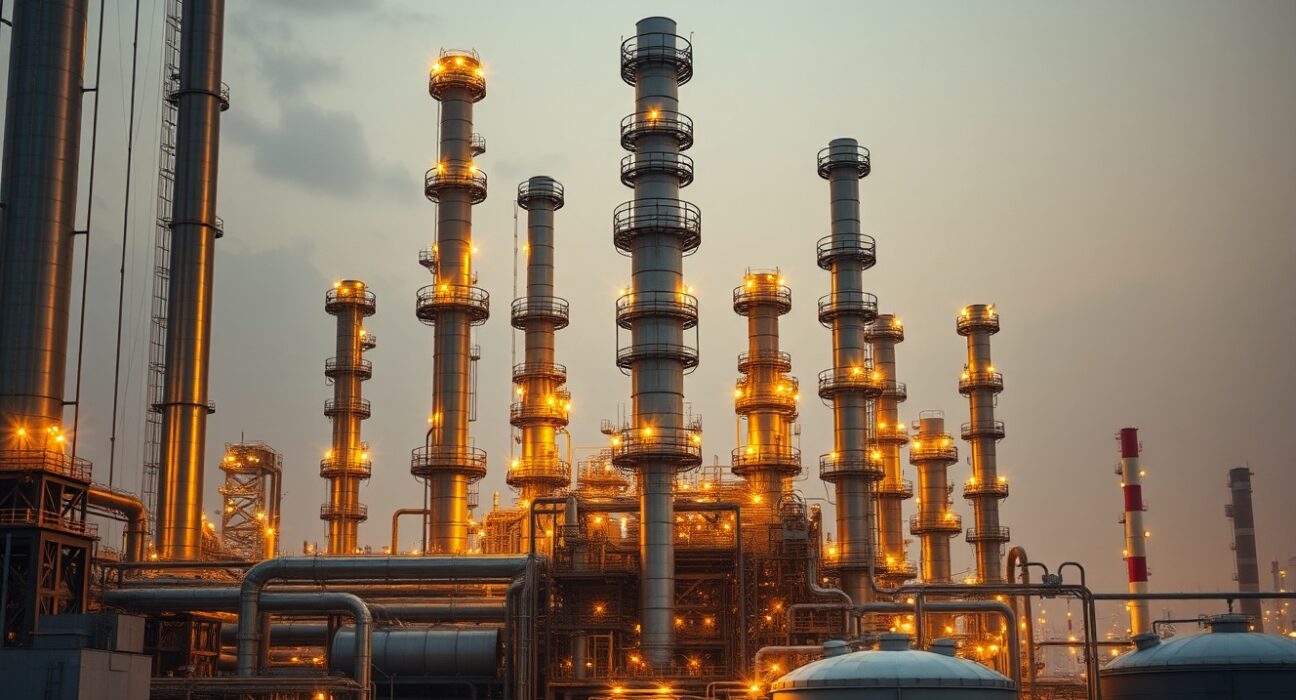
China has lifted its fuel export restrictions for July, according to a report from Reuters, signaling a potential shift in the country’s energy policy and offering relief to global markets grappling with tight supply. The decision, which applies to refined products such as diesel and gasoline, allows Chinese refiners to increase outbound shipments after months of capped quotas.
Policy Shift and Market Context
China, the world’s largest oil importer and a major refiner, had previously imposed strict export limits to prioritize domestic supply and manage refining margins. The July easing comes amid growing global demand and pressure on Asian refining hubs. Analysts view the move as a balancing act: supporting domestic refiners while maintaining stable international market relations.
The relaxation follows a period of reduced export quotas earlier this year, which had tightened supply in regional markets and supported fuel prices. With the new policy, Chinese refineries—many operating at high utilization rates—are expected to redirect surplus output to export markets, particularly in Asia and Africa.
Implications for Global Fuel Markets
The immediate effect of China’s lifted restrictions is likely to increase global fuel availability, potentially easing prices for diesel and gasoline. Traders anticipate higher cargo volumes from Chinese ports in the coming weeks, which could narrow profit margins for other Asian refiners.
However, the extent of the impact depends on how quickly refineries can adjust logistics and secure shipping. Some analysts caution that while the policy change is significant, it may not fully offset supply deficits from other regions, such as reduced Russian exports or unplanned outages in Europe.
Refining Industry Outlook
For Chinese refiners, the lifted restrictions offer an opportunity to improve margins by selling into higher-priced international markets. State-owned giants like Sinopec and PetroChina, as well as independent teapot refineries, are expected to benefit. The move also aligns with China’s broader strategy of maintaining influence in global energy trade while managing domestic inflation pressures.
Conclusion
China’s decision to lift fuel export restrictions for July marks a notable policy pivot with ripple effects across global energy markets. While the immediate outlook points to increased supply and potential price moderation, the sustainability of this policy beyond July remains uncertain. Market participants will closely monitor export volumes and any further regulatory signals from Beijing in the coming months.
FAQs
Q1: Why did China lift fuel export restrictions for July?
A1: China eased restrictions to balance domestic refining capacity, support refinery margins, and respond to global supply tightness, according to Reuters.
Q2: Which products are affected by the lifted restrictions?
A2: The policy applies primarily to refined petroleum products, including diesel and gasoline, which are key exports for Chinese refineries.
Q3: How will this impact global fuel prices?
A3: Increased Chinese exports are expected to boost global supply, potentially lowering prices for diesel and gasoline, though the effect depends on export volumes and other market factors.
Disclaimer: The information provided is not trading advice, Bitcoinworld.co.in holds no liability for any investments made based on the information provided on this page. We strongly recommend independent research and/or consultation with a qualified professional before making any investment decisions.
