

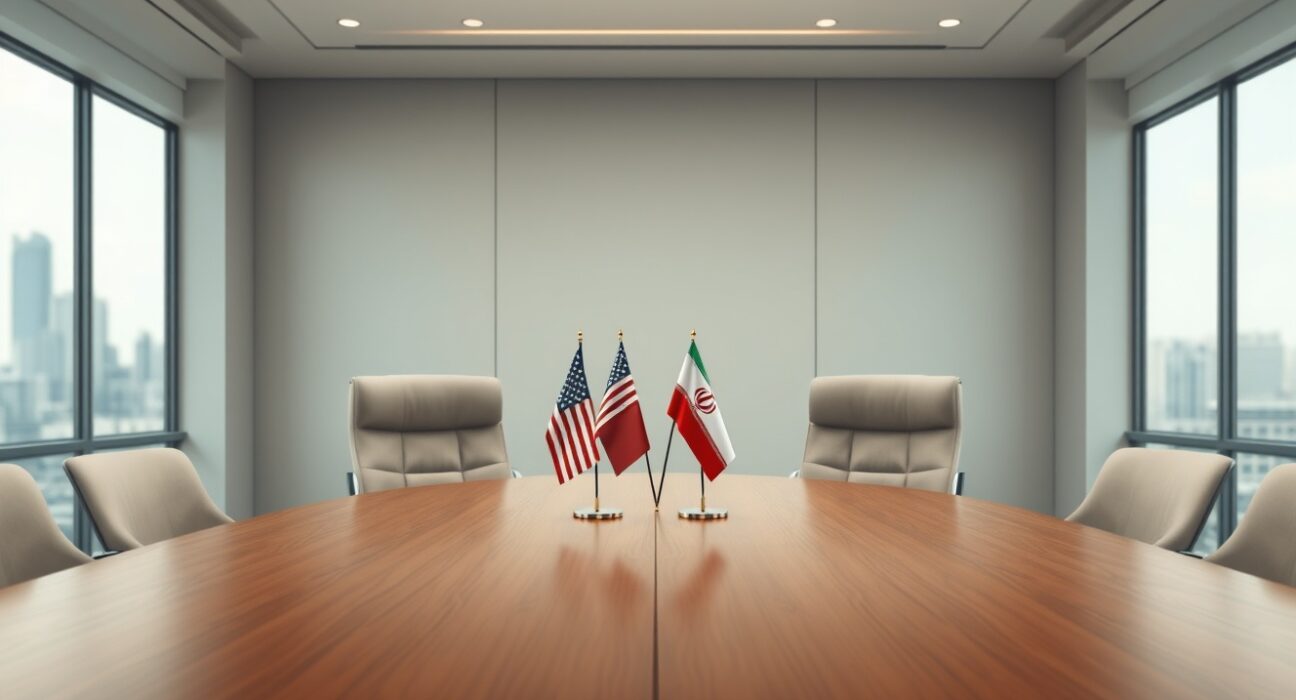
WASHINGTON, D.C. – A pivotal new round of diplomatic engagement between the United States and Iran could commence as soon as this week, according to a statement from an Iranian embassy official in Pakistan on Monday. This development signals a potential breakthrough in stalled negotiations concerning Iran’s nuclear program and regional security issues. Consequently, international observers are closely monitoring the situation for signs of progress.
Critical U.S.-Iran Talks: Timing and Context
The announcement regarding the timing of the next U.S.-Iran talks follows months of indirect communications and diplomatic stalemates. An official from the Iranian embassy in Islamabad provided the tentative schedule, indicating talks could be held this week or early next week. This timeline aligns with recent statements from European mediators who have been facilitating dialogue. The talks represent a crucial juncture for the 2015 Joint Comprehensive Plan of Action (JCPOA), commonly known as the Iran nuclear deal.
Furthermore, the Biden administration has consistently expressed a willingness to return to mutual compliance with the JCPOA. However, significant obstacles remain, including Iran’s advancing uranium enrichment levels and disagreements over sanctions relief. The upcoming discussions will likely address these core issues directly. Meanwhile, regional tensions involving proxy groups add another layer of complexity to the negotiations.
Background of the Nuclear Negotiations
The diplomatic relationship between the U.S. and Iran has experienced dramatic shifts over the past decade. The landmark 2015 agreement imposed strict limits on Iran’s nuclear activities in exchange for the lifting of international economic sanctions. However, the Trump administration unilaterally withdrew from the deal in 2018, reinstating harsh sanctions under a “maximum pressure” campaign. In response, Iran gradually began exceeding the deal’s nuclear limits.
Since 2021, negotiations to revive the agreement have proceeded in fits and starts, primarily through indirect talks in Vienna. Key outstanding issues include:
- Sanctions Verification: Mechanisms to ensure sanctions are lifted effectively.
- Nuclear Rollback: Steps for Iran to return to compliance with enrichment limits.
- Guarantees: Assurances against future U.S. withdrawal from the agreement.
- Regional Issues: Addressing activities of Iran-aligned militias in the Middle East.
Therefore, the potential resumption of talks carries significant weight for global non-proliferation efforts.
Expert Analysis on Diplomatic Prospects
Regional security analysts emphasize the high stakes of the forthcoming U.S.-Iran talks. Dr. Anahita Mir, a senior fellow at the Center for Strategic Studies, notes, “The window for reviving the JCPOA is narrowing technically and politically. Each side faces domestic pressures that complicate compromise.” She points to Iran’s presidential elections and the U.S. congressional landscape as critical factors. Additionally, the International Atomic Energy Agency (IAEA) continues to report on Iran’s growing stockpile of highly enriched uranium.
Simultaneously, economic factors exert pressure on both nations. U.S. sanctions have significantly impacted Iran’s economy, contributing to inflation and currency devaluation. Conversely, global energy market instability has increased the strategic importance of Iran’s oil reserves. A successful negotiation could potentially ease oil supply constraints. However, failure could lead to escalated regional conflict and a accelerated nuclear breakout timeline.
Potential Impacts and Global Reactions
The outcome of these diplomatic talks will have immediate and far-reaching consequences. Primarily, success could stabilize the Middle East by reducing the risk of military confrontation. It would also reinstate intrusive IAEA monitoring of Iran’s nuclear facilities. European allies, Russia, and China have all urged a return to the agreement, viewing it as essential for international security.
Conversely, a collapse in negotiations might trigger a more assertive regional posture from Iran and its allies. It could also prompt calls for alternative strategies, including increased military preparedness among Gulf states and Israel. The following table outlines key potential outcomes:
| Scenario | Likely Outcome | Global Impact |
|---|---|---|
| Successful Deal Revival | Sanctions relief for Iran, nuclear limits restored, enhanced monitoring. | Reduced oil prices, decreased regional tensions, strengthened non-proliferation. |
| Partial Agreement | Interim steps on sanctions and enrichment, with core issues deferred. | Temporary de-escalation, continued diplomatic engagement, uncertain long-term stability. |
| Complete Breakdown | Increased enrichment by Iran, tighter U.S./EU sanctions, heightened military alerts. | Spike in oil prices, increased proxy conflict risk, potential for direct confrontation. |
Ultimately, the international community awaits concrete developments from the meeting venue, which has not yet been publicly disclosed.
Conclusion
The announcement that critical U.S.-Iran talks could resume imminently marks a decisive moment for international diplomacy. These discussions will test the political will of both nations to overcome deep-seated mistrust and technical hurdles. A successful outcome would deliver a major victory for multilateral conflict resolution and nuclear non-proliferation. However, the path forward remains fraught with challenges that require careful, sustained negotiation. The world will be watching closely as diplomats prepare to engage this week or early next week in what could be a final effort to salvage a peaceful resolution.
FAQs
Q1: What is the main goal of the upcoming U.S.-Iran talks?
The primary objective is to find a mutually acceptable path to revive the 2015 nuclear deal (JCPOA), which would see Iran restrict its nuclear program in exchange for relief from economic sanctions.
Q2: Where will these diplomatic talks likely take place?
While the exact location is unconfirmed, past indirect negotiations have often been held in neutral European capitals like Vienna or through intermediaries in Oman and Qatar.
Q3: Why is the timing of these talks considered critical?
The timing is critical due to Iran’s advancing nuclear capabilities, upcoming political elections in both countries, and rising regional tensions that increase the risk of miscalculation and conflict.
Q4: What are the biggest obstacles to an agreement?
Key obstacles include defining the scope of sanctions relief, establishing verifiable steps for Iran to roll back its nuclear advancements, and providing guarantees that a future U.S. administration will not abandon the deal again.
Q5: How would a revived deal affect global oil markets?
A successful deal could eventually allow Iran to legally export more oil to global markets, potentially increasing supply and placing downward pressure on international oil prices, depending on OPEC+ responses.
Disclaimer: The information provided is not trading advice, Bitcoinworld.co.in holds no liability for any investments made based on the information provided on this page. We strongly recommend independent research and/or consultation with a qualified professional before making any investment decisions.
