

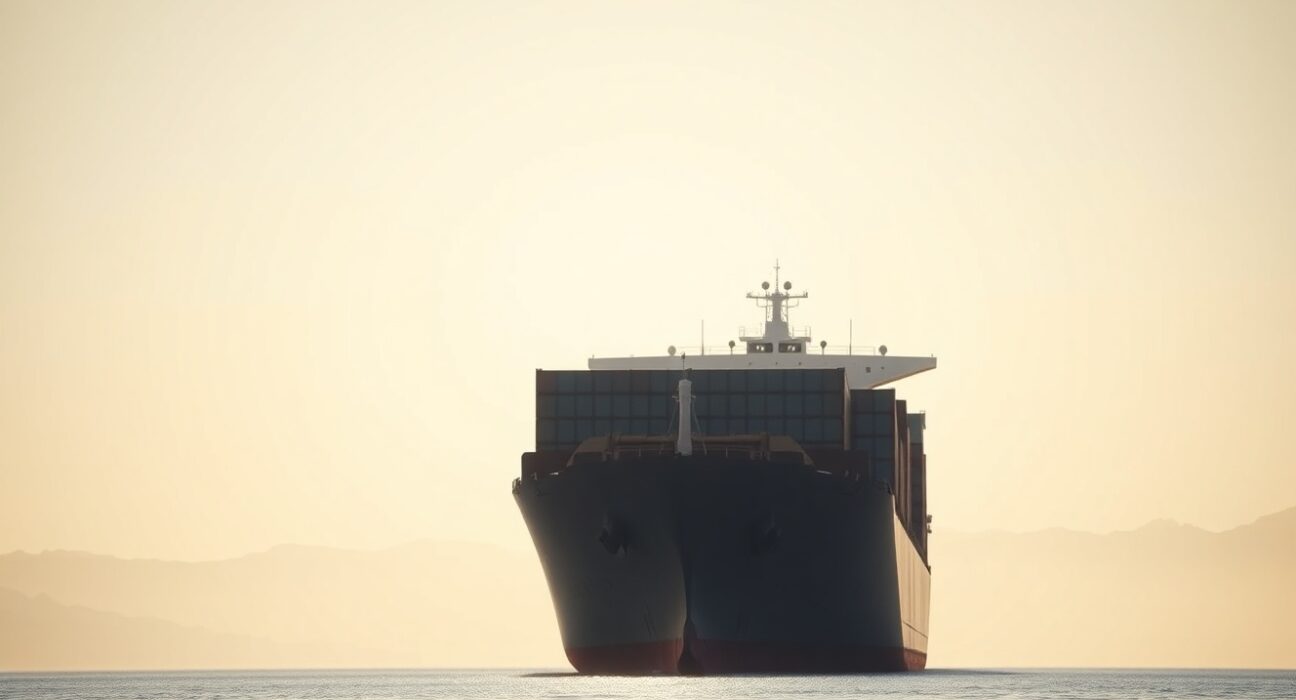
NEW YORK, March 2025 – The Dow Jones Industrial Average plunged into official correction territory this week, shedding over 10% from its recent peak as escalating geopolitical tensions surrounding the Strait of Hormuz fueled a broad-based market selloff. Consequently, investors rapidly de-risked portfolios, driving the blue-chip index to its worst weekly performance this year. This sharp decline reflects mounting concerns over potential disruptions to global energy supplies and trade routes. Furthermore, the selloff highlights the market’s acute sensitivity to geopolitical flashpoints in 2025.
Dow Jones Correction Triggered by Geopolitical Shock
The Dow Jones Industrial Average closed down 2.8% on Thursday, officially crossing the 10% decline threshold that defines a market correction. This selloff was not an isolated event. Instead, it was part of a synchronized global risk-off move. Major European and Asian indices also posted significant losses. The primary catalyst was a sharp escalation in rhetoric and naval posturing around the Strait of Hormuz, a critical chokepoint for global oil shipments. Analysts immediately pointed to the region’s strategic importance. Approximately 21 million barrels of oil, or one-fifth of global seaborne oil trade, pass through the strait daily. Any threat to this transit directly impacts energy prices and, by extension, inflation expectations and corporate earnings forecasts. Therefore, the market reaction was both swift and severe.
Anatomy of the Strait of Hormuz Selloff
The selloff exhibited distinct characteristics common to geopolitically-driven market events. Initially, energy sector stocks experienced volatile swings. Subsequently, the weakness spread to industrials, transportation, and consumer discretionary sectors. This pattern indicates a market pricing in broader economic slowdown risks. The CBOE Volatility Index (VIX), often called Wall Street’s “fear gauge,” spiked by over 35%. Meanwhile, investors flocked to traditional safe-haven assets. Consequently, prices for U.S. Treasury bonds rose, pushing yields lower. The price of gold also climbed. The table below summarizes key market movements during the selloff period:
| Asset/Index | Performance | Key Driver |
|---|---|---|
| Dow Jones Industrial Average | -10.2% (from peak) | Geopolitical risk premium |
| Brent Crude Oil | +8.5% (intra-week) | Supply disruption fears |
| U.S. 10-Year Treasury Yield | -22 basis points | Flight to safety |
| VIX Index | +35.7% | Spike in expected volatility |
Market participants digested reports of increased naval activity. Additionally, they monitored statements from regional powers. These factors collectively eroded investor confidence. The selloff was notably broad, affecting both value and growth stocks. This suggests a systemic reassessment of risk rather than a sector-specific rotation.
Historical Context and Expert Analysis
Historically, markets have shown resilience after initial geopolitical shocks, but the recovery path depends on the duration and scale of the crisis. For instance, similar tensions in 2019 led to a sharp but temporary spike in oil prices and market volatility. However, the current macroeconomic backdrop in 2025 differs significantly. Central banks are navigating a delicate balance between controlling inflation and supporting growth. Consequently, they have less flexibility to respond with stimulative policy. Financial analysts emphasize this constrained environment. “The market is grappling with a dual challenge,” notes a senior strategist at a major investment bank, citing typical analyst commentary. “Geopolitical risk is layering on top of existing concerns about corporate earnings and monetary policy. The correction reflects a repricing for this higher-risk environment.” This expert perspective underscores the complexity of the current selloff. It is not merely a reaction to headlines but a fundamental adjustment.
Broader Impacts on Global Finance and Trade
The implications of a sustained Dow Jones correction extend beyond Wall Street. Firstly, increased market volatility can dampen business investment and consumer confidence. Secondly, higher energy prices act as a tax on consumers and increase costs for manufacturers. Key impacts include:
- Supply Chain Pressures: Shipping insurance costs for vessels transiting the Gulf region could skyrocket, adding to logistics expenses.
- Currency Fluctuations: The U.S. dollar often strengthens during crises, which can hurt multinational corporate earnings.
- Central Bank Dilemma: Policymakers must weigh rising inflation from energy costs against the risk of stifling economic growth.
- Corporate Guidance: Public companies may revise earnings forecasts downward, citing uncertainty and potential cost inflation.
Global trade flows are particularly vulnerable. The Strait of Hormuz is not only vital for oil but also for liquefied natural gas (LNG) and container shipping. A severe disruption could force rerouting around Africa, adding significant time and cost to global commerce. Therefore, the market selloff is a financial signal of these tangible economic risks. Investors are effectively discounting future earnings to account for this heightened uncertainty.
Conclusion
The Dow Jones Industrial Average’s descent into correction territory marks a significant shift in market sentiment, driven directly by fears over the Strait of Hormuz. This event underscores the persistent influence of geopolitical risk on global financial stability in 2025. The selloff reflects a complex calculus involving energy security, inflation, and growth prospects. Moving forward, market direction will hinge on the evolution of the geopolitical situation and the subsequent economic data. For now, the correction serves as a stark reminder of the interconnectedness of global politics and finance.
FAQs
Q1: What defines a “market correction” for the Dow Jones?
A market correction is a decline of 10% or more from a recent peak. It is a normal, though painful, part of market cycles often driven by a specific catalyst like geopolitical events or economic data.
Q2: Why is the Strait of Hormuz so important to global markets?
The Strait of Hormuz is the world’s most critical oil transit chokepoint. A major disruption there would immediately spike global oil prices, raising costs across the economy and threatening growth, which markets aggressively price in.
Q3: How long do typical market corrections last?
Historically, corrections are shorter than bear markets. The average correction since World War II has lasted about four months, but the duration varies greatly depending on the underlying cause.
Q4: What assets typically perform well during a geopolitical selloff?
Investors often flock to safe-haven assets like U.S. Treasury bonds, gold, the Japanese yen, and the Swiss franc during periods of high geopolitical stress and equity market volatility.
Q5: Does a correction mean a bear market is coming?
Not necessarily. While corrections can precede bear markets (declines of 20% or more), many corrections resolve themselves, and markets resume their upward trend once the immediate catalyst is addressed or absorbed.
Disclaimer: The information provided is not trading advice, Bitcoinworld.co.in holds no liability for any investments made based on the information provided on this page. We strongly recommend independent research and/or consultation with a qualified professional before making any investment decisions.
