

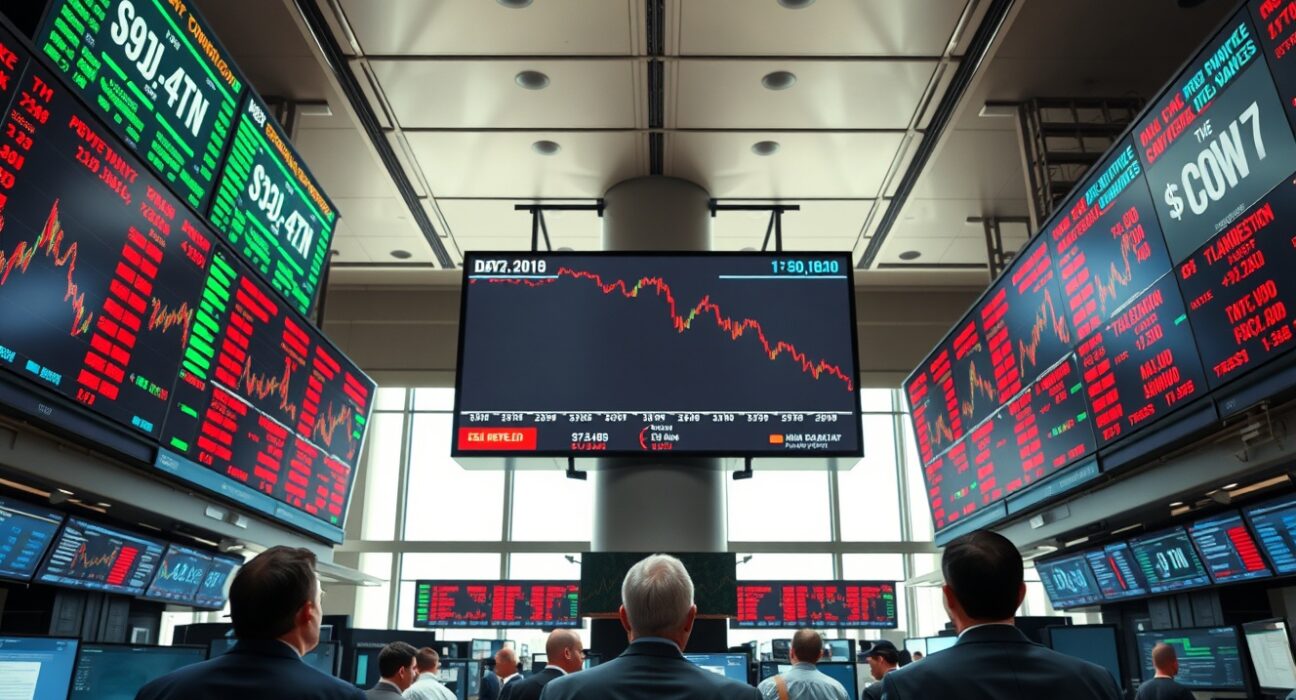
Dow Jones futures edged lower in early trading on Tuesday, reflecting growing investor caution as fresh uncertainty surrounds the status of US-Iran nuclear deal negotiations. Market participants are closely monitoring diplomatic signals from both Washington and Tehran, with any breakdown in talks expected to ripple through global energy markets and broader equity indices.
What Is Driving the Decline?
The dip in futures follows reports that indirect talks between US and Iranian officials have stalled over key disagreements, including the scope of sanctions relief and uranium enrichment limits. The lack of a clear breakthrough has reintroduced geopolitical risk premiums into oil prices, which in turn weighs on sectors sensitive to energy costs, such as airlines, shipping, and manufacturing. The Dow Jones Industrial Average, heavily weighted toward industrial and energy stocks, is particularly exposed to these crosscurrents.
Market Context and Broader Implications
This development comes at a time when equity markets are already grappling with mixed signals on inflation and Federal Reserve policy. The uncertainty over the Iran deal adds another layer of complexity, as a prolonged stalemate could keep oil prices elevated, potentially reigniting inflationary pressures. Conversely, a successful agreement could unlock additional global oil supply and ease geopolitical tensions, providing a tailwind for risk assets. Investors are now pricing in a wider range of outcomes, leading to increased volatility in futures trading.
What This Means for Investors
For traders and long-term investors alike, the key takeaway is the heightened sensitivity of markets to geopolitical headlines. The Dow’s futures movement is not just a reaction to a single headline but reflects a reassessment of risk across portfolios. Sectors with direct exposure to energy costs and Middle Eastern operations are likely to remain under the microscope until clearer signals emerge from the diplomatic track.
Conclusion
The decline in Dow Jones futures underscores the market’s current vulnerability to geopolitical shocks, particularly those affecting energy supply chains. While the situation remains fluid, the absence of a definitive deal keeps a cloud of uncertainty over near-term market direction. Traders should brace for continued headline-driven moves until either a breakthrough or a definitive breakdown occurs.
FAQs
Q1: Why do US-Iran deal talks affect Dow Jones futures?
Because a potential deal could increase global oil supply and reduce geopolitical risk, which impacts energy costs and investor sentiment across multiple sectors in the Dow.
Q2: What sectors are most affected by this uncertainty?
Energy, industrial, and transportation sectors are most directly affected, as they are sensitive to oil price fluctuations and supply chain stability.
Q3: Should I change my investment strategy based on this news?
Short-term traders may need to adjust for increased volatility, but long-term investors should view this as one factor among many and avoid making impulsive decisions based on diplomatic headlines.
Disclaimer: The information provided is not trading advice, Bitcoinworld.co.in holds no liability for any investments made based on the information provided on this page. We strongly recommend independent research and/or consultation with a qualified professional before making any investment decisions.
