

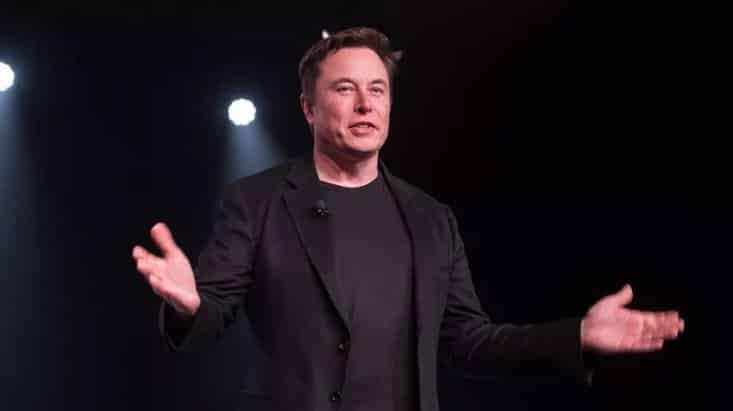
In a major cybersecurity breach earlier this year, the Twitter accounts of high-profile personalities, including Elon Musk and Bill Gates, were hacked to promote Bitcoin scams. The incident caused widespread uproar as hackers used the platform to deceive users into sending funds to fraudulent addresses.
While Twitter promptly restored the compromised accounts, the damage was done. Recently, authorities identified and arrested three individuals involved in the hack, with 17-year-old Graham Ivan Clark from Tampa, Florida, named as the mastermind behind the scheme.
What Happened During the Twitter Hack?
1. Bitcoin Scams Spread Across Prominent Accounts
The hackers used compromised accounts to post scam messages promising to double any Bitcoin sent to specific wallet addresses.
- Victims Included:
- Elon Musk
- Bill Gates
- Former President Barack Obama
- Tesla CEO Elon Musk
- Impact: Some users fell for the scam, transferring funds to the hackers’ wallets.
The Hackers: Who Are They?
1. Mastermind Identified
- Graham Ivan Clark, 17
- Resides in Tampa, Florida.
- Alleged mastermind of the Twitter hack.
2. Accomplices
- Mason Sheppard, 19 (U.K.)
- Nima Fazeli, 22 (Orlando, Florida)
How Did the Hack Occur?
1. Spear-Phishing Campaign
The indictment revealed that Clark orchestrated a phone spear-phishing attack to gain access to Twitter’s internal systems.
- Target: A small number of Twitter employees.
- Method: The hackers used persuasive tactics to exploit human vulnerabilities, tricking employees into granting system access.
2. System Access and Scam Execution
Once inside Twitter’s systems, the hackers posted scam messages on the accounts of influential personalities.
3. Twitter’s Response
Twitter acknowledged the attack in a series of tweets:
“A significant and concerted attempt was made to mislead certain employees and exploit human vulnerabilities to gain access to our internal systems.”
Consequences of the Hack
1. Financial Losses
The scam led to unsuspecting users transferring funds to the hackers’ Bitcoin addresses.
2. Trust Issues
The breach raised questions about the security of social media platforms, particularly for high-profile users.
What’s Next?
1. Legal Action Against the Hackers
The three individuals involved face serious charges, with Graham Ivan Clark identified as the key figure in the attack.
2. Strengthened Security Measures
- Twitter has taken steps to improve its internal systems and safeguard against future attacks.
- The incident highlights the importance of cybersecurity awareness, particularly in large organizations.
Conclusion
The Twitter hack targeting Elon Musk, Bill Gates, and other prominent figures underscores the growing sophistication of cyberattacks. While the arrests of Graham Ivan Clark and his accomplices bring some closure, the incident serves as a stark reminder of the vulnerabilities in digital platforms and the need for robust security measures.
As social media continues to play a central role in public discourse, both users and companies must remain vigilant against potential threats. For more insights into cybersecurity and cryptocurrency scams, explore our article on latest news, where we analyze the latest developments in the digital landscape.
Disclaimer: The information provided is not trading advice, Bitcoinworld.co.in holds no liability for any investments made based on the information provided on this page. We strongly recommend independent research and/or consultation with a qualified professional before making any investment decisions.
