

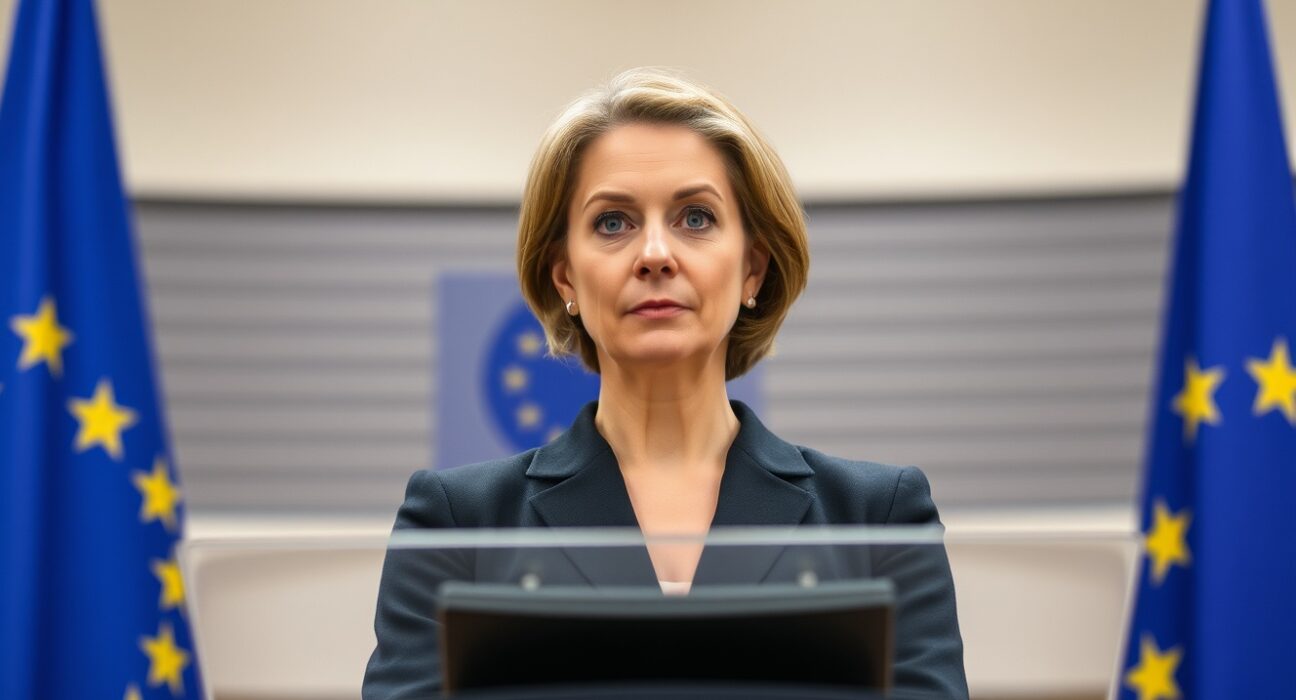
European Union Foreign Affairs Chief Kaja Kallas has issued a strong condemnation of Iran’s recent military attacks targeting Bahrain and Kuwait, warning that such actions threaten the stability of the entire Gulf region. In a statement released on [Date], Kallas described the attacks as a serious violation of international law and called for immediate de-escalation.
Background of the Incident
According to reports, Iran launched a series of strikes against what it described as ‘terrorist positions’ within the sovereign territories of Bahrain and Kuwait. The attacks, which occurred without prior warning, have drawn widespread international criticism. Both Bahrain and Kuwait have condemned the strikes as an act of aggression, and have called for an emergency session of the United Nations Security Council.
EU’s Official Response and Diplomatic Implications
In her statement, Kallas emphasized that the EU stands in full solidarity with Bahrain and Kuwait. She urged Iran to cease all hostile actions and to respect the sovereignty and territorial integrity of its neighbors. The condemnation places the EU firmly in opposition to Iran’s recent military posture, which has also included increased activity in the Strait of Hormuz and proxy engagements in Yemen and Syria.
Why This Matters for Global Security
The attack on Bahrain and Kuwait represents a significant escalation in Iran’s confrontation with Gulf states. Analysts suggest that this could lead to a broader regional conflict, potentially drawing in Saudi Arabia, the United Arab Emirates, and other allied nations. The EU’s involvement signals a potential shift in European foreign policy, which has historically favored diplomatic engagement with Tehran over direct confrontation. Kallas’s firm language may indicate a hardening of the EU’s stance, especially as negotiations over the Iran nuclear deal (JCPOA) remain stalled.
Reactions from the International Community
The United States has also condemned the attacks, with the State Department calling them ‘unprovoked and dangerous.’ Meanwhile, Russia and China have called for restraint on all sides, stopping short of directly criticizing Iran. The United Nations Secretary-General has expressed deep concern and is reportedly in contact with all parties to prevent further escalation.
Conclusion
The EU’s condemnation, led by Kaja Kallas, adds significant diplomatic weight to the international response against Iran’s actions. As the situation develops, the focus will be on whether Tehran heeds the warnings or continues its aggressive posture, potentially triggering a wider crisis in the Middle East.
FAQs
Q1: What exactly did Iran attack in Bahrain and Kuwait?
Iran launched missile and drone strikes targeting what it claimed were militant bases. Both Bahrain and Kuwait reported damage to infrastructure but no immediate civilian casualties.
Q2: Why is the EU’s condemnation significant?
The EU has often taken a more diplomatic approach to Iran. Kallas’s strong condemnation signals a potential shift toward a more confrontational European stance, which could affect ongoing diplomatic negotiations and sanctions policy.
Q3: Could this lead to a war in the Gulf?
While a full-scale war is not imminent, the attack significantly raises tensions. If Iran continues such strikes, or if Bahrain and Kuwait retaliate with support from allies, the region could face a serious military confrontation.
Disclaimer: The information provided is not trading advice, Bitcoinworld.co.in holds no liability for any investments made based on the information provided on this page. We strongly recommend independent research and/or consultation with a qualified professional before making any investment decisions.
