

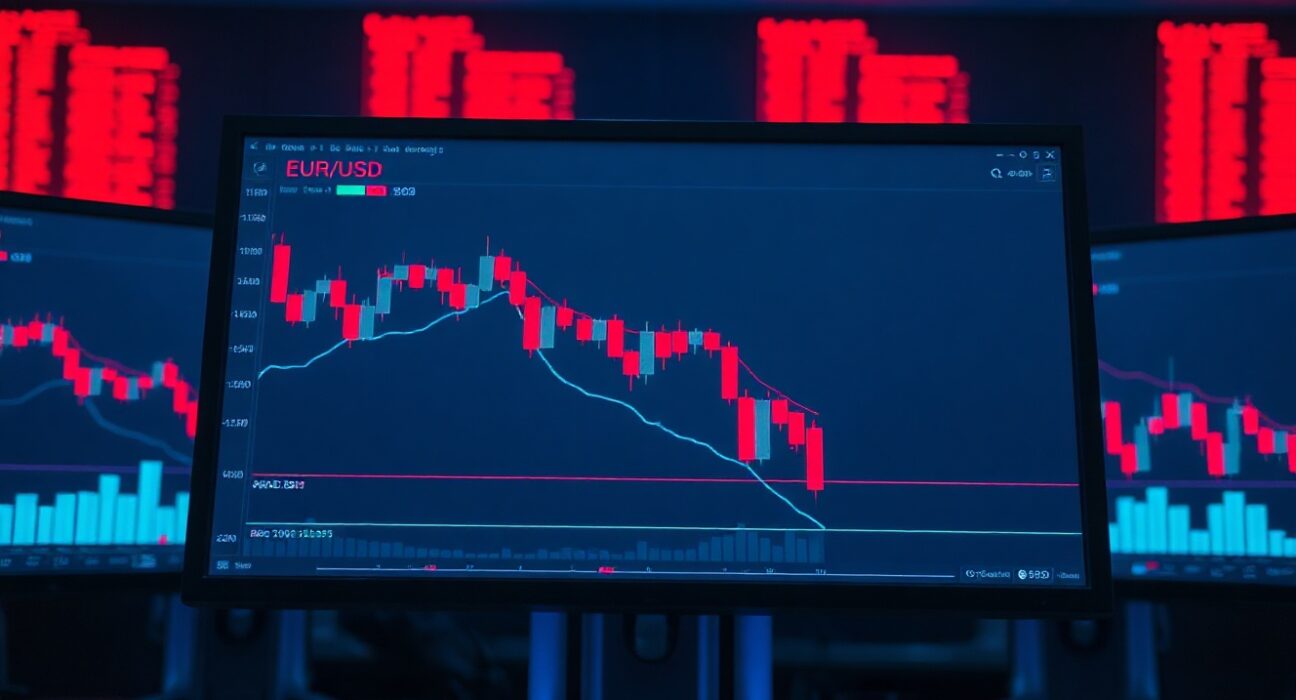
EUR/USD is under renewed selling pressure, with technical analysts pointing to a potential decline toward the 1.1400 support zone in the coming sessions. The pair has struggled to sustain gains above 1.1500, and as of the latest trading session, momentum indicators suggest further downside could unfold if key support levels break.
Why is EUR/USD falling?
The euro has weakened against the dollar as market participants reassess the interest rate outlook on both sides of the Atlantic. Recent economic data from the Eurozone has shown signs of softening, while the U.S. economy continues to exhibit resilience, supporting the dollar. Additionally, comments from Federal Reserve officials have signaled that rates may stay higher for longer, contrasting with a more cautious stance from the European Central Bank.
Technical factors are also weighing on the pair. The daily chart shows a series of lower highs and lower lows since late January, and the 50-day moving average has turned downward, confirming bearish momentum. The Relative Strength Index (RSI) remains below 50, indicating that sellers are in control.
Key levels to watch
The immediate support level is seen at 1.1450, a psychological level that has provided support in early February. A break below that could open the door to 1.1400, which is a significant technical support zone that has been tested multiple times since December 2025. On the upside, resistance is located at 1.1520, followed by 1.1580, where the 100-day moving average sits.
Traders are also monitoring the 1.1400 level as a potential trigger for algorithmic trading and options-related flows. A close below this level could accelerate the decline toward 1.1300, a level not seen since mid-2025.
Market context and implications
The potential drop to 1.1400 is not just a technical event; it reflects broader macroeconomic trends. If the euro weakens further, it could impact European exporters by making their goods cheaper abroad, but it also raises import costs, potentially fueling inflation. For investors, a weaker euro affects the returns on Eurozone assets when converted back to dollars.
Central bank policy divergence remains the primary driver. The Fed has maintained a hawkish stance, while the ECB has signaled caution about further rate hikes due to slowing growth. This divergence is likely to keep EUR/USD under pressure in the near term.
Conclusion
EUR/USD faces a critical test at 1.1400, a level that could determine the pair’s short-term direction. While technical indicators suggest downside risks, the outcome will largely depend on upcoming economic data and central bank signals. Traders should monitor key support and resistance levels closely, as a break in either direction could set the tone for the next major move.
FAQs
Q1: What is the significance of the 1.1400 level for EUR/USD?
1.1400 is a major psychological and technical support level that has been tested several times since December 2025. A break below it could trigger further selling, potentially targeting 1.1300.
Q2: What are the main drivers of the current EUR/USD decline?
The decline is driven by a combination of softer Eurozone economic data, a resilient U.S. economy, and divergent monetary policy expectations between the Federal Reserve and the European Central Bank.
Q3: How could a drop to 1.1400 affect European businesses and consumers?
A weaker euro makes European exports more competitive but increases the cost of imports, potentially contributing to inflation. For businesses with dollar-denominated costs, the impact could be negative, while exporters may benefit.
Disclaimer: The information provided is not trading advice, Bitcoinworld.co.in holds no liability for any investments made based on the information provided on this page. We strongly recommend independent research and/or consultation with a qualified professional before making any investment decisions.
