

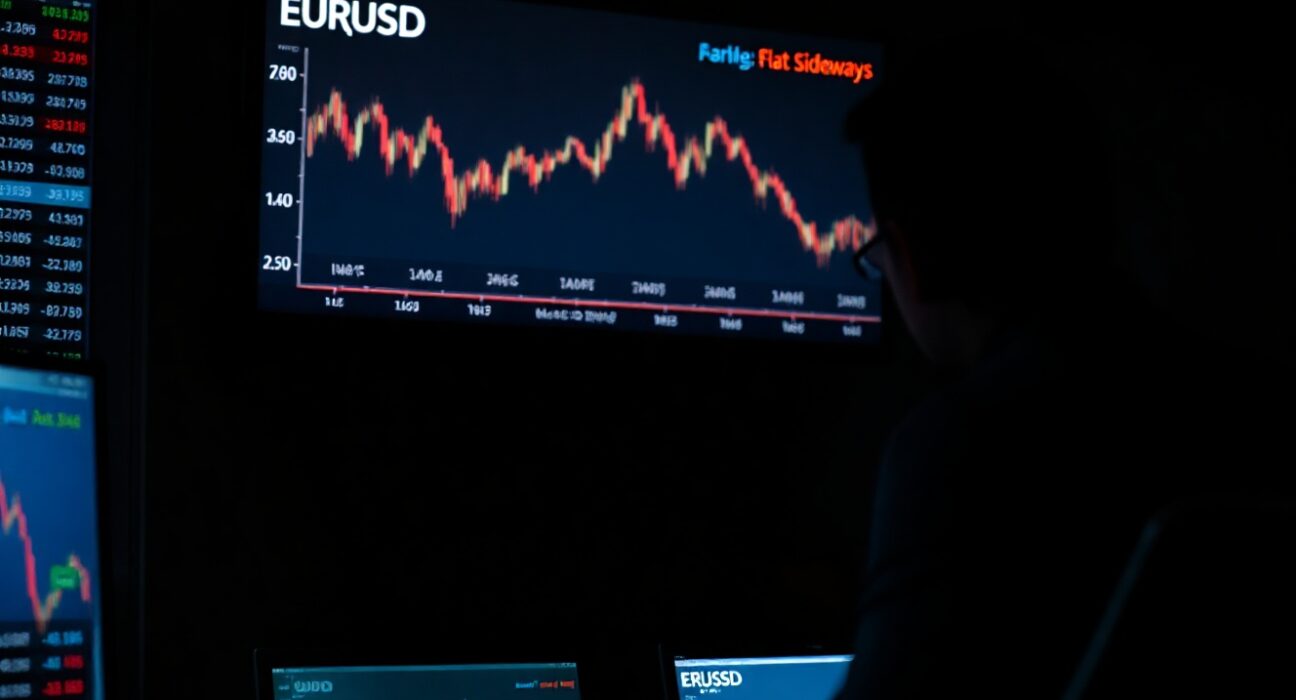
The euro traded in a narrow, subdued range against major peers on Thursday as currency markets adopted a wait-and-see stance ahead of the European Central Bank’s (ECB) monetary policy decision, widely expected to deliver another interest rate hike.
With the decision due later in the session, the single currency showed little directional momentum, reflecting a market that has already priced in a 25-basis-point increase. The focus, traders say, has shifted to the ECB’s forward guidance and its assessment of the inflation and growth outlook.
Market Positioning and Expectations
The ECB is largely expected to raise its key deposit rate to 4.00%, marking its tenth consecutive increase since July 2022. This tightening cycle, the most aggressive in the central bank’s history, has been driven by persistent inflation that, while easing, remains above the ECB’s 2% target.
However, recent economic data from the eurozone has painted a mixed picture. Manufacturing activity remains in contraction territory, while the services sector continues to show resilience. This divergence has left analysts debating whether the ECB will signal a pause or a potential end to the hiking cycle.
“The market is not trading the rate decision itself; it’s trading the narrative that follows,” said a senior currency strategist at a London-based brokerage. “If Lagarde sounds dovish, the euro could weaken. If she maintains a hawkish tone, we could see a short-term bounce, but the broader trend remains uncertain.”
Impact on EUR/USD and Broader Markets
The euro’s muted performance was most visible against the US dollar, with EUR/USD trading in a tight range near the 1.0550 level. The pair has been range-bound for much of the week, with investors reluctant to place large bets ahead of the central bank event.
Bond markets in the eurozone were also relatively calm, with yields on German Bunds edging slightly lower as traders adjusted positions. The cautious tone extended to equity markets, where European indices opened flat.
Why This Matters for Investors
The ECB’s decision carries significant implications for anyone holding euro-denominated assets, including bonds, equities, and real estate. A hawkish surprise—such as signaling further rate increases—could strengthen the euro, making European exports more expensive but potentially lowering import-driven inflation. Conversely, a dovish tone could weaken the currency, providing a tailwind for exporters but complicating the inflation fight.
For retail forex traders and international businesses, the post-decision volatility represents both risk and opportunity. The key takeaway is that the direction of the euro in the coming weeks will likely depend less on today’s rate change and more on the ECB’s confidence in the economic outlook.
Conclusion
The euro’s quiet trading ahead of the ECB decision reflects a market that has fully priced in the expected rate hike and is now laser-focused on future policy signals. While the immediate move may be contained, the ECB’s communication today could set the tone for the euro’s trajectory through the end of the year. Investors should pay close attention to President Christine Lagarde’s press conference for clues on whether this cycle has reached its peak.
FAQs
Q1: Why is the euro trading flat ahead of the ECB decision?
The market has already fully priced in a 25-basis-point rate hike. With no surprise expected on the rate decision itself, traders are waiting for the ECB’s forward guidance and economic projections to determine the next directional move.
Q2: What could cause the euro to move significantly after the decision?
A significant move could occur if the ECB signals either an earlier-than-expected end to rate hikes (dovish, weakening the euro) or a commitment to further tightening (hawkish, strengthening the euro). Any major changes to inflation or growth forecasts would also drive volatility.
Q3: How does the ECB rate decision affect regular consumers?
The ECB’s rate decisions influence borrowing costs across the eurozone, including mortgage rates, car loans, and business credit. Higher rates make borrowing more expensive, which can slow economic growth but also helps reduce inflation. Consumers may see higher savings account rates but also face higher loan repayments.
Disclaimer: The information provided is not trading advice, Bitcoinworld.co.in holds no liability for any investments made based on the information provided on this page. We strongly recommend independent research and/or consultation with a qualified professional before making any investment decisions.
