

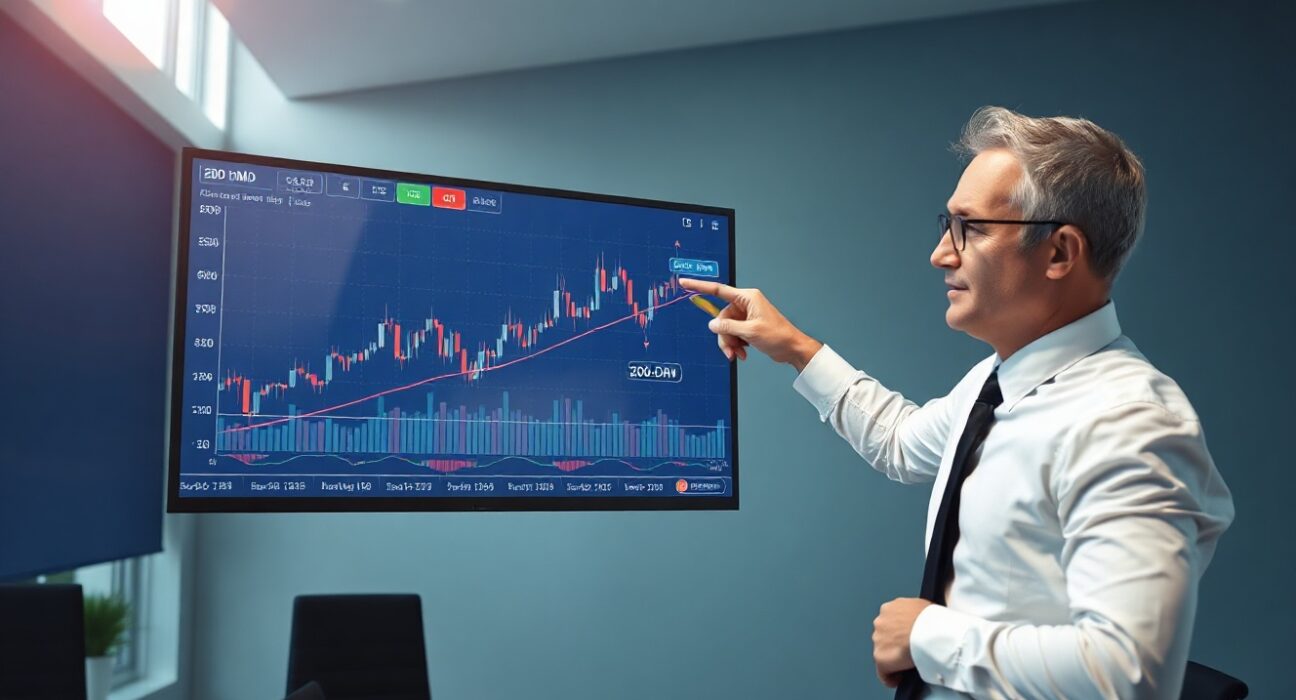
The euro’s recent recovery rally is approaching a critical technical hurdle, with the 200-day moving average (DMA) emerging as a key resistance level, according to analysts at Societe Generale. The assessment comes as the single currency attempts to extend gains after a period of volatility driven by shifting interest rate expectations and broader macroeconomic data.
Technical Resistance at the 200-DMA
The 200-DMA is a widely watched indicator in forex markets, often viewed as a dividing line between a longer-term bullish and bearish trend. Societe Generale’s technical strategists note that the euro’s rebound has brought the pair within striking distance of this moving average, a level that has historically acted as a significant barrier. A decisive break above it could signal a more sustained shift in momentum, while a rejection may confirm underlying weakness.
The analysts highlight that the euro’s recent strength has been supported by a softer U.S. dollar and a reassessment of European Central Bank policy trajectory. However, they caution that the 200-DMA zone is likely to attract selling pressure from traders looking to lock in profits or initiate new short positions.
Context and Market Implications
This technical analysis arrives amid a complex backdrop for the euro. Markets are digesting mixed signals from the Eurozone economy, including persistent inflation concerns and uneven growth data. Meanwhile, the Federal Reserve’s own policy path remains a major driver for the dollar, creating a two-way risk for the EUR/USD pair.
For traders, the 200-DMA test is more than a chart point. It represents a psychological battleground where institutional and retail interest converges. A failed attempt could lead to a retracement toward recent support levels, while a successful breakout would open the door to higher targets, potentially challenging the next resistance zone.
What This Means for Readers
For forex traders and investors, this analysis provides a clear, actionable technical level to monitor. The euro’s ability to hold above or break through the 200-DMA will likely define the short-term trend. For those with broader exposure to European assets, the currency’s direction also influences the relative value of holdings and can impact export competitiveness. The Societe Generale view adds a respected institutional perspective to the ongoing debate about the euro’s fair value.
Conclusion
The euro’s rebound is at a pivotal juncture, with the 200-day moving average serving as the next major test. Societe Generale’s technical outlook underscores the importance of this level in determining the pair’s near-term trajectory. Whether the euro can overcome this resistance will depend on a confluence of technical factors and incoming macroeconomic data, making it a key focus for market participants in the coming sessions.
FAQs
Q1: What is the 200-day moving average and why is it important?
The 200-day moving average is a long-term trend indicator calculated by averaging the closing prices of an asset over the last 200 days. It is widely used by traders to gauge the overall direction of a trend. A price above the 200-DMA is generally considered bullish, while a price below is seen as bearish. It often acts as a strong support or resistance level.
Q2: What does Societe Generale’s analysis suggest for the euro?
Societe Generale suggests that the euro’s current rebound is approaching a critical resistance level at the 200-DMA. The bank’s technical strategists view this as a key hurdle that could determine whether the rally continues or stalls. A break above could signal further gains, while a rejection may lead to a pullback.
Q3: How might this affect forex traders?
For forex traders, the 200-DMA test provides a clear technical level for setting entry and exit points. Traders may watch for a confirmed breakout above the moving average as a bullish signal, or a rejection as a sign to take profits or initiate short positions. It is a high-probability zone for increased volatility and trading activity.
Disclaimer: The information provided is not trading advice, Bitcoinworld.co.in holds no liability for any investments made based on the information provided on this page. We strongly recommend independent research and/or consultation with a qualified professional before making any investment decisions.
