

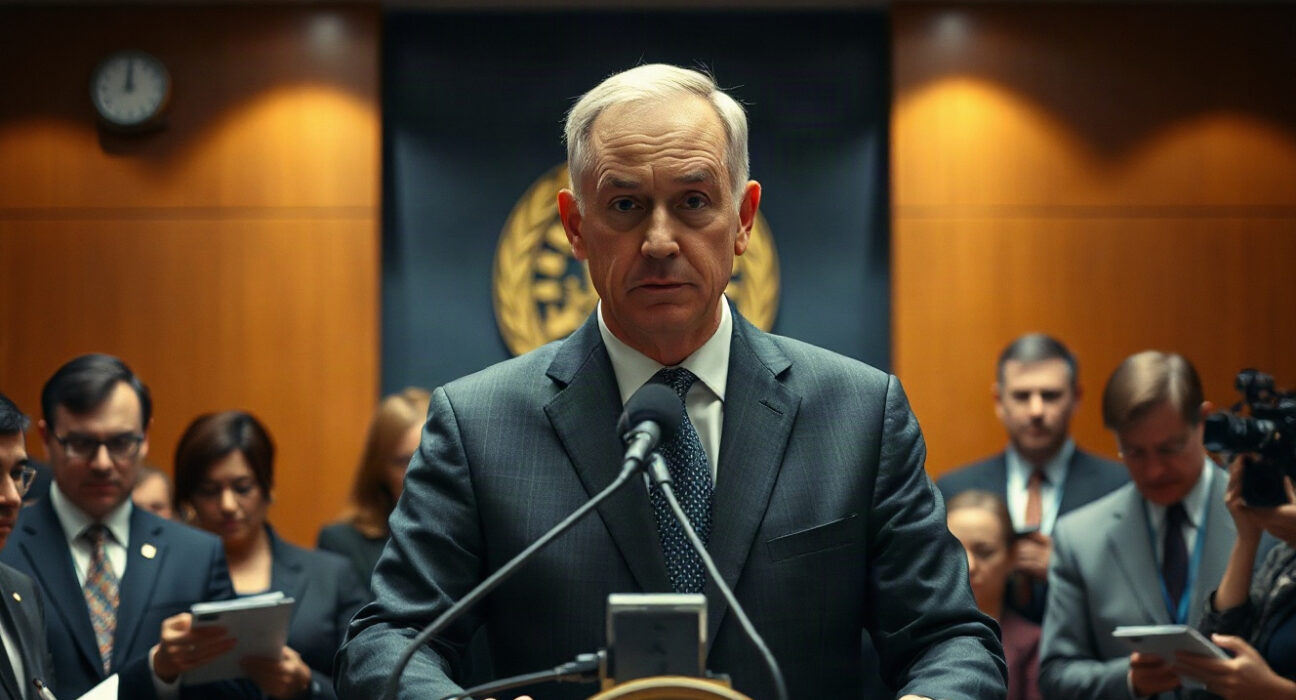
Federal Reserve Chair Kevin Warsh is set to deliver a highly anticipated speech that could signal the direction of U.S. monetary policy, as investors and economists parse his remarks for clues on interest rates, inflation, and economic stability. The address, scheduled for this week, comes at a critical juncture when the central bank is balancing persistent inflation pressures against signs of a cooling labor market.
Why This Speech Matters
Warsh’s first major public address since assuming the Fed’s top role has taken on outsized importance because the central bank’s policy path remains deeply uncertain. With the federal funds rate currently held steady, market participants are looking for any nuance that might hint at the timing of future cuts or hikes. The speech also follows the release of recent economic data showing that inflation, while moderating from its peak, remains above the Fed’s 2% target.
Analysts note that Warsh’s communication style is markedly different from his predecessor, with a more direct and market-sensitive approach. This has led to increased volatility in bond and equity markets as traders adjust to the new leadership’s signaling. As of this week, futures markets are pricing in a roughly 60% chance of a rate cut by September, but that could shift dramatically depending on the tone of Warsh’s remarks.
Market and Economic Context
The speech arrives against a backdrop of mixed economic signals. While the labor market has shown resilience, with unemployment claims remaining low, consumer spending has begun to soften. At the same time, geopolitical tensions and supply chain disruptions continue to pose upside risks to prices. The Fed’s dual mandate—maximum employment and price stability—requires a careful balancing act, and Warsh’s speech is expected to address how the committee weighs these competing factors.
In the broader context, other central banks, including the European Central Bank and the Bank of England, are also navigating similar challenges, but the Fed’s decisions carry outsized weight in global financial markets. A hawkish surprise could strengthen the dollar and put pressure on emerging market currencies, while a dovish tone might boost equities but raise concerns about inflation expectations.
Potential Market Reactions
Traders are preparing for two-way risk. If Warsh emphasizes the need to maintain restrictive policy until inflation is convincingly subdued, yields could rise and stocks could sell off. Conversely, any hint that the Fed is open to easing sooner than previously signaled would likely trigger a rally in rate-sensitive sectors like technology and real estate. However, analysts caution against overinterpreting single speeches, noting that the Fed has repeatedly emphasized a data-dependent approach.
Conclusion
Warsh’s speech is more than a routine appearance; it is a pivotal moment for financial markets and the broader economy. The stakes are high, and the margin for error is thin. As always, the Fed’s communication will be scrutinized for every subtle shift in language, but the ultimate direction of policy will depend on the evolving data. Investors would be wise to prepare for volatility and to focus on the longer-term fundamentals rather than reacting to every headline.
FAQs
Q1: When is Fed Chair Warsh’s speech scheduled?
The speech is scheduled for this week, though the exact date and time have not been publicly confirmed. The Federal Reserve typically announces such events in advance, so market participants should monitor the central bank’s official communications.
Q2: What key signals should investors watch for in the speech?
Investors should focus on any language regarding the timing of rate cuts, the Fed’s assessment of inflation trends, and comments on the labor market. Phrases like “patient” or “vigilant” can carry significant weight in market interpretation.
Q3: How might the speech affect interest rates and the stock market?
Depending on the tone, the speech could lead to immediate repricing in bond and equity markets. A hawkish tone would likely push yields higher and weigh on stocks, while a dovish tone could boost equities and lower yields. However, the effect is often temporary as markets digest the details.
Disclaimer: The information provided is not trading advice, Bitcoinworld.co.in holds no liability for any investments made based on the information provided on this page. We strongly recommend independent research and/or consultation with a qualified professional before making any investment decisions.
