

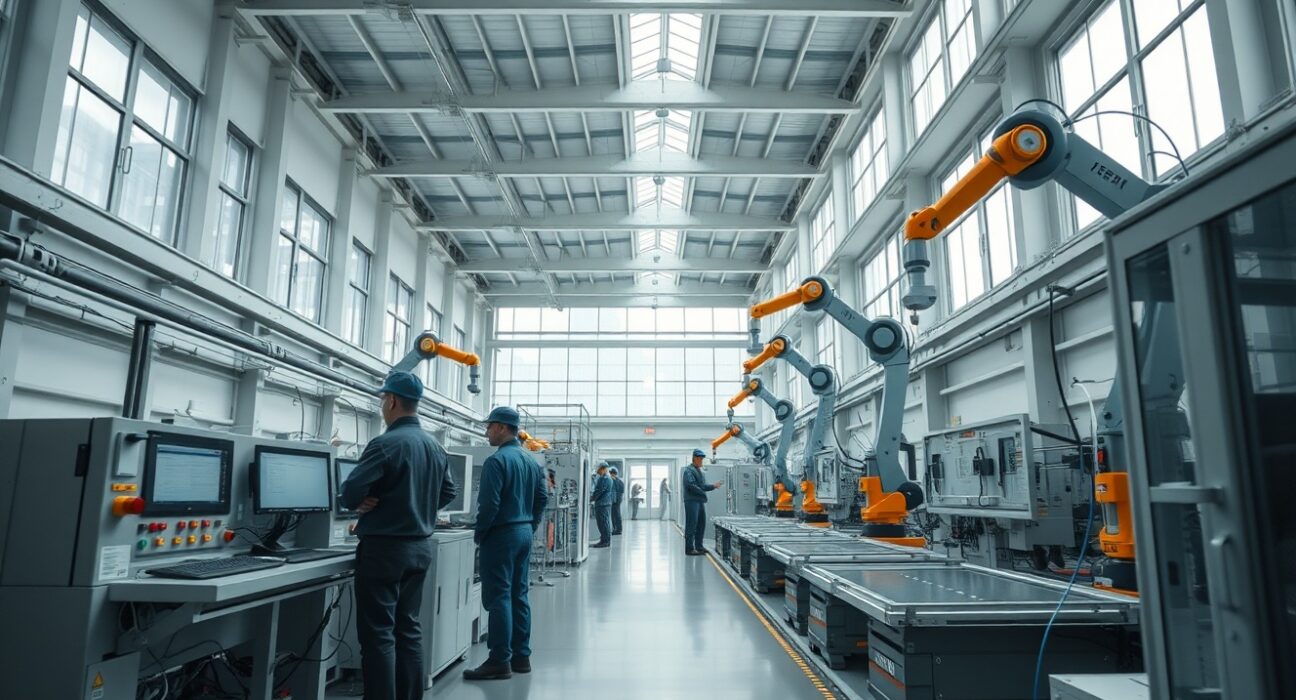
Germany’s manufacturing sector, long the engine of the European economy, is showing early signs of stabilization, according to a recent analysis from Commerzbank. The report, which examines key industrial indicators, suggests that while a full-blown recovery is not yet assured, the worst of the downturn may be behind Europe’s largest economy.
Factory Output and Energy Costs
Commerzbank’s analysis points to a modest uptick in factory orders and industrial production in recent months. This follows a prolonged period of contraction driven by high energy costs, weak global demand, and structural challenges in key industries like automotive and chemicals. The bank notes that the decline in natural gas prices from the peaks of 2022 has provided some relief, particularly for energy-intensive manufacturers.
However, the recovery remains fragile. The report emphasizes that energy costs in Germany are still significantly higher than pre-crisis levels and remain above those of many global competitors, including the United States and China. This persistent cost disadvantage continues to weigh on investment decisions and production planning for German firms.
Export Dynamics and Global Demand
A crucial factor for Germany’s factory recovery is the health of its export markets. Commerzbank’s economists highlight that demand from China, a key trading partner, has been uneven. While some sectors have seen a rebound, others continue to struggle with overcapacity and weak consumer spending in the Asian giant.
Furthermore, the outlook for the eurozone remains subdued, with high interest rates curbing investment and consumption. The report suggests that a synchronized global recovery, particularly in the industrial sector, is necessary to sustain Germany’s export-led manufacturing model. Without it, any domestic improvements may be short-lived.
Implications for Investors and Policymakers
The Commerzbank analysis carries significant implications. For investors, it suggests a period of cautious optimism rather than a decisive bullish signal for German industrial stocks. For policymakers in Berlin and Brussels, the report underscores the need for structural reforms to lower energy costs, reduce bureaucracy, and accelerate the green transition to maintain Germany’s competitive edge.
The bank’s view aligns with a broader consensus among economists that Germany is navigating a challenging transition. The country is moving away from its traditional reliance on cheap Russian gas and adapting to new geopolitical and technological realities.
Conclusion
Commerzbank’s assessment offers a balanced view of Germany’s factory recovery prospects. While there are genuine green shoots in industrial activity, significant headwinds remain. The path forward is not one of rapid resurgence, but rather a slow, cautious climb that depends heavily on external demand and domestic policy decisions. For now, the recovery is a prospect, not a certainty.
FAQs
Q1: What is the main finding of Commerzbank’s analysis on German factories?
Commerzbank finds early signs of stabilization in Germany’s manufacturing sector, but cautions that a full recovery is not guaranteed due to persistent high energy costs and weak global demand.
Q2: Why are energy costs still a problem for German manufacturers?
Despite a drop from 2022 peaks, German energy prices remain significantly higher than pre-crisis levels and are above those in the US and China, hurting competitiveness.
Q3: What is needed for a sustained recovery in German industry?
A sustained recovery likely requires a synchronized global industrial upturn, particularly in key export markets like China and the eurozone, along with domestic policy reforms to lower costs.
Disclaimer: The information provided is not trading advice, Bitcoinworld.co.in holds no liability for any investments made based on the information provided on this page. We strongly recommend independent research and/or consultation with a qualified professional before making any investment decisions.
