

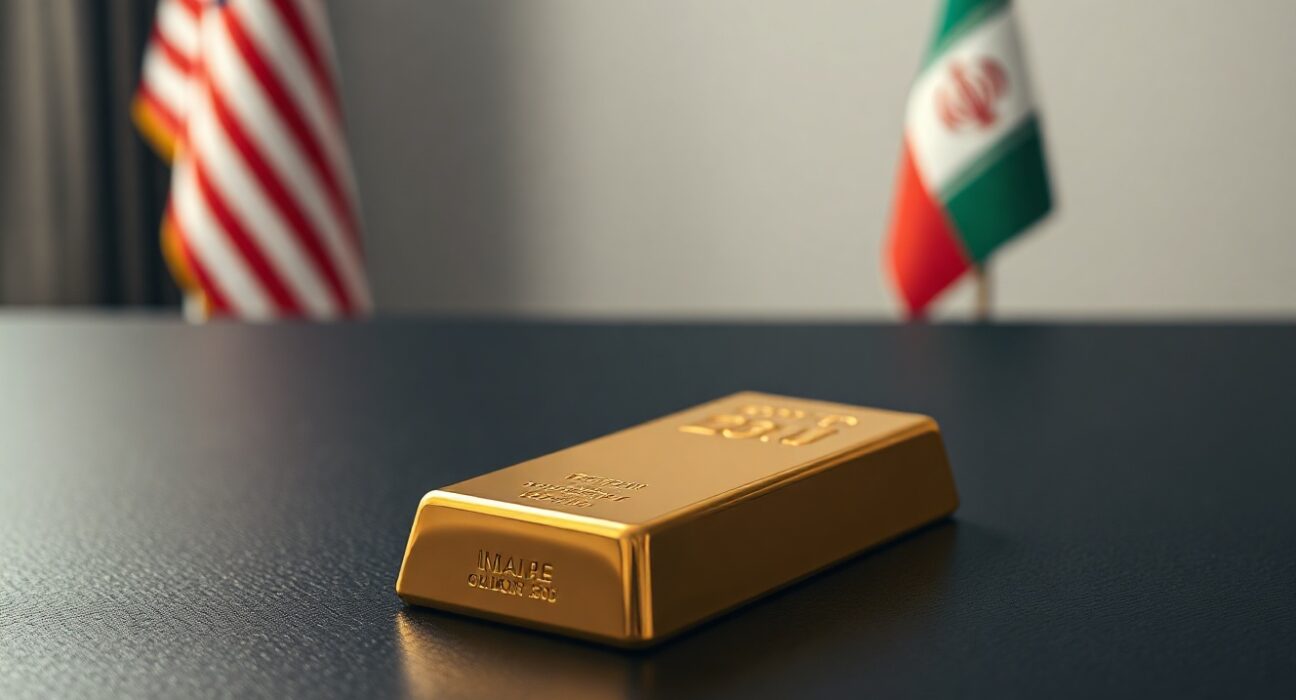
Gold prices traded within a familiar range on Tuesday as President Donald Trump confirmed that nuclear negotiations between the United States and Iran are continuing at a rapid pace. The precious metal remained range-bound near $2,650 per ounce, reflecting a market that is weighing the potential for a diplomatic breakthrough against lingering geopolitical uncertainty.
Market Reaction to Diplomatic Signals
The latest comments from the White House suggest that both sides are engaged in intensive discussions, though no specific timeline for a final agreement has been provided. Gold, traditionally a safe-haven asset, has been under pressure from a stronger U.S. dollar and rising Treasury yields, but the ongoing talks have prevented a significant sell-off. Analysts note that the market is pricing in a scenario where a deal could reduce risk premiums, but the lack of concrete details keeps a floor under prices.
Investors are closely watching the negotiations, which resumed after a brief pause last month. The potential lifting of sanctions on Iranian oil exports could increase global supply, putting downward pressure on crude prices and reducing inflationary expectations, which would typically be negative for gold. However, any breakdown in talks could quickly reverse the current calm, pushing gold back toward recent highs.
Geopolitical Context and Broader Implications
The US-Iran nuclear file is one of several geopolitical risk factors that have supported gold prices in 2025. The conflict in Ukraine, trade tensions with China, and uncertainty surrounding the Federal Reserve’s interest rate path have all contributed to a volatile environment for risk assets. Gold has benefited from its status as a portfolio hedge, with central banks around the world continuing to add to their reserves.
Trump’s characterization of the talks as rapid suggests a sense of urgency, but veteran diplomats caution that past negotiations have stalled over verification mechanisms and the scope of sanctions relief. The outcome of these discussions could have significant implications not only for gold but for broader commodity markets and the geopolitical landscape of the Middle East.
What This Means for Gold Investors
For traders and long-term holders, the current range-bound movement in gold represents a waiting game. A successful deal that de-escalates tensions with Iran could lead to a short-term pullback in gold prices as risk appetite improves. Conversely, a failure to reach an agreement could reignite safe-haven buying, pushing gold above $2,700. The market is currently pricing in a roughly 60% probability of a partial deal within the next quarter, according to options market data.
Beyond geopolitics, gold’s next major catalyst will be the Federal Reserve’s December meeting, where policymakers are expected to provide further clarity on the pace of rate cuts. Lower interest rates reduce the opportunity cost of holding non-yielding assets like gold, and a dovish Fed could provide additional support even if geopolitical tensions ease.
Conclusion
Gold remains in a holding pattern as the market digests the latest signals from Washington and Tehran. While the rapid pace of talks offers hope for a diplomatic resolution, the lack of a finalized agreement keeps the precious metal’s risk premium intact. Investors should monitor both the negotiation outcomes and macroeconomic data for the next directional move.
FAQs
Q1: Why does the US-Iran nuclear talks affect gold prices?
Gold is a safe-haven asset that tends to rise during geopolitical uncertainty. Progress in talks reduces risk premiums, potentially lowering gold prices, while a breakdown increases demand for safe-haven assets.
Q2: What is the current price range for gold?
Gold has been trading in a range of approximately $2,600 to $2,700 per ounce over the past month, with the current price near $2,650.
Q3: What other factors are influencing gold prices right now?
Key factors include the Federal Reserve’s interest rate policy, the strength of the U.S. dollar, inflation data, and other geopolitical risks such as the Ukraine conflict and US-China trade tensions.
Disclaimer: The information provided is not trading advice, Bitcoinworld.co.in holds no liability for any investments made based on the information provided on this page. We strongly recommend independent research and/or consultation with a qualified professional before making any investment decisions.
