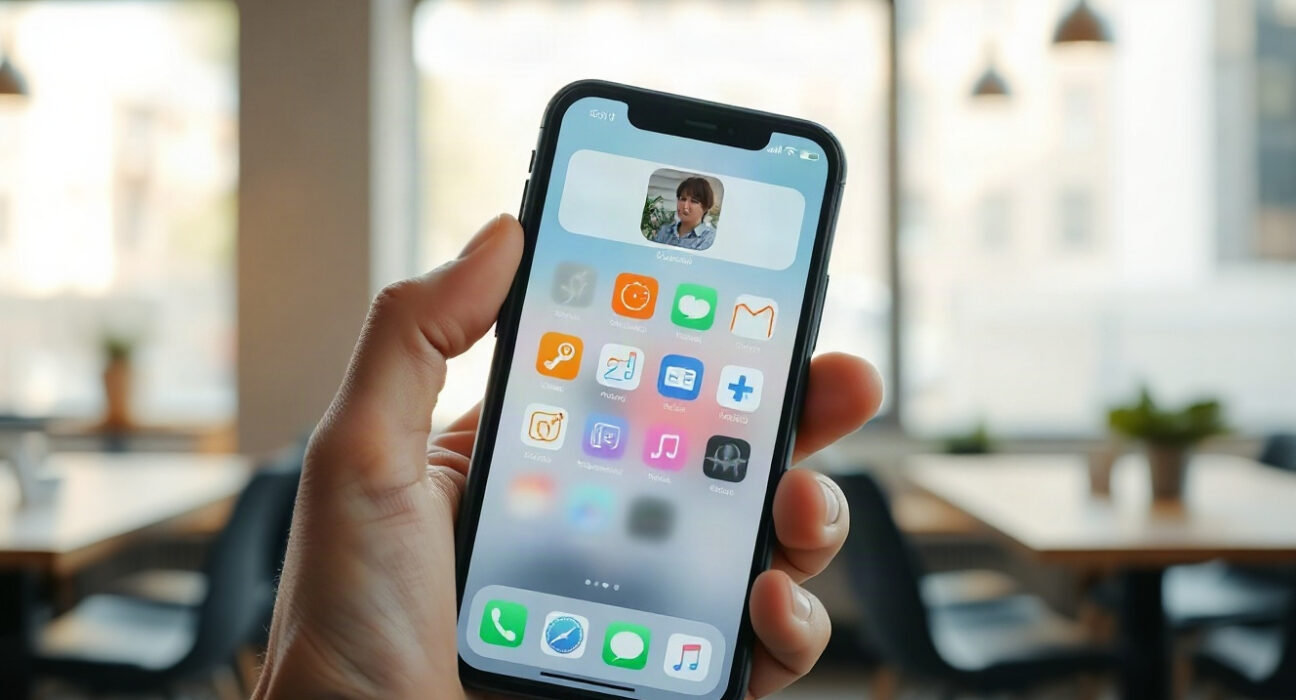
Google’s latest update to its Gemini app adds new voice features, but the company’s habit of giving every feature its own brand name may be undermining its own message. In a Wednesday announcement, Google touted that users “shouldn’t have to guess whether a task requires Spark, a Daily Brief, or a quick inbox search,” yet the app now presents these as distinct, separately branded modes, complicating what could be a straightforward consumer experience.
Why Gemini’s branding creates confusion
In the Gemini app, users can switch between chat, Spark, and Daily Brief — three separate features, each with its own icon and place in the navigation. This adds unnecessary complexity, especially for mainstream users who may not understand the difference between these modes. Daily Brief, for instance, is an AI-enabled agenda that pulls data from Gmail and Calendar to offer “proactive, personalized updates.” But in practice, it often fails to distinguish between urgent, actionable information and unsolicited reminders — sometimes prompting users to follow up on previous Google searches, which can feel more creepy than helpful.
Spark, on the other hand, is an AI agent that can take actions on behalf of the user. It’s one of the more useful aspects of Gemini, but packaging it as a standalone brand adds unnecessary mental overhead. As one industry observer noted, users shouldn’t have to think about which “side” of the AI app they need to be in for a given task; they should simply type a request and let the AI figure out how to handle it.
The broader AI industry faces the same problem
This issue isn’t unique to Google. The AI industry at large tends to expose its internal architecture directly to consumers. Anthropic’s Claude app, for example, offers “Chat” and “Cowork” modes, which until recently didn’t even share memory. ChatGPT similarly requires users to swap between “Chat” and “Work.” These are essentially interaction modes, but they’re branded as distinct products, making engagement feel unnatural.
This engineering-minded design may be why Apple’s more understated approach to Siri could ultimately win over consumers. Apple integrates AI into existing apps like Spotlight Search, Photos, and Camera without requiring users to learn new interfaces. The same principle might explain the rise of text-based AI services like Poke, Ollie, Lindy, and others, where users simply text a chatbot and get results — no app switching, no mode selection.
Why this matters for consumers
The core issue is that AI apps are being designed for engineers, not for everyday users. As a16z investment partner Justine Moore recently wrote, “People don’t want to open an app every time they need help – they want a contact they can text like a friend.” The gold standard, she notes, is iMessage. For AI to reach mass adoption, it must simplify, not complicate, the user experience.
Conclusion
Google’s Gemini app, with its Spark and Daily Brief features, highlights a growing trend in AI: the tendency to over-brand and overcomplicate interfaces. While these features may be powerful, their presentation risks alienating the very users they’re meant to help. As the AI industry matures, the winners will likely be those who hide complexity behind simplicity — just as Apple has done with Siri.
FAQs
Q1: What is Google’s Gemini app?
Gemini is Google’s AI assistant app that offers various features, including chat, voice commands, and now Spark and Daily Brief modes, which are designed to help users with tasks and proactive updates.
Q2: Why is the branding of Gemini features considered a problem?
Because it forces users to understand and navigate between separate brands like Spark and Daily Brief, which adds unnecessary complexity and may confuse mainstream users who prefer a single, unified interface.
Q3: How does Apple’s approach differ from Google’s?
Apple integrates AI into existing apps and features, such as Spotlight Search and Siri, without requiring users to learn new interfaces or modes, making the experience more seamless and user-friendly.
Disclaimer: The information provided is not trading advice, Bitcoinworld.co.in holds no liability for any investments made based on the information provided on this page. We strongly recommend independent research and/or consultation with a qualified professional before making any investment decisions.