

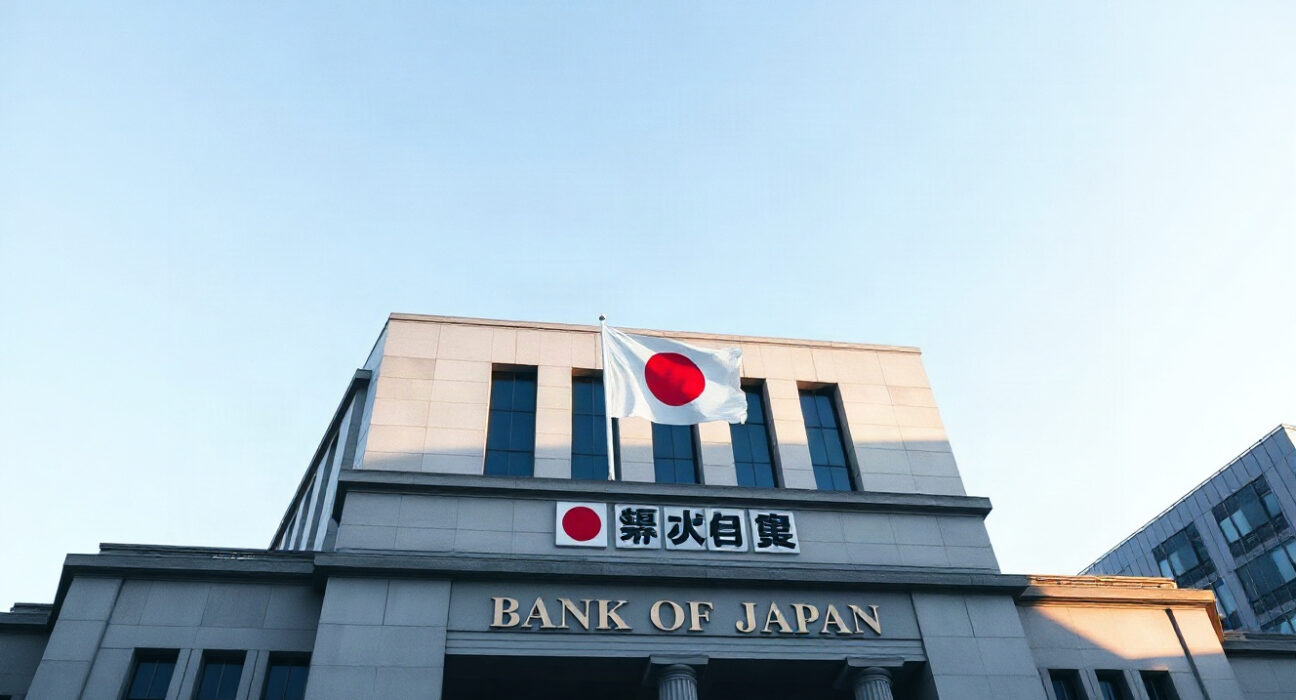
The Bank of Japan’s Deputy Governor Ryozo Himino echoed Governor Kazuo Ueda’s hawkish remarks on interest rates, signaling that further rate hikes are likely if the economy and prices align with forecasts, while the Bank of Korea indicated a slower pace of future increases, highlighting a divergence in monetary policy approaches across Asia.
Himino’s Hawkish Alignment with Ueda
On [current date], Deputy Governor Himino stated that the central bank will continue to adjust monetary policy if underlying inflation trends toward the 2% target, aligning with Governor Ueda’s recent comments that emphasized the possibility of additional rate hikes. This unified stance suggests a coordinated message from the BOJ leadership, reinforcing market expectations of a gradual tightening cycle.
Himino noted that while the economy is recovering moderately, wage growth and inflation must be monitored closely. He stressed that the BOJ’s decisions will remain data-dependent, but the hawkish tone marks a clear shift from the prolonged ultra-loose policy that characterized the past decade.
Bank of Korea’s Cautious Approach
In contrast, the Bank of Korea signaled that it will continue to raise rates but at a slower pace, citing concerns about economic growth and household debt. The BOK’s governor emphasized the need to balance inflation control with financial stability, suggesting that the pace of future hikes will be more measured.
This divergence between the BOJ and BOK reflects differing economic conditions. Japan is emerging from decades of deflation, while South Korea faces a more mature recovery with rising household debt. As a result, the BOK is treading carefully to avoid triggering a sharp slowdown.
Implications for Asian Markets
These contrasting signals could influence currency movements and capital flows in the region. A hawkish BOJ may support the yen, while a cautious BOK could weigh on the won. Investors will be watching for further clues from both central banks in upcoming meetings.
Conclusion
As the BOJ under Ueda and Himino moves toward normalization, and the BOK opts for a more gradual path, Asian monetary policy is entering a phase of divergence. This will require careful navigation by policymakers and market participants alike, with data releases and central bank communications remaining key catalysts.
FAQs
Q1: What did Himino say about interest rates?
Deputy Governor Himino echoed Governor Ueda’s hawkish stance, indicating that further rate hikes are possible if inflation trends toward the 2% target, emphasizing a data-dependent approach.
Q2: How does the Bank of Korea’s approach differ?
The BOK signaled it will continue raising rates but at a slower pace, prioritizing economic growth and financial stability over aggressive tightening.
Q3: Why do these policy differences matter?
The divergence could affect currency valuations, capital flows, and regional economic stability, making central bank communications crucial for market expectations.
Disclaimer: The information provided is not trading advice, Bitcoinworld.co.in holds no liability for any investments made based on the information provided on this page. We strongly recommend independent research and/or consultation with a qualified professional before making any investment decisions.
