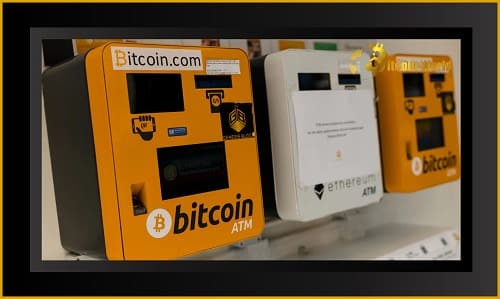
Hold on to your hats, crypto enthusiasts! Just when you thought you’d seen it all in the wild world of digital currencies, Manhattan District Attorney Alvin Bragg Jr. drops a bombshell. Robert Taylor, a 35-year-old entrepreneur, has been indicted for allegedly orchestrating a massive, unregistered Bitcoin ATM operation right under the noses of regulators in New York City and beyond. This isn’t your typical crypto story – it’s a tale of clandestine kiosks, millions in cash, and accusations of catering to a clientele seeking anonymity for less-than-legal activities.
What Exactly Did Robert Taylor Allegedly Do?
According to the official announcement, Taylor’s operation was far from small-time. He reportedly deployed Bitcoin ATMs across at least 46 locations in New York City, strategically choosing spots like laundromats for his kiosks. His reach extended beyond the Big Apple, with ATMs also popping up in New Jersey and even sunny Miami.
But here’s the kicker: between 2017 and 2018, Taylor allegedly converted a staggering $5.6 million in customer cash into Bitcoin. And for this ‘service,’ he wasn’t exactly shy about fees, reportedly charging between 10% and 20% per transaction. That’s a hefty premium for anonymity!
The charges against Taylor are serious, painting a picture of deliberate evasion and financial misconduct. Let’s break down the accusations:
- Operating an Unregistered Money Transmission Business (Multiple Counts): This is the core of the case. Authorities claim Taylor was running a money transmitting business without the necessary licenses and registrations, essentially operating outside the legal financial framework.
- Criminal Tax Fraud in the Third Degree: Tax evasion is a classic financial crime. Taylor is accused of underreporting his profits and dodging his tax obligations.
- Offering a Fraudulent Document for Filing in the First Degree: This charge suggests Taylor may have submitted false documents to authorities, potentially to conceal his illegal activities.
District Attorney Bragg didn’t mince words when describing Taylor’s alleged motives:
“Robert Taylor allegedly went to great lengths to keep his bitcoin kiosk business as secret as possible in order to attract a clientele that would pay top dollar for anonymity.”
This statement hints at the darker side of the story – the implication that Taylor’s business model was designed to attract individuals involved in illicit activities who needed to move money discreetly.
The Allure of Anonymity and the Dark Side of Crypto ATMs
Why Bitcoin ATMs? Well, they offer a veneer of anonymity that traditional crypto exchanges often lack. While regulated exchanges require KYC (Know Your Customer) verification, some Bitcoin ATMs, especially unregistered ones, might have lax or non-existent identification procedures. This makes them attractive to individuals seeking to bypass financial scrutiny, for whatever reason.
However, as DA Bragg pointed out:
“As the use of cryptocurrencies like bitcoin proliferate, they continue to attract a wide range of bad actors who are hoping to evade law enforcement.”
This case underscores a critical concern in the crypto space: the potential for misuse by those seeking to engage in illegal activities. While cryptocurrency itself isn’t inherently criminal, its decentralized and, at times, anonymous nature can be exploited.
The Takedown: Cash, ATMs, and Unreported Profits
The authorities didn’t just rely on accusations. Search warrants were executed, leading to some significant discoveries:
- $250,000 in cash recovered from Taylor’s apartment.
- 20 Bitcoin ATMs seized, containing $44,000 in cash.
Forensic investigations further revealed the scale of Taylor’s operation. Over $5.6 million in cash flowed through his ATMs between September 2017 and November 2018, generating over $590,000 in fees. A substantial portion, around $160,000, was allegedly funneled into Taylor’s personal bank accounts.
But here’s where the tax fraud allegations come into play. Taylor reportedly declared a meager $3,000 profit in his 2017 tax filings and even claimed a $140,000 loss in 2018. These figures seem wildly inconsistent with the millions flowing through his ATM network.
Regulatory Red Flags: No Licenses, No Oversight
Adding fuel to the fire, authorities confirmed that Taylor’s Bitcoin ATM business operated without the necessary regulatory approvals. He lacked both a money transmission license and a virtual currency company license (BitLicense) from the New York State Department of Financial Services (DFS). Furthermore, he wasn’t registered with the Financial Crimes Enforcement Network (FinCEN), the U.S. Department of Treasury agency tasked with combating financial crime.
This lack of licensing and registration is a major red flag, highlighting the importance of regulatory compliance in the crypto industry. Legitimate crypto businesses operate within a framework of rules designed to prevent money laundering, terrorist financing, and other illicit activities.
What Does This Mean for Crypto ATMs and the Future?
The Robert Taylor case is a stark reminder of the risks associated with unregulated crypto services, particularly Bitcoin ATMs. While not all Bitcoin ATMs are illegal, this incident underscores the potential for these machines to be exploited for illicit purposes if proper regulations and oversight are lacking.
Key Takeaways for Crypto Users and Traders:
- Due Diligence is Crucial: Be cautious when using Bitcoin ATMs, especially those that appear to operate outside of established financial institutions. Look for signs of regulatory compliance.
- Transparency Matters: Legitimate crypto businesses prioritize transparency and regulatory adherence. Lack of transparency can be a warning sign.
- Regulations are Evolving: The crypto regulatory landscape is still developing. Cases like this may prompt stricter regulations and enforcement to curb illicit activities.
- Consider Reputable Exchanges: For buying and selling crypto, using regulated and reputable crypto exchanges generally offers a safer and more compliant route.
The Taylor case is ongoing, and the legal proceedings will unfold. However, it serves as a critical lesson for the crypto industry and its users. As cryptocurrency adoption grows, so too does the need for robust regulations and vigilance to prevent its misuse and ensure a safer, more trustworthy crypto ecosystem.
Related Posts – Ferrari joins the NFT universe through a collaboration with a Swiss…
Disclaimer: The information provided is not trading advice, Bitcoinworld.co.in holds no liability for any investments made based on the information provided on this page. We strongly recommend independent research and/or consultation with a qualified professional before making any investment decisions.