

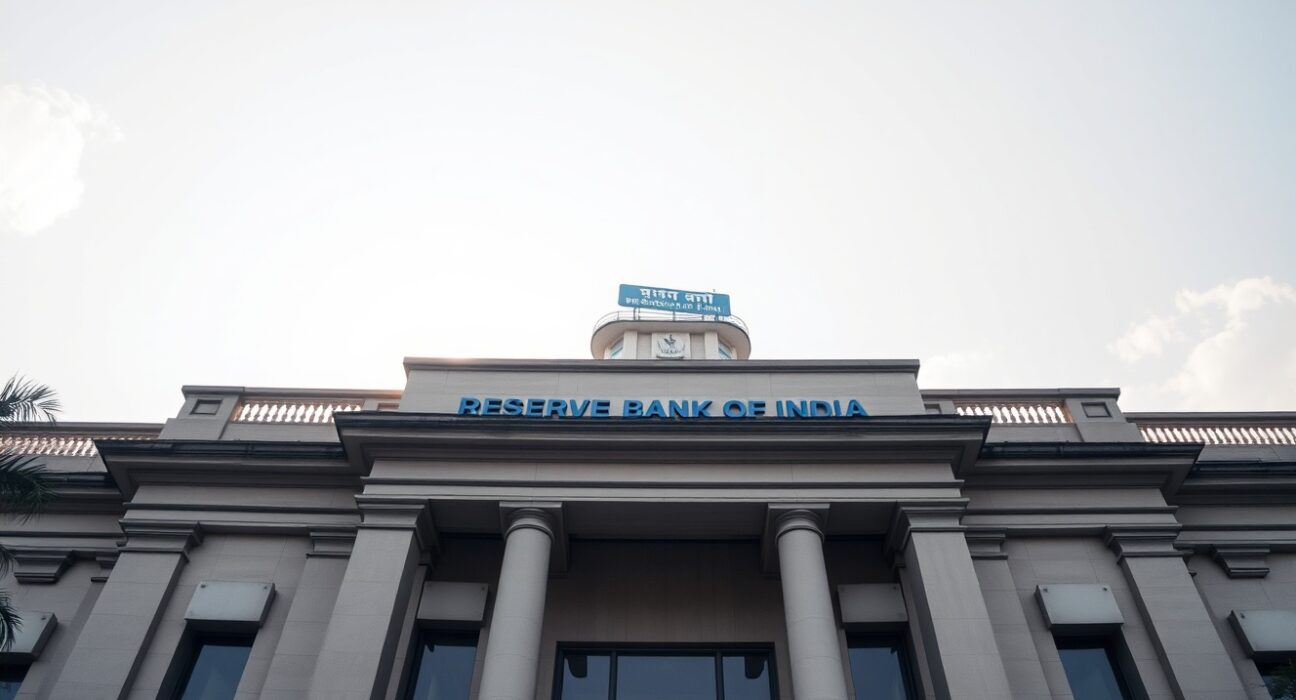
India’s foreign exchange reserves increased to $672.59 billion for the week ending June 15, up from $671.63 billion in the previous week, according to data released by the Reserve Bank of India (RBI). The modest gain of approximately $0.96 billion reflects continued stability in capital flows and the central bank’s ongoing market operations.
Key Drivers Behind the Reserve Increase
The latest data shows that foreign currency assets (FCAs), the largest component of the reserves, rose by $1.02 billion to $585.43 billion. FCAs are expressed in dollar terms and include the effect of appreciation or depreciation of non-US currencies like the euro, pound, and yen held in the reserves.
Gold reserves, another major component, remained largely steady at $59.63 billion, reflecting stable international gold prices during the period. The RBI’s special drawing rights (SDRs) with the International Monetary Fund also held steady at $18.14 billion.
Context and Implications for the Economy
India’s foreign exchange reserves have remained above the $670 billion mark for several consecutive weeks, providing a robust buffer against external shocks. A healthy reserve level helps the RBI manage volatility in the foreign exchange market, particularly the rupee-dollar exchange rate, and supports investor confidence.
The slight uptick in reserves comes amid a period of relative calm in global financial markets, with the US dollar index showing mixed trends and foreign portfolio investors maintaining a steady interest in Indian equities and debt. The RBI typically intervenes in the forex market to curb excessive volatility, buying dollars when the rupee appreciates sharply and selling when it depreciates.
What This Means for Businesses and Investors
For importers, a stable reserve position reduces the risk of sudden currency depreciation, making it easier to plan for costs. For exporters, it signals that the RBI has the capacity to prevent excessive rupee appreciation, which could hurt export competitiveness. For the broader economy, adequate reserves act as a first line of defense against global financial turbulence, such as sudden capital outflows or commodity price shocks.
Conclusion
The marginal increase in India’s forex reserves to $672.59 billion underscores the country’s strong external position. While the week-on-week change is small, the sustained high level of reserves reflects prudent central bank management and a favorable balance of payments situation. Market participants will continue to monitor weekly RBI data for signs of any shifts in reserve composition or size, which could signal changes in monetary policy or forex intervention strategy.
FAQs
Q1: What are foreign exchange reserves?
Foreign exchange reserves are assets held by a central bank in foreign currencies, gold, and other reserve assets. They are used to back liabilities and influence monetary policy, particularly to stabilize the national currency’s value.
Q2: Why did India’s forex reserves increase this week?
The increase was primarily driven by a rise in foreign currency assets, likely due to RBI’s purchases of US dollars in the spot market to manage rupee volatility, as well as valuation gains from other currencies held in the reserves.
Q3: How does a rise in forex reserves affect the Indian rupee?
A rise in reserves generally supports the rupee by signaling that the RBI has ample firepower to intervene if needed. It can also help absorb the impact of capital outflows, reducing the risk of sharp depreciation.
Disclaimer: The information provided is not trading advice, Bitcoinworld.co.in holds no liability for any investments made based on the information provided on this page. We strongly recommend independent research and/or consultation with a qualified professional before making any investment decisions.
