

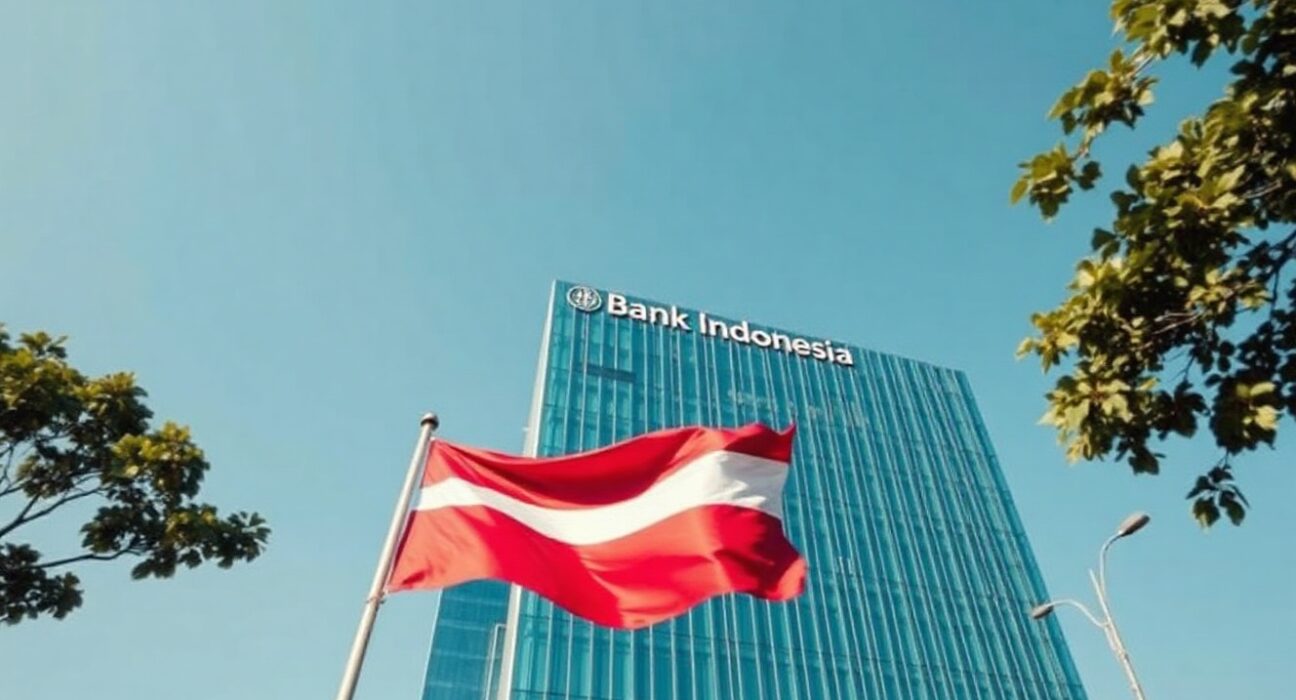
The Indonesian rupiah is drawing renewed market attention as the formal process to select the next Bank Indonesia (BI) governor gets underway, a transition that could shape the country’s monetary policy direction for the next five years. With the current governor’s term ending in May 2023, the race to lead the central bank comes at a critical time for the currency, which has faced persistent depreciation pressures amid global monetary tightening and capital outflows from emerging markets.
What the Leadership Transition Means for the Rupiah
The BI governor appointment process, led by the president and subject to parliamentary approval, is being closely watched by investors because the new governor will inherit a complex set of challenges. As of mid-May, the rupiah has traded around 14,800 per US dollar, reflecting a year-to-date depreciation of roughly 4%. This pressure stems largely from the US Federal Reserve’s aggressive interest rate hikes, which have strengthened the dollar and prompted foreign investors to pull capital from Indonesian bonds and equities.
The outgoing governor, Perry Warjiyo, has been credited with maintaining stability through a mix of rate hikes and market intervention, but his successor will need to navigate an environment of elevated global inflation and slowing domestic growth. The new leadership will also be tasked with continuing BI’s dual mandate of price stability and supporting economic growth, a balance that becomes increasingly delicate as global financial conditions tighten.
Key Candidates and Market Expectations
Several names have emerged as potential successors, including current BI Deputy Governor Dody Budi Waluyo, who is considered a front-runner due to his extensive experience in monetary policy. Other candidates include senior finance ministry officials and academics with close ties to the government. The market is particularly focused on whether the next governor will prioritize currency stability or lean toward growth-supportive policies, as this choice could significantly influence the rupiah’s trajectory.
Analysts note that the selection process is inherently political, with the president’s nominee requiring approval from the House of Representatives. This adds a layer of uncertainty, as the final choice may reflect broader economic policy preferences rather than purely technical qualifications. However, the market generally expects continuity in BI’s policy framework, given the central bank’s credibility built over recent years.
Why This Matters for Investors
For investors, the leadership transition is not merely a bureaucratic event; it has direct implications for the rupiah’s stability and the attractiveness of Indonesian assets. A governor perceived as less hawkish on inflation could trigger a selloff in the currency, while a continuity candidate might reassure markets. The rupiah’s performance also affects the country’s import costs, corporate earnings, and sovereign debt servicing, making the appointment a key variable for both domestic and international stakeholders.
Moreover, the timing coincides with broader global economic uncertainty, including the risk of a US recession and ongoing geopolitical tensions. The new BI governor will need to respond to external shocks while maintaining domestic financial stability, a task that requires both technical expertise and political acumen.
Conclusion
As the race to lead Bank Indonesia begins, the rupiah’s near-term outlook remains tied to global factors, but the leadership choice will set the tone for monetary policy in the years ahead. While the market awaits the president’s nomination, the central bank’s commitment to stability and clear communication will be crucial in anchoring expectations. The decision, expected in the coming months, will be a defining moment for Indonesia’s economic resilience in a volatile global environment.
FAQs
Q1: When will the new Bank Indonesia governor be appointed?
The current governor’s term ends in May 2023, and the appointment process is expected to conclude before that date. The president nominates a candidate, who must be approved by the House of Representatives.
Q2: How does the BI governor influence the rupiah?
The governor leads monetary policy decisions, including interest rates and market interventions, which directly affect the rupiah’s value. A governor perceived as committed to stability can boost confidence, while uncertainty can weaken the currency.
Q3: What are the main challenges facing the next BI governor?
The next governor will face global monetary tightening, capital outflows, and the need to balance inflation control with economic growth support. Managing these challenges while maintaining credibility will be key to rupiah stability.
Disclaimer: The information provided is not trading advice, Bitcoinworld.co.in holds no liability for any investments made based on the information provided on this page. We strongly recommend independent research and/or consultation with a qualified professional before making any investment decisions.
