

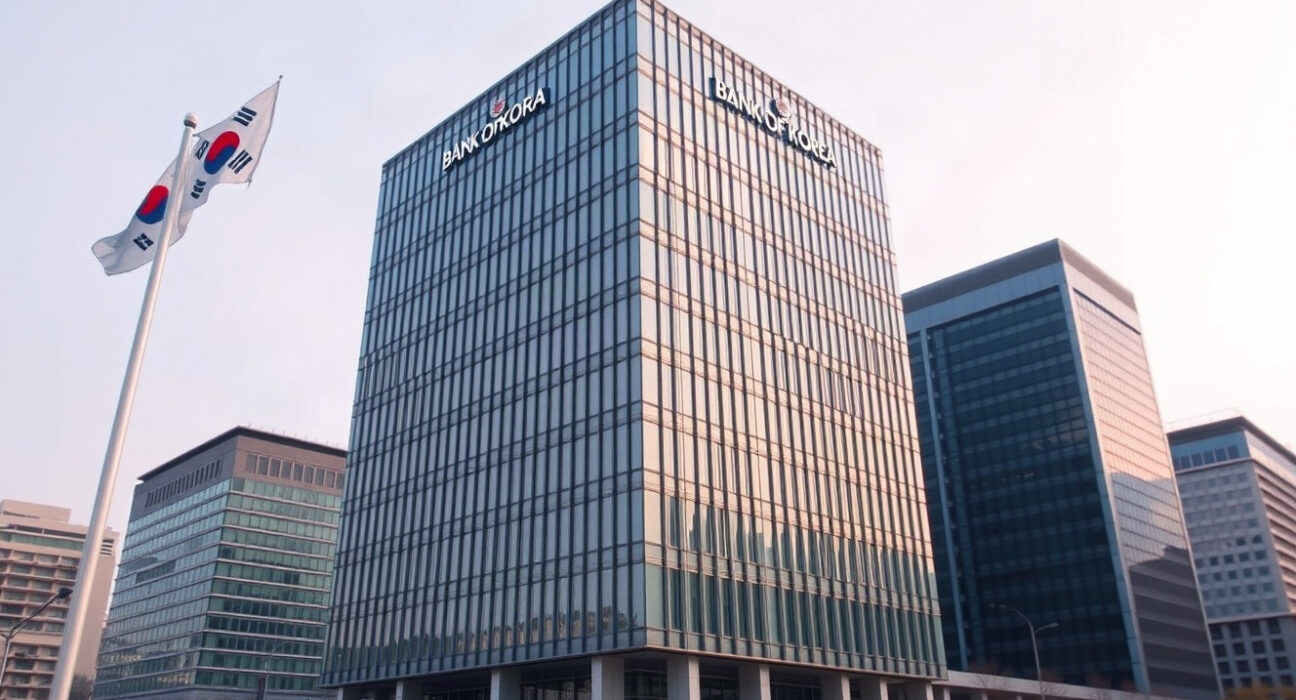
The Bank of Korea raised its benchmark policy rate by 25 basis points to 3.00% at its November monetary policy meeting, marking the first rate increase in 18 months and signaling a decisive shift toward tighter monetary policy.
Why the Bank of Korea Raised Rates
The decision, announced on November 30, 2025, was driven by persistent inflation pressures and the need to stabilize the Korean won, which has weakened significantly against the U.S. dollar over the past year. The BOK’s move brings the base rate back to its highest level since early 2023.
Governor Rhee Chang-yong cited inflation expectations that remain above the bank’s 2% target, alongside robust household credit growth and a rebound in property prices in major urban areas. The rate hike is intended to preemptively anchor inflation expectations and reduce the risk of financial imbalances.
The decision was not unanimous, with one board member dissenting in favor of holding rates steady. The BOK’s statement emphasized that the path of future policy will depend on inflation, growth, and financial stability data.
Market Reaction and Economic Implications
Following the announcement, the Korean won strengthened by 0.4% against the dollar, while the benchmark KOSPI index slipped 0.2% as investors weighed the impact of higher borrowing costs on corporate earnings. Bond yields rose modestly, with the three-year government bond yield climbing 5 basis points to 2.85%.
The rate hike is expected to increase borrowing costs for households and businesses, potentially cooling consumer spending and investment. However, analysts note that the move could help attract foreign capital and ease depreciation pressure on the won, which has fallen more than 8% against the dollar this year.
Impact on Households and Businesses
For households, the increase means higher monthly payments on variable-rate mortgages and other loans. The average household debt-to-income ratio in South Korea remains one of the highest among advanced economies, making the housing market particularly sensitive to interest rate changes. Businesses, especially small and medium-sized enterprises, may face higher financing costs, potentially slowing hiring and expansion plans.
The BOK’s move also comes ahead of the U.S. Federal Reserve’s next policy meeting, where markets expect a possible rate cut. A widening rate differential between the U.S. and South Korea could influence capital flows and currency movements, adding complexity to the BOK’s future decisions.
Conclusion
The Bank of Korea’s decision to raise its policy rate to 3.00% marks a significant step in its fight against inflation and currency weakness. While the move is likely to cool economic activity in the short term, it aims to safeguard long-term price stability and financial stability. The bank has signaled that it remains data-dependent, leaving room for further adjustments if inflation persists or financial risks intensify.
FAQs
Q1: What is the new policy rate set by the Bank of Korea?
The Bank of Korea raised its benchmark policy rate to 3.00% from 2.75% at its November 30, 2025 meeting.
Q2: Why did the BOK decide to raise rates?
The BOK raised rates to combat persistent inflation, stabilize the Korean won, and address rising household debt and property prices.
Q3: How might this rate hike affect the average South Korean consumer?
Consumers with variable-rate loans will see higher monthly repayments, potentially reducing disposable income and dampening consumer spending.
Disclaimer: The information provided is not trading advice, Bitcoinworld.co.in holds no liability for any investments made based on the information provided on this page. We strongly recommend independent research and/or consultation with a qualified professional before making any investment decisions.
