

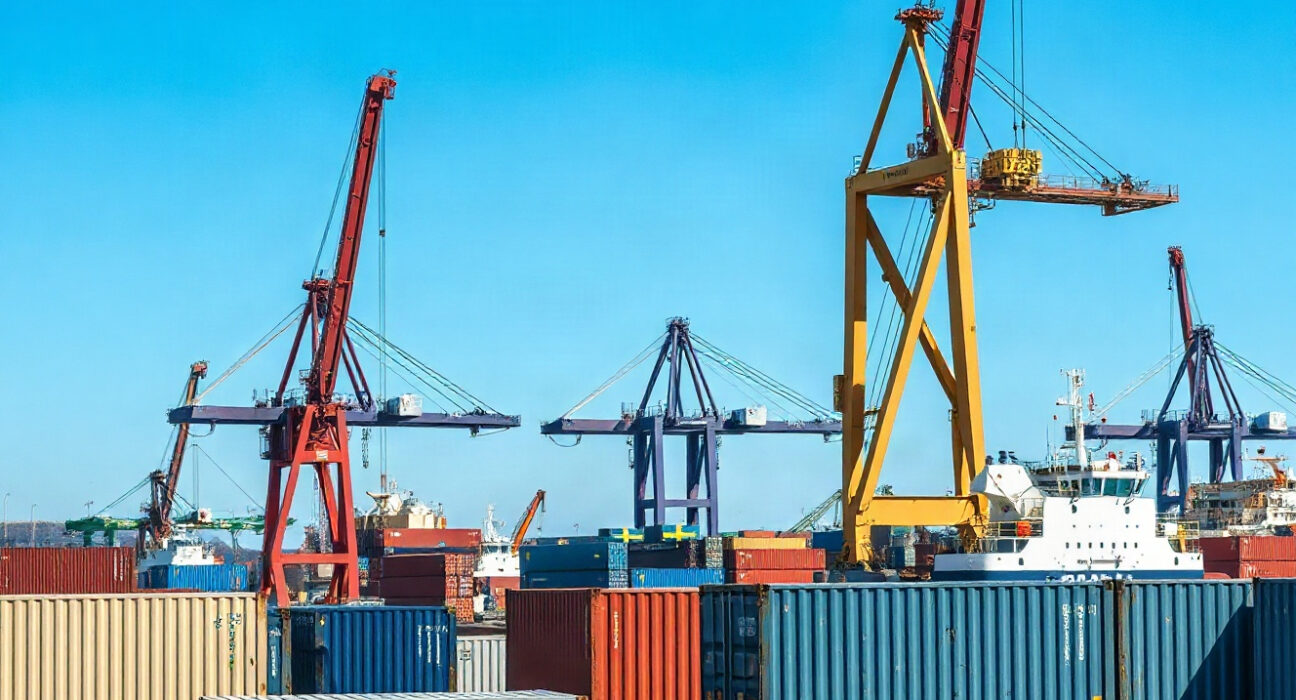
Sweden’s trade balance fell to SEK 1.2 billion in July, down from a revised SEK 2.6 billion in June, according to the latest monthly data from Statistics Sweden. The decline reflects a narrowing trade surplus as import growth outpaced exports during the month.
What the July Data Shows
The July figure marks a significant month-on-month drop, underscoring softer external demand for Swedish goods. While exports remained relatively stable, imports rose, compressing the surplus. The trade balance is a key indicator of the country’s economic health, and the latest reading suggests a shift in trade dynamics.
Seasonally adjusted figures, which smooth out monthly volatility, also pointed to a slowdown. However, the underlying trend remains positive, with Sweden still posting a surplus for the third consecutive month. Analysts note that the decline is not necessarily alarming, as trade balances often fluctuate with global demand and currency movements.
Implications for the Swedish Economy
The narrowing surplus could have implications for the Swedish krona and the Riksbank’s monetary policy stance. A smaller trade surplus may reduce net exports’ contribution to GDP growth, potentially influencing the central bank’s rate decisions. However, domestic consumption and investment remain the primary growth drivers.
Export-oriented industries, particularly manufacturing and automotive, are watching global demand closely. The recent slowdown in key trading partners, including Germany and the broader eurozone, may weigh on future export performance. Conversely, lower import prices could ease inflationary pressures, providing some relief to consumers.
Why This Matters
For businesses and investors, the trade balance is a barometer of competitiveness and external demand. A sustained decline could signal weakening export momentum, while a rebound would suggest resilience. The data also feeds into broader economic forecasts, affecting everything from corporate earnings to government budget planning.
For the general public, trade figures influence the value of the krona, which in turn affects the cost of imported goods and travel abroad. A weaker trade balance often puts downward pressure on the currency, making imports more expensive and potentially contributing to inflation.
Conclusion
Sweden’s trade balance declined in July, reflecting a mix of stable exports and rising imports. While the surplus remains intact, the trend warrants monitoring as global economic conditions evolve. The data underscores the importance of external demand for Sweden’s open economy, and policymakers will be watching upcoming months for signs of sustained improvement or further deterioration.
FAQs
Q1: What does the trade balance measure?
The trade balance measures the difference between a country’s exports and imports of goods and services over a specific period. A positive balance (surplus) means exports exceed imports, while a negative balance (deficit) means the opposite.
Q2: Why did Sweden’s trade balance decline in July?
The decline was primarily due to imports rising faster than exports during the month. This could reflect stronger domestic demand or higher import prices, while export growth may have been constrained by softer global demand.
Q3: How does the trade balance affect the Swedish krona?
A larger trade surplus generally supports the currency, as foreign buyers need krona to pay for Swedish exports. A narrowing surplus can reduce this demand, potentially weakening the krona against other currencies.
Disclaimer: The information provided is not trading advice, Bitcoinworld.co.in holds no liability for any investments made based on the information provided on this page. We strongly recommend independent research and/or consultation with a qualified professional before making any investment decisions.
