

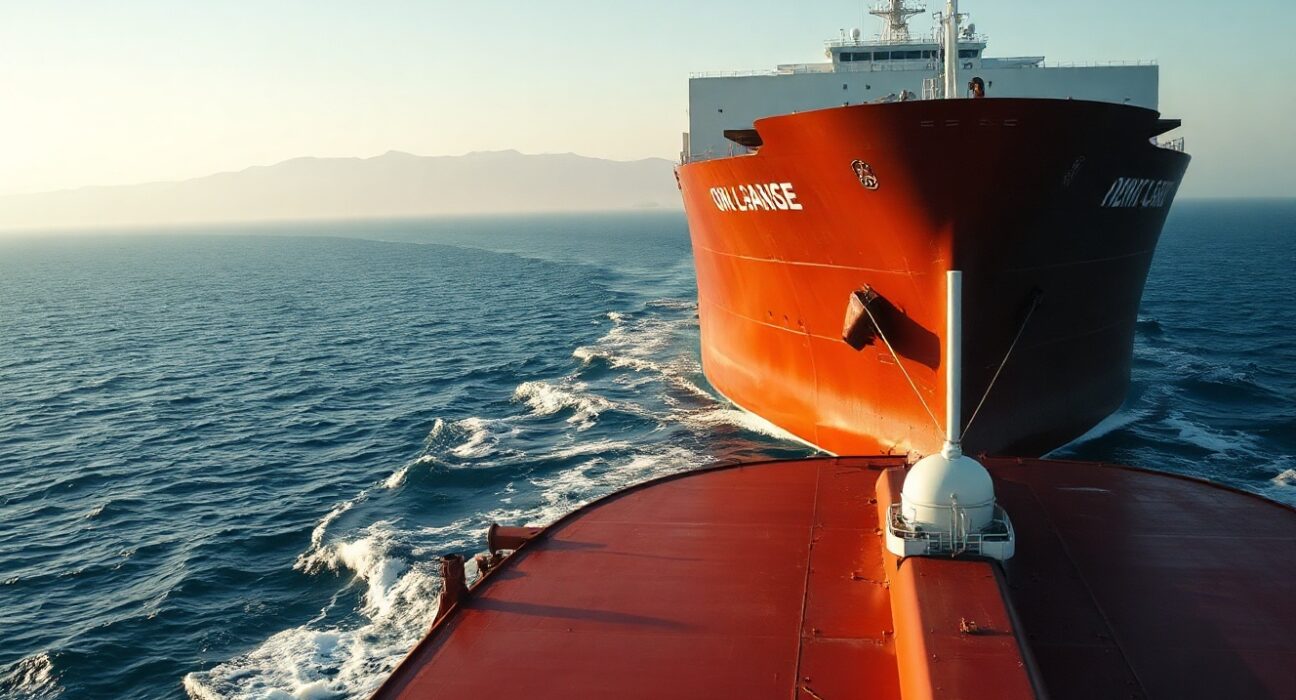
Iran’s Supreme Joint Military Command has formally accused the United States of attacking an Iranian oil tanker and a second vessel as they entered the Strait of Hormuz, alleging the action constitutes a direct violation of a standing ceasefire agreement. The accusation, reported by Iranian state media, marks a significant escalation in rhetoric between the two nations and raises new concerns about the security of one of the world’s most critical maritime chokepoints.
Details of the Alleged Incident
According to the Iranian military command, the incident occurred when U.S. naval forces targeted an Iranian-flagged oil tanker and another unidentified vessel transiting the Strait of Hormuz. The statement did not specify the exact date of the alleged attack, the extent of any damage, or whether there were casualties. It described the action as a ‘violation of the ceasefire agreement,’ though it did not provide details on which specific ceasefire arrangement was referenced. The Strait of Hormuz, a narrow waterway connecting the Persian Gulf to the Gulf of Oman, is a vital artery for global oil shipments, with approximately 20% of the world’s petroleum passing through it daily.
Broader Context and Ceasefire Ambiguity
The term ‘ceasefire agreement’ in this context is ambiguous. There is no publicly known, formal bilateral ceasefire between the United States and Iran. However, Iran may be referring to informal understandings or tacit agreements that have emerged in recent years to avoid direct military confrontation in the Persian Gulf, particularly after periods of heightened tension involving tanker seizures and drone shootdowns. The accusation also comes amid ongoing diplomatic efforts related to Iran’s nuclear program and regional proxy conflicts, where both sides have at times signaled a desire to de-escalate. The lack of an immediate, detailed response from the U.S. Department of Defense or State Department leaves the veracity of Iran’s claims unconfirmed.
Implications for Regional Stability and Energy Markets
If confirmed, such an attack would represent a serious breach of maritime norms and could trigger a rapid escalation in the Persian Gulf. For global energy markets, even the perception of instability in the Strait of Hormuz can lead to volatility in oil prices. Traders and shipping companies will be closely monitoring the situation for any signs of increased naval presence or insurance premium hikes for vessels transiting the region. The incident also tests the resilience of informal de-escalation channels between Washington and Tehran, which have historically been fragile and easily disrupted by miscalculations or hardliner actions on either side.
Conclusion
Iran’s formal accusation of a U.S. attack on its oil tanker in the Strait of Hormuz introduces a new and serious point of friction in an already volatile region. The lack of independent confirmation and the ambiguity surrounding the alleged ceasefire leave the situation open to interpretation, but the potential for miscalculation is high. The coming days will be critical for verifying the facts and assessing whether this is a localized incident or a precursor to broader confrontation. For now, the global community watches the Strait of Hormuz with renewed concern.
FAQs
Q1: What exactly is Iran accusing the U.S. of?
A: Iran’s Supreme Joint Military Command claims that U.S. forces attacked an Iranian oil tanker and another vessel entering the Strait of Hormuz, violating a ceasefire agreement.
Q2: What is the Strait of Hormuz and why is it important?
A: The Strait of Hormuz is a narrow waterway between the Persian Gulf and the Gulf of Oman. It is a critical chokepoint for global oil shipments, with about 20% of the world’s petroleum passing through it daily.
Q3: Has the U.S. responded to Iran’s accusation?
A: As of the latest reports, there has been no immediate, detailed public response from the U.S. Department of Defense or State Department confirming or denying the allegation.
Disclaimer: The information provided is not trading advice, Bitcoinworld.co.in holds no liability for any investments made based on the information provided on this page. We strongly recommend independent research and/or consultation with a qualified professional before making any investment decisions.
