

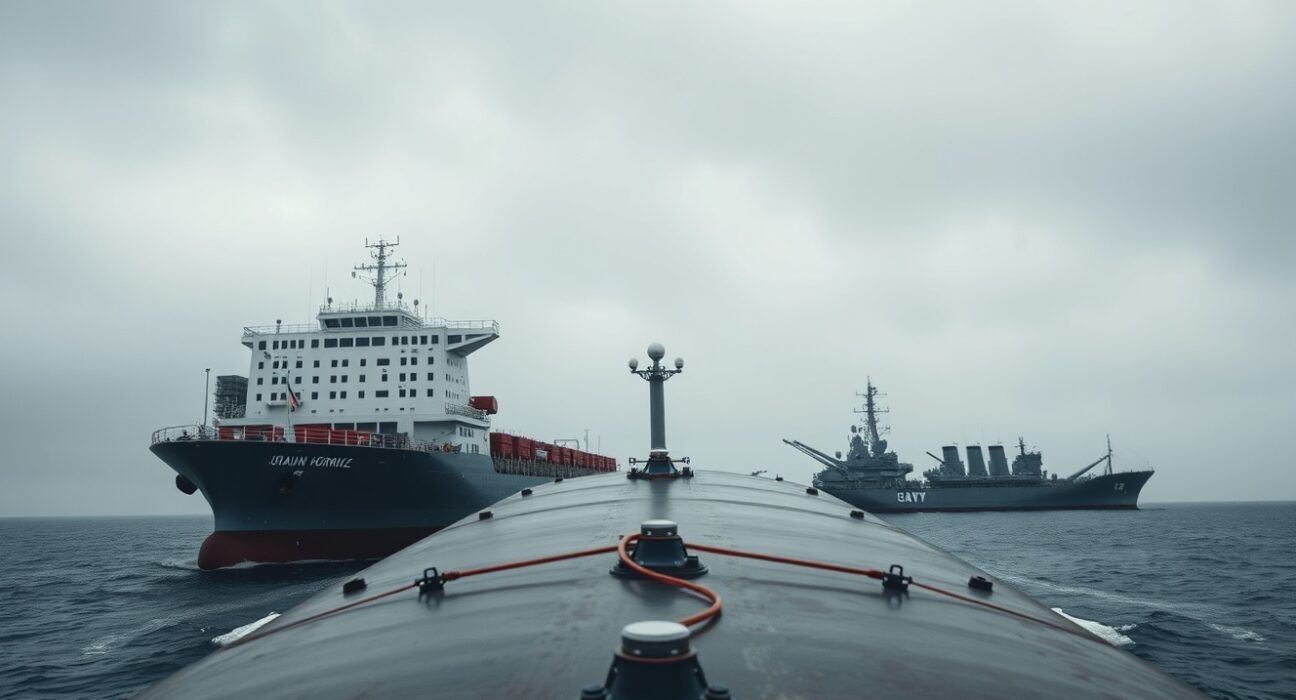
Iranian Foreign Minister Abbas Araghchi has publicly condemned a recent US Navy strike on Iranian oil tankers in the Persian Gulf, escalating rhetoric between the two nations amid ongoing tensions over maritime security and sanctions enforcement. The incident, which occurred near the Strait of Hormuz, marks a significant escalation in the longstanding confrontation between Tehran and Washington over oil exports and regional influence.
Background of the Incident
According to Iranian state media, the US Navy targeted Iranian tankers believed to be transporting crude oil in violation of international sanctions. The strike, which reportedly involved warning shots and close maneuvers, forced the tankers to alter course. Araghchi described the action as an act of aggression and a violation of international maritime law, warning that such actions could destabilize the region further. The US has not officially confirmed the details of the operation, but officials have stated that they are committed to enforcing sanctions against Iranian oil exports.
Strategic and Economic Implications
The Strait of Hormuz, a narrow waterway through which approximately 20% of the world’s oil passes, remains a flashpoint. Any disruption to tanker traffic there could send global oil prices soaring. The US Navy’s interdiction of Iranian tankers is part of a broader strategy to choke off revenue streams that Tehran uses to fund proxy groups and nuclear ambitions. For Iran, the tanker strike represents a direct challenge to its sovereignty and its ability to maintain economic lifelines under sanctions.
Impact on Global Energy Markets
Oil markets have reacted cautiously to the news, with benchmark Brent crude rising slightly amid fears of supply disruptions. Analysts warn that a sustained escalation could lead to a significant spike in energy prices, particularly if Iran retaliates by disrupting other tanker traffic through the Strait. The situation remains fluid, and market participants are watching for any signs of broader military confrontation.
Conclusion
Iran’s condemnation of the US Navy strike on its tankers underscores the fragile state of security in the Persian Gulf. While both sides have signaled a desire to avoid full-scale conflict, the risk of miscalculation remains high. For readers, the key takeaway is that these maritime incidents directly affect global energy prices, regional stability, and the broader geopolitical struggle between the US and Iran. Continued monitoring of official statements from both governments will be essential to understanding the trajectory of this developing story.
FAQs
Q1: Why did the US Navy strike Iranian oil tankers?
The US Navy action is part of ongoing enforcement of sanctions against Iranian oil exports, which the US considers a key source of funding for destabilizing activities in the region. The strike aimed to disrupt what the US views as illicit oil shipments.
Q2: How has Iran responded to the incident?
Iranian Foreign Minister Abbas Araghchi condemned the strike as an act of aggression and a violation of international maritime law. Iran has warned of potential consequences and has called for international condemnation of the US action.
Q3: What are the potential global impacts of this escalation?
The primary impact is on global oil prices, as the Strait of Hormuz is a critical chokepoint for oil transit. Any disruption could lead to price spikes. Additionally, the incident increases the risk of a broader military confrontation between the US and Iran, which would have severe regional and global consequences.
Disclaimer: The information provided is not trading advice, Bitcoinworld.co.in holds no liability for any investments made based on the information provided on this page. We strongly recommend independent research and/or consultation with a qualified professional before making any investment decisions.
