

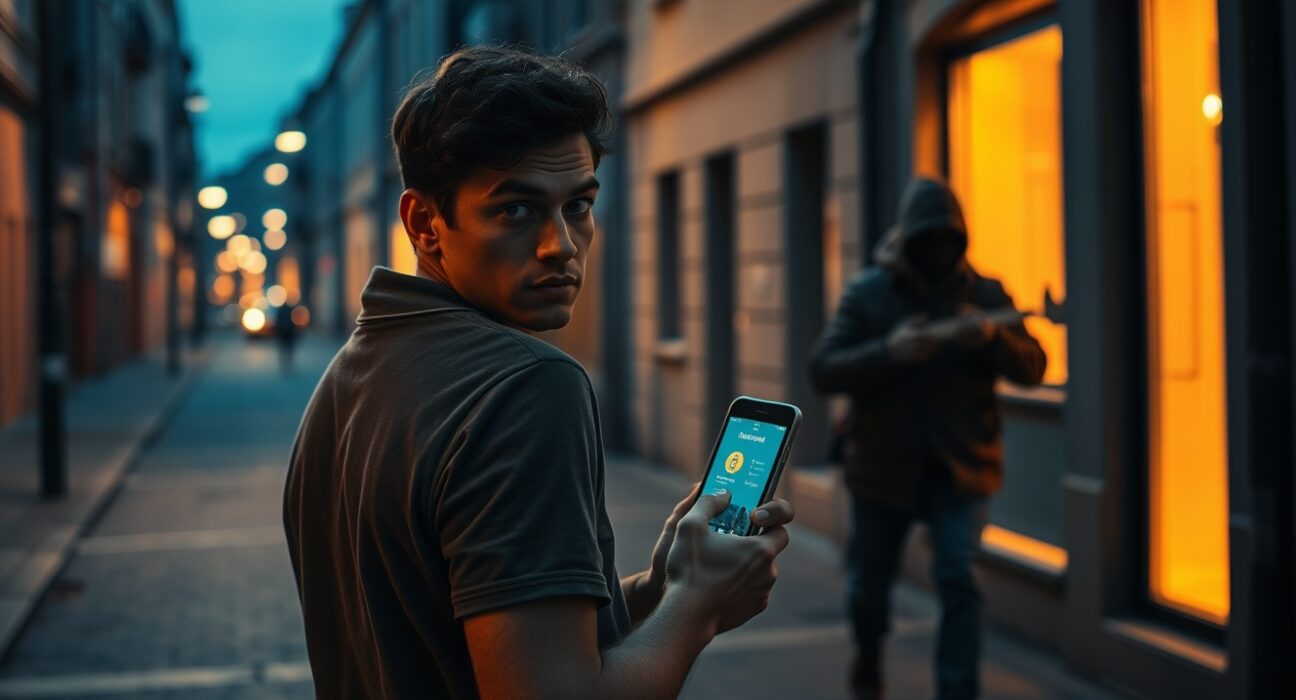
A disturbing trend is escalating in the world of cryptocurrency: violent physical robberies targeting digital asset holders, known as wrench attacks, are increasing at an alarming rate. According to a new report from Web3 security firm CertiK, at least 34 confirmed wrench attacks have occurred globally in 2026, representing a 41% increase compared to the same period in 2025. The financial toll has already reached approximately $101 million in damages, and if the current trajectory holds, losses for the full year could climb into the hundreds of millions.
Europe Emerges as a Hotspot for Physical Crypto Theft
The geographic concentration of these attacks is striking. CertiK’s data reveals that 28 of the 34 confirmed incidents—or 82%—took place in Europe. France, in particular, has become a focal point for such crimes. The security firm attributes this to a combination of factors, including a culture of ostentation within certain crypto communities, where holders publicly display their wealth, and a tendency toward voluntary self-disclosure of holdings on social media and in public forums. This visibility, the report suggests, makes individuals prime targets for organized criminal groups who monitor and track potential victims.
New Tactics: Targeting Family Members
Beyond the increase in frequency, CertiK highlights a troubling evolution in the methods used by attackers. The firm notes a recent rise in cases where the primary target is not the sole victim. Family members—including spouses, children, and elderly parents—are increasingly being directly victimized or used as leverage to force victims to transfer their crypto assets. This shift represents a significant escalation in the level of violence and psychological coercion involved, raising serious concerns for the safety of crypto holders and their loved ones.
Why This Matters for Crypto Investors
Wrench attacks are often referred to as the industry’s most feared vulnerability because they bypass all digital security measures. No hardware wallet, multi-signature setup, or encryption can protect a holder who is physically coerced into handing over private keys or transferring funds. The rise of these attacks underscores a fundamental risk that is often overlooked in discussions about crypto security: the human element. Investors who publicly associate themselves with significant crypto wealth, whether through social media, local meetups, or luxury spending, become visible targets. The report serves as a stark reminder that operational security must extend beyond the digital realm into physical safety practices.
Conclusion
The 41% surge in wrench attacks in 2026, as documented by CertiK, paints a grim picture for the crypto ecosystem. With Europe bearing the brunt of the violence and attackers increasingly targeting families, the threat is becoming more sophisticated and dangerous. For crypto holders, the takeaway is clear: discretion about holdings, awareness of physical surroundings, and robust personal security measures are no longer optional—they are essential. The industry as a whole faces a growing challenge in addressing this form of crime, which requires cooperation between law enforcement, security firms, and the community to develop effective countermeasures.
FAQs
Q1: What exactly is a wrench attack?
A wrench attack is a form of physical robbery where criminals use violence, threats, or coercion to force a cryptocurrency holder to transfer their digital assets. The name derives from the hypothetical scenario of an attacker holding a wrench to a victim’s head until they comply.
Q2: Why are wrench attacks increasing in 2026?
CertiK attributes the rise to several factors, including increased public awareness of crypto wealth, the growing value of digital assets, and the relative ease with which attackers can identify wealthy holders through social media and public events. Europe’s high concentration of attacks is linked to cultural factors like ostentation and voluntary disclosure within crypto communities.
Q3: How can crypto holders protect themselves from wrench attacks?
Key precautions include avoiding public disclosure of crypto holdings, using privacy-focused practices for transactions, traveling discreetly, and considering physical security measures such as security systems or personal protection. Some experts also recommend using multi-signature wallets with time delays or social recovery features that can provide a layer of protection under duress.
Disclaimer: The information provided is not trading advice, Bitcoinworld.co.in holds no liability for any investments made based on the information provided on this page. We strongly recommend independent research and/or consultation with a qualified professional before making any investment decisions.
