
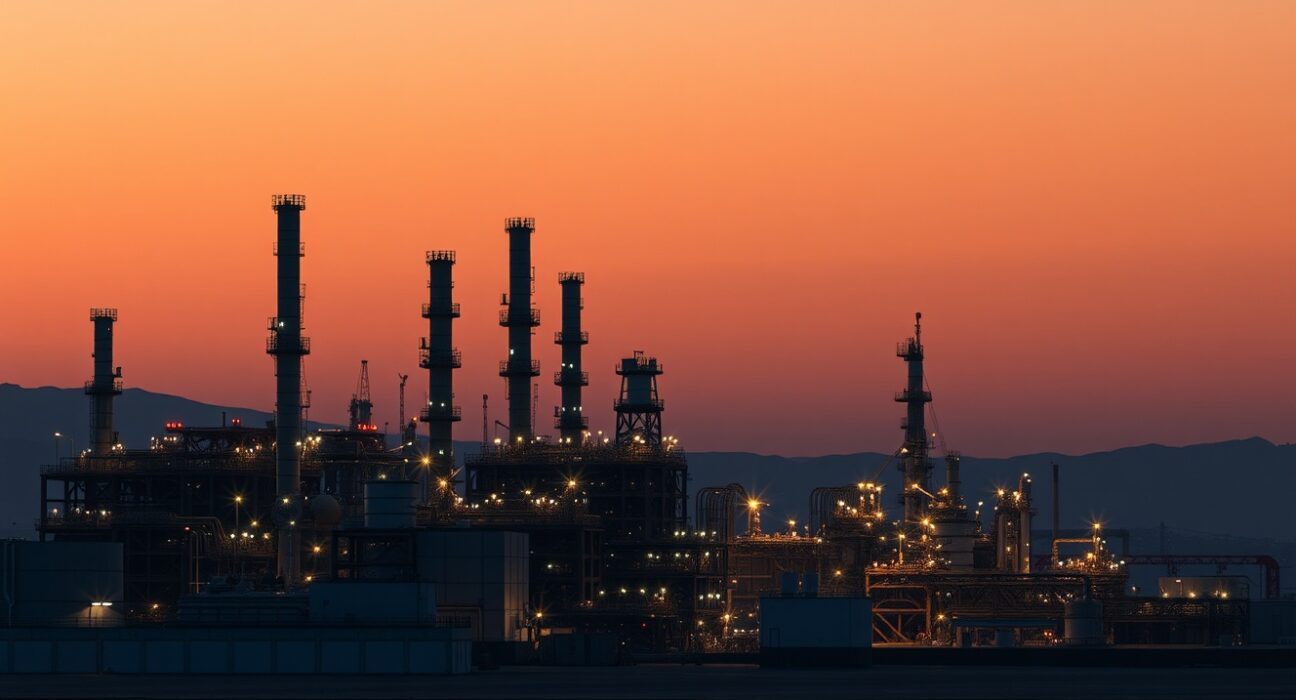
Recent military exchanges between Iran and Israel have targeted critical energy infrastructure, marking a dangerous escalation in regional tensions that threatens global oil markets and Middle Eastern stability in 2025.
Iran and Israel Energy Strikes: The Escalating Conflict
Bloomberg reports confirm that Iran and Israel have exchanged strikes on energy facilities throughout early 2025. Consequently, these attacks represent a significant shift in regional conflict patterns. Previously, both nations engaged primarily through proxy forces and cyber operations. However, direct strikes on energy infrastructure signal a new phase of confrontation. The International Energy Agency monitors these developments closely. Furthermore, regional analysts express concern about potential spillover effects.
Energy facilities serve as strategic targets for several reasons. First, they represent economic vulnerabilities for both nations. Second, attacks create immediate domestic pressure on governments. Third, they demonstrate military capabilities without causing mass casualties. The United Nations Security Council discussed these incidents recently. Meanwhile, global oil prices experienced noticeable volatility.
Historical Context and Regional Tensions
The current conflict has deep historical roots spanning decades. Iran and Israel maintained hostile relations since the 1979 Iranian Revolution. Additionally, nuclear program disagreements intensified tensions over the past twenty years. Regional power struggles further complicate the situation. Syria and Lebanon often serve as secondary battlegrounds. Moreover, Yemen’s conflict involves Iranian-backed Houthi forces.
Recent developments changed the conflict’s dynamics significantly. The 2023 China-brokered Saudi-Iran normalization agreement created new regional alignments. Israel’s expanding relations with Arab states altered traditional alliances. Iran’s advancing nuclear capabilities increased Israeli security concerns. Economic pressures on both nations made energy assets more vulnerable targets.
Expert Analysis of Strategic Calculations
Military strategists identify several calculated elements in these strikes. Dr. Amina Hassan, Middle East security analyst at Chatham House, explains the strategic thinking. “Energy facilities represent carefully calibrated targets,” she notes. “They demonstrate capability while avoiding uncontrolled escalation.” Furthermore, these attacks test air defense systems and response protocols. They also communicate resolve to domestic audiences and international observers.
The table below shows recent confirmed strikes:
| Date | Location | Facility Type | Claimed By |
|---|---|---|---|
| March 15, 2025 | Southern Iran | Oil Refinery | Israeli Defense Forces |
| March 18, 2025 | Haifa, Israel | Storage Terminal | Iranian Revolutionary Guard |
| March 22, 2025 | Persian Gulf | Offshore Platform | Unclaimed |
Economic Impacts and Global Market Reactions
Global energy markets reacted immediately to these developments. Brent crude prices increased by 8% following the initial strikes. However, prices stabilized somewhat after strategic reserve announcements. The United States released additional barrels from its Strategic Petroleum Reserve. Similarly, China increased its domestic production temporarily. Nevertheless, market uncertainty persists among traders and analysts.
Regional economies face particular challenges from these disruptions:
- Shipping insurance costs increased by 40% in Persian Gulf routes
- Regional stock markets declined across Middle Eastern exchanges
- Currency fluctuations affected Iranian rial and Israeli shekel
- Foreign investment paused for energy sector projects
European energy security concerns intensified significantly. Many European nations reduced Iranian oil imports previously. Now they monitor alternative supply routes carefully. Meanwhile, Asian markets diversified their sourcing strategies. Japanese and South Korean companies activated contingency plans immediately.
Military Capabilities and Defense Systems
Both nations demonstrated advanced military capabilities through these strikes. Israel employed its long-range precision strike systems effectively. Iranian forces utilized drone and missile technologies developed recently. Defense analysts observed several technical aspects worth noting. First, penetration rates exceeded previous conflict data. Second, targeting accuracy showed marked improvement. Third, response times decreased compared to earlier engagements.
Air defense systems played crucial roles during these exchanges. Israel’s Iron Dome intercepted numerous projectiles successfully. However, some targets required Arrow system interceptions. Iran’s Bavar-373 system demonstrated improved capabilities. Russian S-300 systems provided additional coverage in certain regions. Consequently, casualty numbers remained relatively low despite infrastructure damage.
Regional Security Implications
Neighboring nations adjusted their security postures accordingly. Saudi Arabia enhanced its air defense readiness immediately. The United Arab Emirates conducted emergency preparedness exercises. Turkey increased surveillance along its southern borders. Egypt monitored Suez Canal traffic more closely. Regional security cooperation mechanisms activated their protocols.
The Gulf Cooperation Council held emergency meetings throughout March. Member states discussed collective security arrangements extensively. They also coordinated with international partners carefully. NATO increased its Mediterranean patrols subsequently. The United States deployed additional naval assets to the region. Russia conducted diplomatic outreach to all parties involved.
Diplomatic Efforts and International Response
International diplomacy intensified following these incidents. The United Nations Secretary-General called for immediate de-escalation. Security Council members proposed various resolution drafts. However, consensus proved difficult among permanent members. China offered mediation services based on its regional experience. Russia suggested multilateral negotiation frameworks. European Union foreign ministers coordinated their response carefully.
Regional diplomatic channels remained active despite tensions. Oman continued its traditional mediation role persistently. Qatar maintained communication with all parties involved. Egyptian intelligence officials shuttled between capitals regularly. Turkish diplomats proposed confidence-building measures repeatedly. These efforts prevented complete diplomatic breakdown temporarily.
Conclusion
The Iran and Israel energy strikes represent a dangerous escalation with far-reaching consequences. These attacks threaten regional stability and global energy security significantly. Furthermore, they demonstrate changing conflict dynamics in the Middle East. Diplomatic solutions remain essential despite current challenges. The international community must engage all parties constructively. Ultimately, sustainable security requires addressing underlying tensions comprehensively. The Iran and Israel energy strikes will likely influence regional geopolitics throughout 2025 and beyond.
FAQs
Q1: What triggered the recent Iran-Israel energy facility strikes?
The immediate trigger remains unclear, but analysts point to escalating tensions over Iran’s nuclear program, regional proxy conflicts, and previous covert operations between the two nations.
Q2: How have global oil markets reacted to these strikes?
Brent crude prices increased approximately 8% initially, though strategic reserve releases and increased production from other regions helped stabilize markets somewhat.
Q3: What military capabilities have both sides demonstrated?
Israel showed advanced precision strike capabilities, while Iran demonstrated improved drone and missile technologies, with both sides’ air defense systems intercepting numerous projectiles.
Q4: How are neighboring countries responding to the escalation?
Saudi Arabia, UAE, Turkey, and Egypt have all enhanced their security postures, with regional organizations like the Gulf Cooperation Council holding emergency meetings.
Q5: What are the long-term implications of these energy facility strikes?
Experts warn of potential supply chain disruptions, increased regional militarization, and possible expansion of conflict if diplomatic efforts fail to achieve de-escalation.
Disclaimer: The information provided is not trading advice, Bitcoinworld.co.in holds no liability for any investments made based on the information provided on this page. We strongly recommend independent research and/or consultation with a qualified professional before making any investment decisions.