

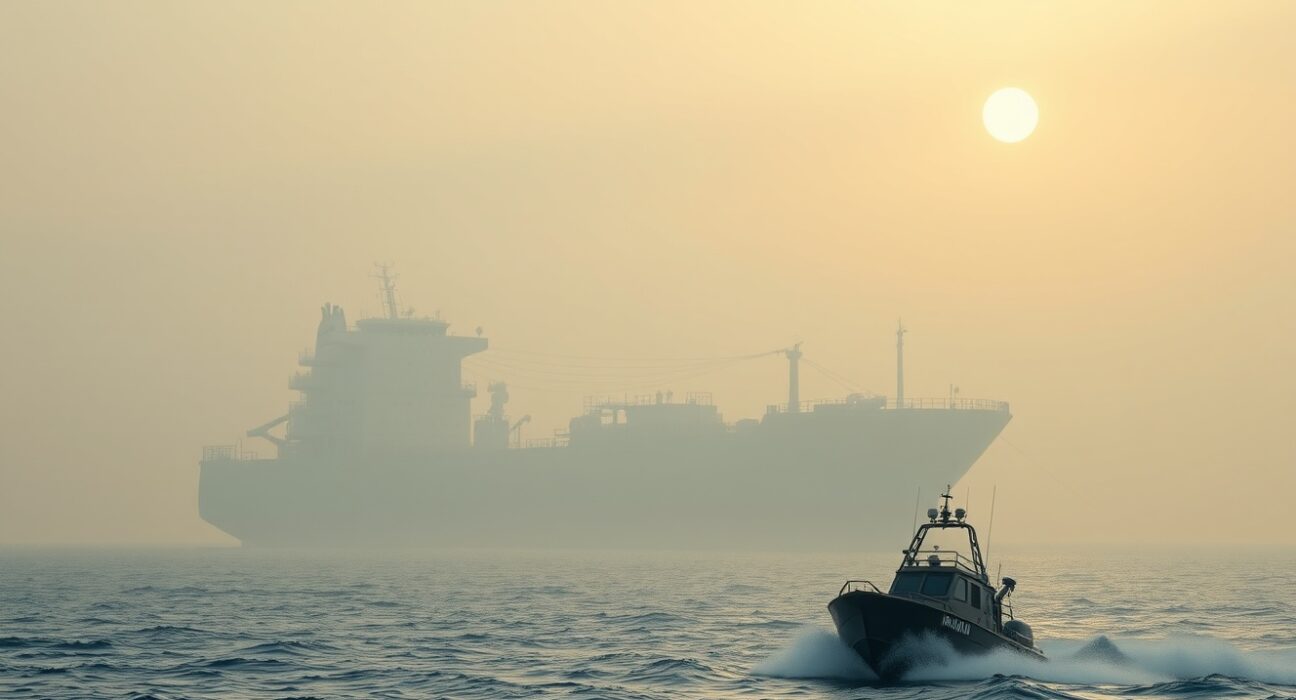
Iran has issued a stark warning of unprecedented military action if the United States continues to seize vessels linked to the Islamic Republic. The statement, reported by state-run Press TV, cites a high-ranking security source. This escalation marks a dangerous new phase in the ongoing maritime tensions between the two nations. The warning comes after a series of US seizures of Iranian oil tankers and cargo ships. These operations aim to enforce sanctions and disrupt illicit trade routes.
Iran Military Action: The Core of the Warning
The unnamed security source emphasized that any further US interference with Iranian shipping would cross a red line. The source described the potential response as “unprecedented” in scale and nature. This language signals a shift from previous, more measured warnings. Historically, Iran has used proxy forces and asymmetric tactics. Now, it threatens direct, overt military action. This change reflects growing frustration with the economic pressure of sanctions.
US Ship Seizures: The Triggering Events
The United States has significantly increased its interception of vessels carrying Iranian crude oil. These seizures often occur in international waters, including the Gulf of Oman and the South China Sea. The US Navy and allied forces board and redirect these ships to enforce sanctions. In 2023, the US seized over 1 million barrels of Iranian oil in multiple operations. This strategy aims to cut off a key revenue stream for the Iranian government.
Key US Ship Seizures in Recent Years
- April 2023: US seizes Iranian oil aboard the tanker Suez Rajan near Greece.
- September 2023: US intercepts another Iranian cargo ship in the South China Sea.
- February 2024: US Navy boards a vessel carrying Iranian weapons components to Yemen.
Each seizure reduces Iran’s ability to sell oil on the global market. This economic pressure directly motivates the current military threats.
Escalating Naval Tensions in the Persian Gulf
The Persian Gulf and the Strait of Hormuz remain flashpoints for confrontation. Approximately 20% of the world’s oil passes through this narrow waterway. Iran has previously threatened to block the strait in retaliation for sanctions. The current warning suggests a more immediate and localized military response. The US Navy maintains a constant presence in the region through the Fifth Fleet. Both sides have conducted provocative maneuvers, including close encounters between vessels.
Timeline of Recent Naval Incidents
| Date | Incident |
|---|---|
| July 2023 | US Navy fires warning shots at Iranian speedboats. |
| November 2023 | Iran seizes a commercial tanker in the Gulf of Oman. |
| January 2024 | US and Iran hold indirect talks in Oman to de-escalate. |
| March 2024 | Iranian drones fly near US Navy ships in the Red Sea. |
These incidents show a pattern of tit-for-tat actions. The current warning escalates this cycle to a new level.
Potential Military Scenarios and Expert Analysis
Military analysts suggest Iran could use several options for its threatened action. These include deploying anti-ship missiles, using fast-attack boats, or laying naval mines. An unprecedented response might involve direct attacks on US Navy vessels. Alternatively, Iran could target commercial shipping to disrupt global oil supplies. Experts from the Center for Strategic and International Studies (CSIS) warn that miscalculation could lead to open conflict. The US has superior naval firepower, but Iran possesses layered defenses and asymmetric capabilities.
Iran’s Military Capabilities in the Gulf
- Anti-ship missiles: Range up to 300 km, including the Noor and Qader systems.
- Fast-attack boats: Hundreds of small, fast vessels armed with machine guns and rockets.
- Naval mines: Iran has large stockpiles of advanced mines for blocking ports.
- Drones: Unmanned aerial vehicles for surveillance and strike missions.
These capabilities make any US naval operation in the Gulf a high-risk endeavor.
Global Economic Impact of the Warning
The threat of military action immediately affects global oil prices. Crude oil futures rose by 2% following the Press TV report. Traders fear that any conflict could disrupt shipments through the Strait of Hormuz. Insurance premiums for tankers transiting the Gulf have already increased. Asian and European economies, heavily reliant on Middle Eastern oil, face the greatest risk. A prolonged disruption could trigger a global recession. The International Energy Agency (IEA) has stated it stands ready to release strategic reserves if needed.
Diplomatic Efforts and International Reactions
The United Nations has called for restraint from both sides. The European Union continues to mediate indirect talks between Washington and Tehran. However, these negotiations have stalled over disagreements on nuclear enrichment and sanctions relief. Russia and China have criticized US seizures as violations of international law. Iran’s warning may be an attempt to gain leverage in these talks. The US State Department has not officially responded to the latest threat. Behind the scenes, backchannel communications remain active to prevent accidental conflict.
Historical Context of US-Iran Maritime Confrontations
This is not the first time Iran has threatened military action over shipping. In the 1980s, during the Iran-Iraq War, Iran attacked tankers in the Gulf. The US responded with Operation Earnest Will, escorting reflagged Kuwaiti tankers. In 2019, Iran seized the British-flagged tanker Stena Impero in retaliation for the seizure of an Iranian tanker. These historical precedents show that maritime disputes often escalate quickly. The current situation mirrors these past crises but with higher stakes due to advanced weapons.
Conclusion
Iran’s warning of unprecedented military action over US ship seizures represents a serious escalation in bilateral tensions. The combination of economic sanctions, naval seizures, and military posturing creates a volatile mix. Both nations have shown a willingness to use force to protect their interests. The global community watches closely as the situation develops. Any miscalculation could lead to a wider conflict with severe economic and humanitarian consequences. Diplomacy remains the only safe path forward, but the window for de-escalation is narrowing.
FAQs
Q1: What exactly did Iran warn about regarding military action?
A: Iran warned it would take unprecedented military action if the United States continues to seize Iranian-related vessels. The warning came from a high-ranking security source and was reported by state-run Press TV.
Q2: Why is the US seizing Iranian ships?
A: The US seizes Iranian ships to enforce economic sanctions. These operations aim to block Iran’s oil exports, which are a major source of revenue for the government. The seizures also target weapons shipments to groups like the Houthis in Yemen.
Q3: Where do these ship seizures typically occur?
A: Most seizures happen in international waters, including the Gulf of Oman, the Arabian Sea, and the South China Sea. The US Navy and allied forces intercept vessels suspected of carrying Iranian crude oil or contraband.
Q4: How could Iran carry out unprecedented military action?
A: Iran could use anti-ship missiles, fast-attack boats, naval mines, or drones. An unprecedented response might involve direct attacks on US Navy vessels or large-scale disruption of commercial shipping in the Strait of Hormuz.
Q5: What impact does this tension have on global oil prices?
A: The threat of conflict immediately raises oil prices due to fear of supply disruptions. Crude oil futures rose after the warning. A real conflict could block the Strait of Hormuz, through which 20% of global oil passes, causing a major price spike.
Q6: Is there any diplomatic solution in progress?
A: The UN and EU are calling for restraint and mediating indirect talks. However, negotiations have stalled over nuclear issues and sanctions. Backchannel communications continue to prevent accidental escalation, but no formal breakthrough is imminent.
Disclaimer: The information provided is not trading advice, Bitcoinworld.co.in holds no liability for any investments made based on the information provided on this page. We strongly recommend independent research and/or consultation with a qualified professional before making any investment decisions.
