

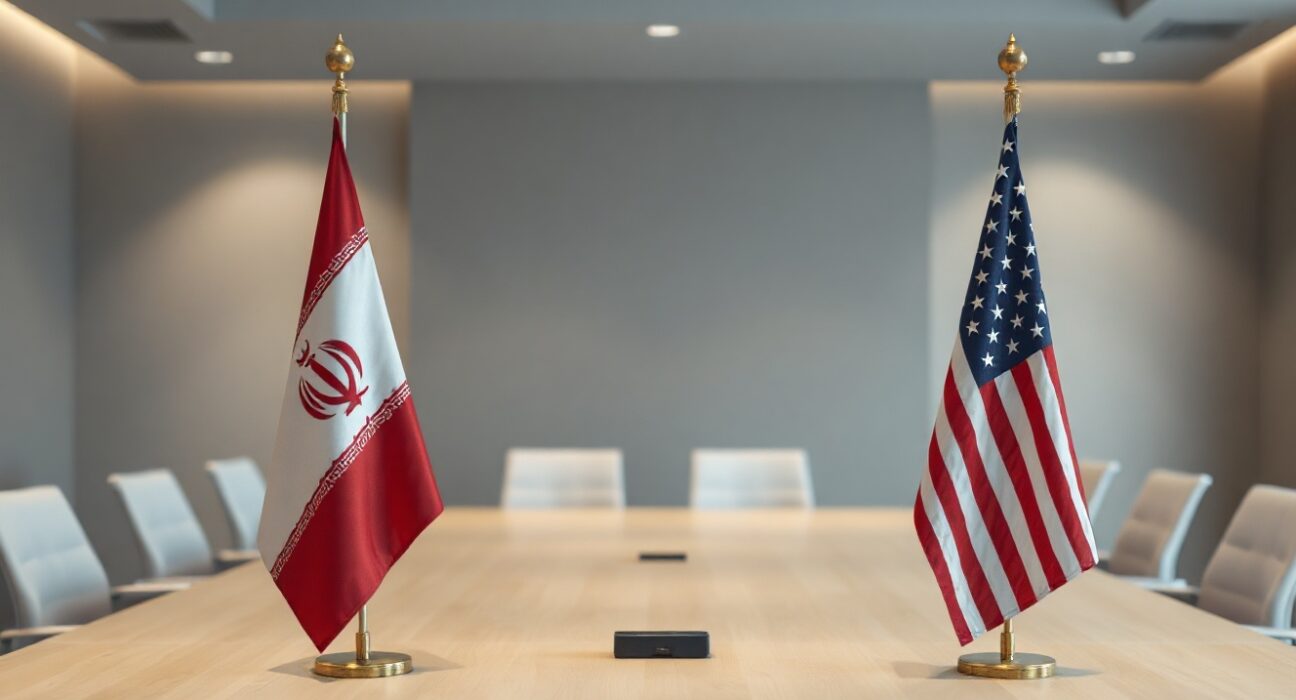
Iran’s Deputy Foreign Minister stated on Tuesday that international inspections of its nuclear facilities would only be possible after a final agreement is reached, pushing back against recent claims from the United States. The remarks, reported by a state-affiliated media outlet, directly contradict the timeline suggested by former U.S. President Donald Trump, who said on Monday that an agreement had been secured with Iran to keep the Strait of Hormuz open and that Iran had consented to long-term nuclear inspections as part of the negotiations.
Divergent Narratives on the Negotiation Status
The Iranian official’s statement clarifies that no such inspections are imminent. “Inspections will be discussed and implemented only within the framework of a final, comprehensive deal,” the Deputy Foreign Minister was quoted as saying. This creates a clear gap between Tehran’s position and the characterization offered by Trump, who claimed that a basic understanding had already been reached. The Strait of Hormuz, a critical chokepoint for global oil shipments, has been a central point of contention, with Iran previously threatening to disrupt maritime traffic in response to sanctions.
The conflicting statements highlight the fragile and often contradictory nature of informal diplomacy between the two nations, which have not had formal diplomatic relations for decades. Analysts suggest that Trump’s remarks may have been intended to project progress, while Iran’s more cautious stance reflects internal political pressures and a desire to avoid appearing to concede before hard-fought negotiations conclude.
Implications for Global Markets and Regional Stability
The disagreement over the inspection timeline carries significant weight for international markets. The Strait of Hormuz sees the transit of about 20% of the world’s oil, and any perceived instability or misunderstanding regarding its security can lead to volatility in energy prices. The Trump administration’s claim of an agreement to keep the strait open initially provided some relief to traders, but the subsequent clarification from Iran has reintroduced uncertainty.
What This Means for Future Negotiations
The core issue remains the scope and sequencing of nuclear inspections. Iran insists on a full normalization of economic relations and the lifting of all sanctions before allowing intrusive inspections. The U.S. position, historically, has been that verifiable inspections must precede significant sanctions relief. This fundamental disagreement has been the primary obstacle to a renewed nuclear deal since the U.S. withdrawal from the Joint Comprehensive Plan of Action (JCPOA) in 2018. The latest exchange suggests that while back-channel talks may be ongoing, a breakthrough is not yet at hand.
For readers, the key takeaway is that the situation remains fluid and that public statements from both sides should be viewed as negotiating positions rather than settled facts. The lack of a formal, verifiable agreement means that the risk of escalation—whether through maritime incidents in the Gulf or advances in Iran’s nuclear program—remains elevated.
Conclusion
Iran’s insistence on a final deal before any nuclear inspections directly contradicts the more optimistic timeline suggested by former President Trump. The disagreement underscores the deep mistrust between the two countries and the complexity of reaching a sustainable agreement. As long as these fundamental sequencing issues remain unresolved, the Strait of Hormuz and the broader nuclear file will continue to be flashpoints with global economic and security implications.
FAQs
Q1: Why is the Strait of Hormuz important?
The Strait of Hormuz is a narrow waterway between Iran and Oman through which about one-fifth of the world’s oil passes. Any disruption there can cause major spikes in global oil prices.
Q2: What is the main disagreement between the U.S. and Iran regarding inspections?
The main disagreement is over timing. Iran wants all sanctions lifted before allowing full inspections, while the U.S. wants verifiable inspections to happen first or concurrently with sanctions relief.
Q3: Has a new nuclear deal been reached?
No. Despite claims of progress, no formal agreement has been signed. The statements from both sides indicate that negotiations are ongoing but that significant gaps remain, particularly on the issue of inspections.
Disclaimer: The information provided is not trading advice, Bitcoinworld.co.in holds no liability for any investments made based on the information provided on this page. We strongly recommend independent research and/or consultation with a qualified professional before making any investment decisions.
