

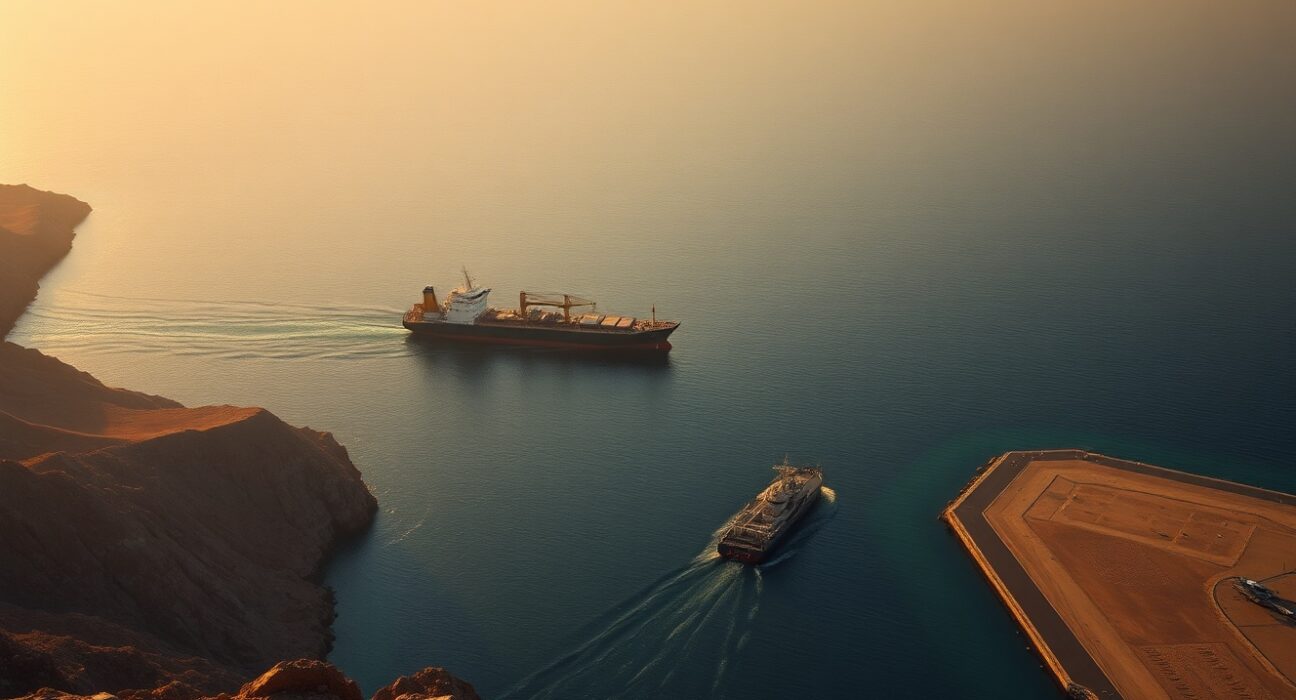
Iran and Oman have held discussions regarding the safe transit of vessels through the Strait of Hormuz, a strategically vital waterway that serves as a chokepoint for approximately one-fifth of the world’s oil supply. The talks, which were confirmed by officials from both countries, focus on maintaining maritime security and ensuring the uninterrupted flow of commercial shipping through the strait, which connects the Persian Gulf to the Gulf of Oman and the open ocean.
Background of the Discussions
The Strait of Hormuz is a narrow passage, just 21 miles wide at its narrowest point, bordered by Iran to the north and Oman to the south. It is a critical artery for global energy markets, with tankers carrying crude oil, liquefied natural gas, and other commodities passing through daily. Any disruption to transit in this waterway can have immediate and severe impacts on global energy prices and supply chains.
Recent regional tensions, including periodic confrontations between Iran and Western naval forces, have raised concerns about the safety of commercial shipping. Iran has previously threatened to close the strait in response to sanctions or military pressure, while the United States and its allies maintain a naval presence to ensure freedom of navigation. The discussions between Iran and Oman represent a diplomatic effort to de-escalate potential conflicts and establish protocols for safe passage.
Implications for Global Energy Markets
The talks come at a time when global oil markets are already sensitive to supply disruptions. Analysts note that any credible agreement between Iran and Oman to guarantee safe transit could reduce the risk premium built into oil prices. However, the discussions are preliminary, and no formal agreement has been announced. Market participants are watching closely for any signs of progress or setbacks.
Oman has historically played a mediating role in the region, maintaining diplomatic ties with both Iran and Western powers. Its involvement in these talks underscores its position as a neutral broker capable of facilitating dialogue. The discussions are also seen as part of broader efforts to address maritime security in the Persian Gulf, which has been a recurring flashpoint in Middle Eastern geopolitics.
Regional and International Reactions
International observers have welcomed the talks as a positive step toward reducing tensions in a volatile region. The United States and European Union have not issued formal statements, but diplomatic sources indicate that they are monitoring the situation closely. Shipping companies and insurance firms, which have faced rising premiums for vessels transiting the strait, are likely to view any progress favorably.
Iran’s motivations for engaging in these discussions are multifaceted. On one hand, Tehran seeks to reassure global markets and avoid further economic isolation. On the other, it wants to assert its role as a key stakeholder in regional security. Oman, for its part, aims to protect its own maritime interests and maintain its reputation as a diplomatic intermediary.
Conclusion
The Iran-Oman talks on safe transit through the Strait of Hormuz represent a significant diplomatic development in a region often defined by confrontation. While the discussions are still in their early stages, they offer a potential pathway to greater stability for one of the world’s most critical energy chokepoints. Readers should monitor official announcements from both governments for further details, as the outcome could have lasting implications for global energy security and regional geopolitics.
FAQs
Q1: Why is the Strait of Hormuz important?
The Strait of Hormuz is a narrow waterway between Iran and Oman through which about 20% of the world’s oil and a significant portion of liquefied natural gas passes. Any disruption to shipping there can cause major fluctuations in global energy prices.
Q2: What are Iran and Oman discussing?
The two countries are holding talks aimed at ensuring the safe and uninterrupted transit of commercial vessels through the strait, addressing maritime security concerns, and potentially establishing protocols to prevent conflicts.
Q3: Could these talks lead to a formal agreement?
It is too early to predict. The discussions are preliminary, and no binding commitments have been made. However, the mere fact that talks are occurring is seen as a positive diplomatic signal. Further announcements are expected as negotiations progress.
Disclaimer: The information provided is not trading advice, Bitcoinworld.co.in holds no liability for any investments made based on the information provided on this page. We strongly recommend independent research and/or consultation with a qualified professional before making any investment decisions.
