

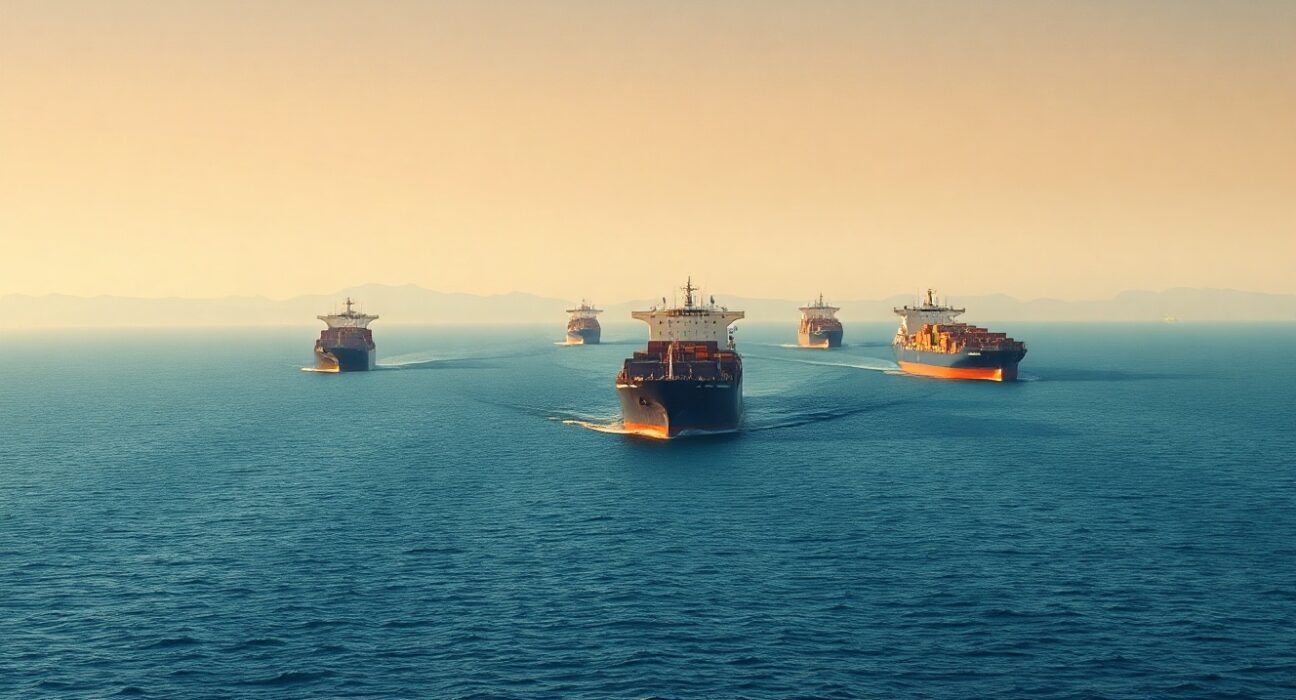
Iran has firmly stated that external intervention in the Strait of Hormuz is unnecessary and would only exacerbate existing tensions in the region. The remarks, delivered by Iranian Foreign Ministry Spokesperson Esmaeil Baghaei, underscore Tehran’s long-standing position that regional security matters should be managed by littoral states without outside interference.
Iran’s Position on Regional Security
Speaking during a weekly press briefing, Baghaei emphasized that the Islamic Republic views any foreign military or political involvement in the Strait of Hormuz as counterproductive. He argued that external actors risk complicating an already sensitive security environment and undermining the stability of one of the world’s most critical maritime chokepoints.
The Strait of Hormuz, connecting the Persian Gulf to the Gulf of Oman, handles roughly 20% of global oil consumption, making it a focal point for international energy security and geopolitical maneuvering. Iran has historically asserted its right to control and protect the waterway, which lies partly within its territorial waters.
Context of Recent Tensions
The statement comes amid heightened military activity in the region, including increased patrols by Western naval forces and ongoing diplomatic efforts to address maritime security concerns. In recent months, there have been several incidents involving the seizure of commercial vessels and confrontations between Iranian forces and international navies.
Baghaei’s comments appear to be a direct response to proposals by some Western nations for a multinational maritime coalition to ensure safe passage through the strait. Iran has consistently opposed such initiatives, viewing them as a pretext for foreign military presence near its borders.
Implications for Global Energy Markets
Any disruption to shipping through the Strait of Hormuz has immediate repercussions for global oil prices and energy supply chains. Market analysts have warned that even the perception of instability in the region can lead to price volatility. Iran’s insistence on managing the waterway without external involvement is therefore closely watched by traders, shipping companies, and governments reliant on Gulf oil exports.
The broader geopolitical context includes ongoing nuclear negotiations between Iran and world powers, as well as shifting alliances in the Middle East. Iran’s stance on the Strait of Hormuz is part of a larger strategy to assert regional influence and resist what it describes as foreign encroachment.
Conclusion
Iran’s rejection of external intervention in the Strait of Hormuz is a reaffirmation of its core foreign policy principles: regional autonomy, resistance to foreign military presence, and control over strategic waterways. While the statement may not immediately alter the security dynamics in the Gulf, it signals Tehran’s determination to remain the primary arbiter of maritime security in its vicinity. For the international community, the challenge lies in balancing freedom of navigation with respect for Iran’s stated red lines.
FAQs
Q1: Why is the Strait of Hormuz strategically important?
The Strait of Hormuz is a narrow waterway between the Persian Gulf and the Gulf of Oman through which about 20% of the world’s oil passes. It is a critical chokepoint for global energy supplies, making its security a matter of international concern.
Q2: What does Iran mean by ‘external intervention’?
Iran refers to any military or political involvement by non-regional powers, particularly Western nations, in the security or governance of the Strait of Hormuz. Tehran argues that such intervention undermines regional stability and violates its sovereignty.
Q3: How might Iran’s position affect global oil markets?
Iran’s firm stance could increase uncertainty about the safety of shipping routes, potentially leading to higher insurance premiums for tankers and short-term price spikes in oil markets. However, actual disruptions depend on the level of military tension and diplomatic outcomes.
Disclaimer: The information provided is not trading advice, Bitcoinworld.co.in holds no liability for any investments made based on the information provided on this page. We strongly recommend independent research and/or consultation with a qualified professional before making any investment decisions.
