

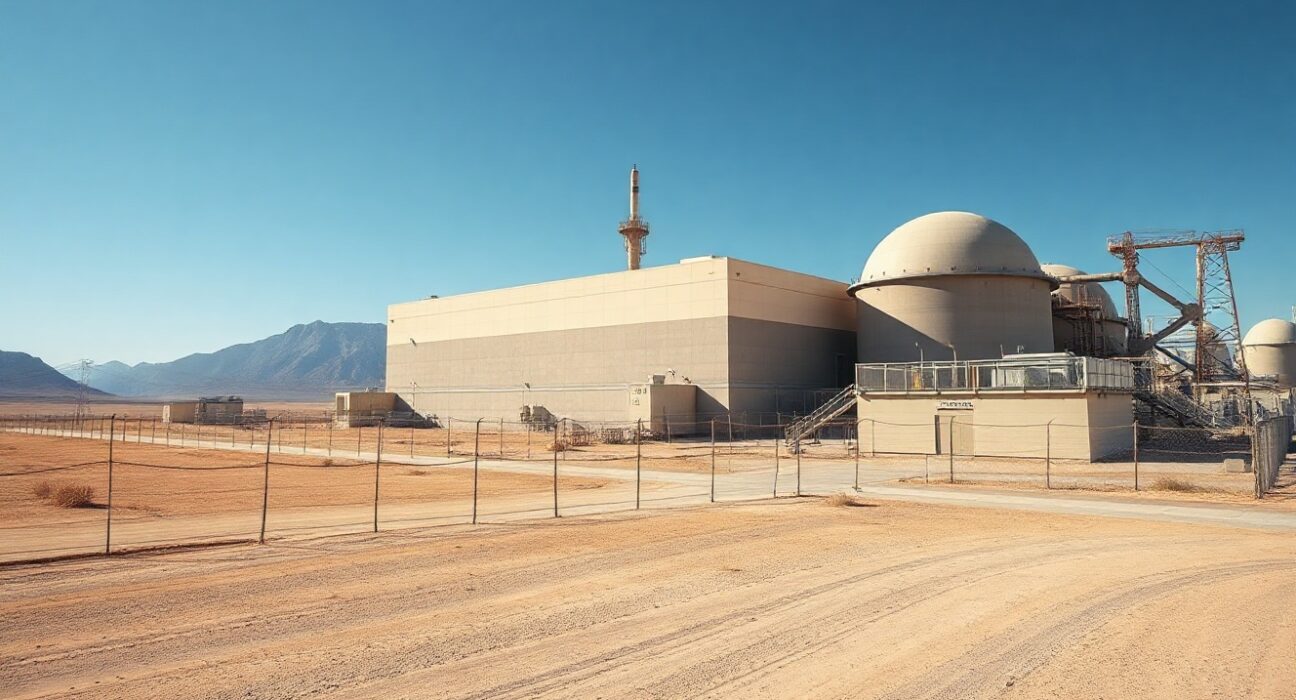
Iran has firmly ruled out allowing the International Atomic Energy Agency (IAEA) to access its nuclear facilities and inspect materials damaged in recent airstrikes, according to a senior Iranian diplomat. The statement, issued on June 24, signals a hardening of Tehran’s position ahead of any potential diplomatic resolution.
Diplomatic Exchange Rejected
Iranian Foreign Ministry Deputy Minister Gharibabadi took to social media to announce that Tehran had rejected a meeting request from IAEA Director General Rafael Grossi during the Iranian delegation’s stay in Switzerland. Gharibabadi emphasized that the current agenda of the Islamic Republic does not include permitting IAEA access to nuclear sites or verifying the condition of materials affected by military strikes.
“Such an agenda will only be considered and decided within the framework of a final agreement,” Gharibabadi wrote, adding that any such step is contingent on the other party taking practical measures to lift all sanctions. He warned that attempts to use media pressure to create a fait accompli and impose it on Iran would not succeed.
Context of the Stalemate
The rejection comes amid a prolonged standoff between Iran and the IAEA over monitoring and verification activities. Since the United States withdrew from the 2015 nuclear deal (JCPOA) in 2018 and reimposed sanctions, Iran has gradually rolled back its commitments, including restricting IAEA access to some sites. The IAEA has reported that it has been unable to verify the completeness of Iran’s nuclear declarations, particularly at locations where undeclared nuclear activities may have occurred.
Gharibabadi’s reference to “airstrikes” adds a new dimension to the dispute, suggesting that Iran is linking inspection access to damage assessment from recent military actions, though he did not specify which strikes. This development complicates the IAEA’s ability to confirm the peaceful nature of Iran’s nuclear program.
Implications for Nuclear Diplomacy
The Iranian position effectively ties any future IAEA inspections to a comprehensive agreement that includes the removal of all sanctions. This creates a high bar for diplomatic progress, as Western nations have insisted on full IAEA access as a prerequisite for sanctions relief. The statement also reflects Tehran’s view that media campaigns are being used to pressure it into unilateral concessions.
For global markets and regional security, the ongoing impasse raises the risk of further escalation. The IAEA’s Board of Governors could refer the issue to the United Nations Security Council, potentially leading to renewed international sanctions. Meanwhile, Iran’s enrichment activities continue, with the IAEA reporting that Iran has enriched uranium to levels approaching weapons-grade.
Conclusion
Iran’s categorical rejection of IAEA inspection requests, combined with its demand for a final agreement and full sanctions relief, signals a hardened stance that is likely to prolong the nuclear standoff. The coming weeks will test whether diplomatic channels can bridge the gap or whether the dispute will move toward further confrontation.
FAQs
Q1: Why did Iran reject the IAEA meeting request?
Iran stated that it has no plans to allow IAEA access to its nuclear facilities and materials damaged in airstrikes. It considers such access only possible within the framework of a final agreement that includes the lifting of all sanctions.
Q2: What does this mean for the nuclear deal?
The rejection complicates efforts to revive the 2015 nuclear agreement (JCPOA). Iran is linking inspection access to a broader deal and sanctions relief, while Western nations demand full IAEA access as a first step.
Q3: What are the potential consequences of this decision?
The IAEA may refer the issue to the UN Security Council, potentially leading to new sanctions. Iran’s continued enrichment activities, combined with restricted access, increase concerns about nuclear proliferation and regional instability.
Disclaimer: The information provided is not trading advice, Bitcoinworld.co.in holds no liability for any investments made based on the information provided on this page. We strongly recommend independent research and/or consultation with a qualified professional before making any investment decisions.
