

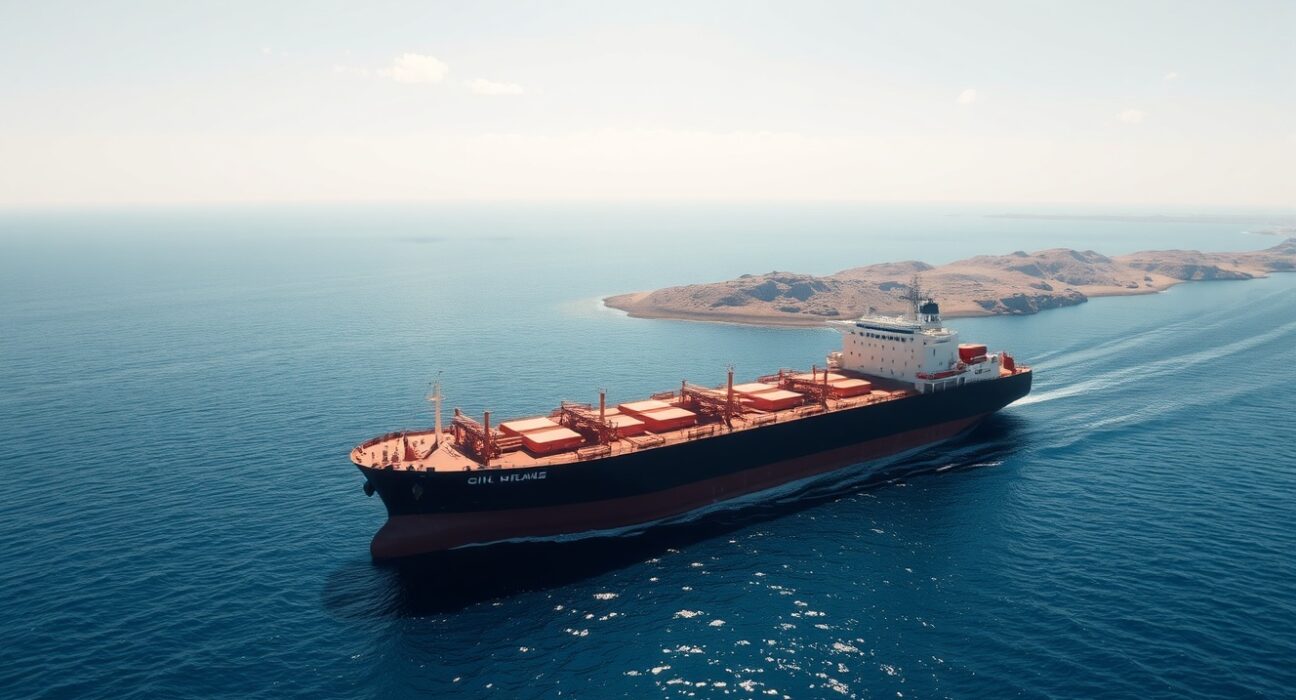
Iran has introduced new regulatory requirements for vessels transiting the Strait of Hormuz, a critical chokepoint for global oil shipments. According to a report by CNN, the new rules mandate that all ships complete a pre-application process before passage, a move that could have significant implications for international shipping and energy markets.
Details of the New Regulations
The specific requirements of the pre-application process remain under development, but the measure is framed by Iranian authorities as a step to ensure safe passage and enhance maritime security in the region. The Strait of Hormuz, connecting the Persian Gulf to the Gulf of Oman, sees the transit of approximately 20% of the world’s oil supply daily, making any regulatory change a matter of global economic concern.
Industry analysts note that while the rules are not an outright blockade, they introduce an additional bureaucratic layer that could slow shipping traffic. The timeline for implementation and the exact documentation required have not been fully detailed by Iranian officials, leading to uncertainty among shipping companies and insurers.
Geopolitical and Market Context
The announcement comes amid ongoing tensions between Iran and Western nations, particularly regarding Iran’s nuclear program and its regional military posture. The Strait of Hormuz has been a flashpoint in past confrontations, including incidents of tanker seizures and mine-laying operations. The new rules could be interpreted as an assertion of Iranian sovereignty over its territorial waters, though critics argue they may be used as leverage in broader diplomatic negotiations.
Global oil markets have historically reacted sharply to any disruption in the Strait. While no immediate price spikes were reported following the announcement, traders are monitoring the situation closely. The pre-application requirement may also affect maritime insurance premiums for vessels operating in the region, potentially increasing costs for shippers.
What This Means for International Shipping
Shipping companies that operate in the Persian Gulf are now assessing the operational impact. The pre-approval process could lead to delays, especially if the application system is not streamlined or if inspections are increased. The International Maritime Organization (IMO) has not yet issued a formal response, but member states are likely to seek clarifications through diplomatic channels.
For vessels not in compliance, the risk of detention or denial of passage could escalate tensions. The US Navy’s Fifth Fleet, based in Bahrain, has not commented on the new rules but maintains a presence in the region to ensure freedom of navigation.
Conclusion
Iran’s new pre-application rules for the Strait of Hormuz represent a significant development in maritime governance in a strategically vital waterway. While the full scope of the regulations is still emerging, the potential for operational delays and increased geopolitical friction is clear. Stakeholders in the shipping and energy sectors should prepare for possible adjustments to transit protocols and remain alert to further announcements from Iranian authorities.
FAQs
Q1: What are the new rules for the Strait of Hormuz?
Iran has introduced a pre-application process that vessels must complete before transiting the Strait of Hormuz. The exact details of the application and documentation are still being finalized.
Q2: Why is the Strait of Hormuz important?
The Strait is a narrow waterway through which about 20% of the world’s oil passes daily. Any disruption to shipping there can affect global oil prices and energy security.
Q3: How might these rules affect oil prices?
If the new rules cause significant delays or are seen as a precursor to stricter controls, oil prices could rise due to supply concerns. However, markets have not reacted strongly so far, as the rules are not an outright blockade.
Disclaimer: The information provided is not trading advice, Bitcoinworld.co.in holds no liability for any investments made based on the information provided on this page. We strongly recommend independent research and/or consultation with a qualified professional before making any investment decisions.
