

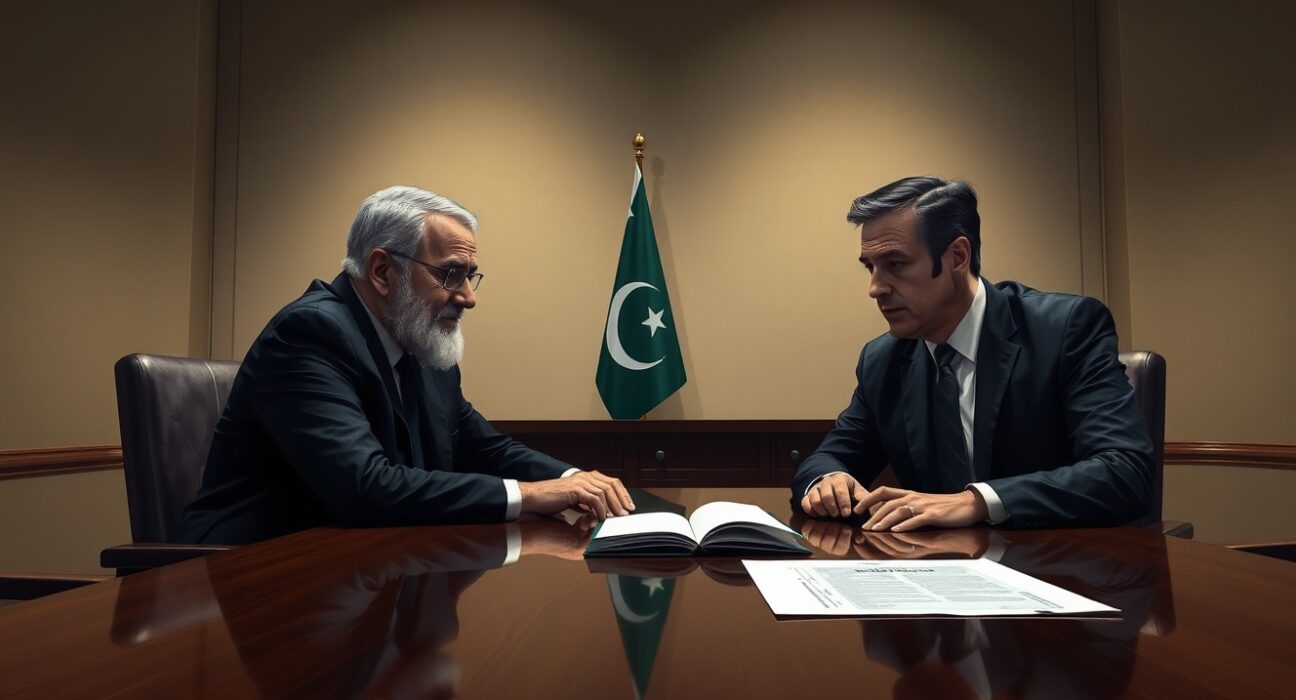
A senior Iranian diplomatic source reveals that a potential breakthrough in Iran-US talks could emerge as early as tonight or tomorrow. The source shared this timeline with Russian state news agency RIA Novosti on April 23. This development centers on ongoing negotiations in Pakistan.
Iran US Talks Breakthrough: A Critical Diplomatic Window
This announcement injects fresh urgency into the long-stalled nuclear diplomacy between Tehran and Washington. Both nations have engaged in indirect talks for months. Pakistan has served as a key intermediary. The Iranian source specifically stated that preparations for the negotiations in Pakistan are now complete. A final agreement could be reached within hours.
The exact location remains undisclosed. However, Islamabad has hosted multiple rounds of back-channel discussions. These talks aim to revive the 2015 Joint Comprehensive Plan of Action (JCPOA). The United States withdrew from the deal in 2018. Iran subsequently advanced its nuclear program beyond agreed limits.
Key details from the Iranian source:
- Timeline: Breakthrough expected within 24 to 48 hours.
- Venue: Pakistan, likely Islamabad.
- Status: Preparatory phase completed.
- Stakes: Potential return to JCPOA compliance.
This timeline aligns with earlier signals from European diplomats. They noted increased momentum in recent weeks. The breakthrough could involve a prisoner swap or a partial nuclear freeze. Analysts caution against premature optimism. Previous talks collapsed multiple times.
Context Behind the Iran Nuclear Negotiations
The Iran nuclear negotiations have a complex history. The JCPOA limited Iran’s uranium enrichment in exchange for sanctions relief. After the US withdrawal, Iran increased enrichment to 60% purity. This level approaches weapons-grade material. International inspectors confirm Iran’s compliance with its own declared limits. However, stockpiles grow.
The Biden administration seeks a diplomatic resolution. It faces domestic political constraints. Iran demands full sanctions removal. It also wants guarantees against future US withdrawals. Pakistan’s role as a mediator is strategic. It maintains close ties with both Iran and Saudi Arabia. It also has a working relationship with Washington.
Timeline of key events:
| Date | Event |
|---|---|
| 2015 | JCPOA signed |
| 2018 | US withdraws |
| 2021 | Talks resume in Vienna |
| 2023 | Pakistan mediates back-channels |
| 2025 | Potential breakthrough in Pakistan |
The current talks differ from earlier rounds. They are smaller and more discreet. This format reduces public pressure. It allows for greater flexibility. The Iranian source’s statement suggests a decisive moment.
Expert Analysis on the Diplomatic Process
Middle East analysts emphasize the significance of Pakistan’s role. Islamabad has hosted multiple secret meetings. It provides a neutral ground. Both Iran and the US trust Pakistani intermediaries. This trust is crucial for sensitive discussions.
Dr. Fatima Alavi, a geopolitical risk consultant, notes: “Pakistan’s involvement changes the dynamic. It offers a face-saving mechanism for both sides. A breakthrough here would be a major diplomatic win for Pakistan.” She adds that the timeline is aggressive. It reflects a shared sense of urgency.
The US State Department has not confirmed the report. It maintains a policy of not commenting on private diplomacy. Iran’s Foreign Ministry also remains silent. This silence is typical. Both sides prefer to announce results after they are finalized.
Global Impact of a Potential Breakthrough
A successful breakthrough in Iran-US talks would reshape global energy markets. Iran holds the world’s fourth-largest oil reserves. Sanctions currently restrict its exports. A deal could release millions of barrels per day. This would lower global oil prices. It would also reduce inflationary pressures.
Regional security would improve. Iran’s proxies in Yemen, Lebanon, and Iraq might de-escalate. Saudi Arabia and Israel would watch closely. Both nations have concerns about Iran’s nuclear program. A verified deal could ease tensions. It could also open the door for broader regional cooperation.
Potential effects of a breakthrough:
- Oil markets: Prices could drop 10-15% within weeks.
- Middle East stability: Reduced risk of conflict.
- Nuclear non-proliferation: Strengthened global norms.
- US-Iran relations: Potential for direct talks.
The International Atomic Energy Agency (IAEA) would likely verify any agreement. Its inspectors already monitor Iran’s facilities. A deal would require enhanced monitoring. This would rebuild confidence in Iran’s peaceful intentions.
Challenges and Risks Ahead
Despite the optimistic signal, significant hurdles remain. Hardliners in both countries oppose a deal. Iranian conservatives distrust the US. US hawks demand a more comprehensive agreement. These political forces could derail progress.
The timeline is also tight. A breakthrough tonight or tomorrow requires final agreement on all major points. This includes enrichment levels, sanctions relief, and verification mechanisms. Past negotiations took months to resolve such details. The current speed suggests a limited scope. It may address only the most urgent issues.
Iran’s nuclear advances complicate matters. It now operates advanced centrifuges. It has enriched uranium to 60%. Rolling back these capabilities is technically challenging. It is also politically sensitive for Tehran. Any deal must balance these realities.
Conclusion
The Iran US talks breakthrough reported by an Iranian source represents a pivotal moment in international diplomacy. With a potential agreement emerging within 24 to 48 hours, the world watches closely. Pakistan’s mediation role proves critical. The outcome will affect energy markets, regional security, and global non-proliferation efforts. While challenges persist, the current window of opportunity is rare. A successful negotiation could reset US-Iran relations for years to come. Stay informed as this story develops.
FAQs
Q1: What is the potential breakthrough in Iran-US talks?
A1: An Iranian diplomatic source told RIA Novosti that preparations for negotiations in Pakistan could yield a breakthrough as early as tonight or tomorrow. The exact terms remain undisclosed, but it likely involves nuclear and sanctions issues.
Q2: Where are the Iran-US negotiations taking place?
A2: The negotiations are reportedly taking place in Pakistan, with Islamabad as the likely host city. Pakistan has been acting as a mediator between Tehran and Washington.
Q3: Why is Pakistan mediating the Iran-US talks?
A3: Pakistan maintains strong diplomatic ties with both Iran and the United States. It offers a neutral venue and trusted intermediaries, making it an effective facilitator for sensitive back-channel discussions.
Q4: What could a breakthrough mean for oil prices?
A4: A successful deal could lead to the lifting of sanctions on Iranian oil exports. This would increase global supply and potentially lower oil prices by 10-15% in the short term.
Q5: Is this related to the 2015 Iran nuclear deal (JCPOA)?
A5: Yes, the talks aim to revive or replace key elements of the JCPOA. The US withdrew from the deal in 2018, and Iran subsequently advanced its nuclear program. A breakthrough could lead to a return to compliance.
Disclaimer: The information provided is not trading advice, Bitcoinworld.co.in holds no liability for any investments made based on the information provided on this page. We strongly recommend independent research and/or consultation with a qualified professional before making any investment decisions.
