
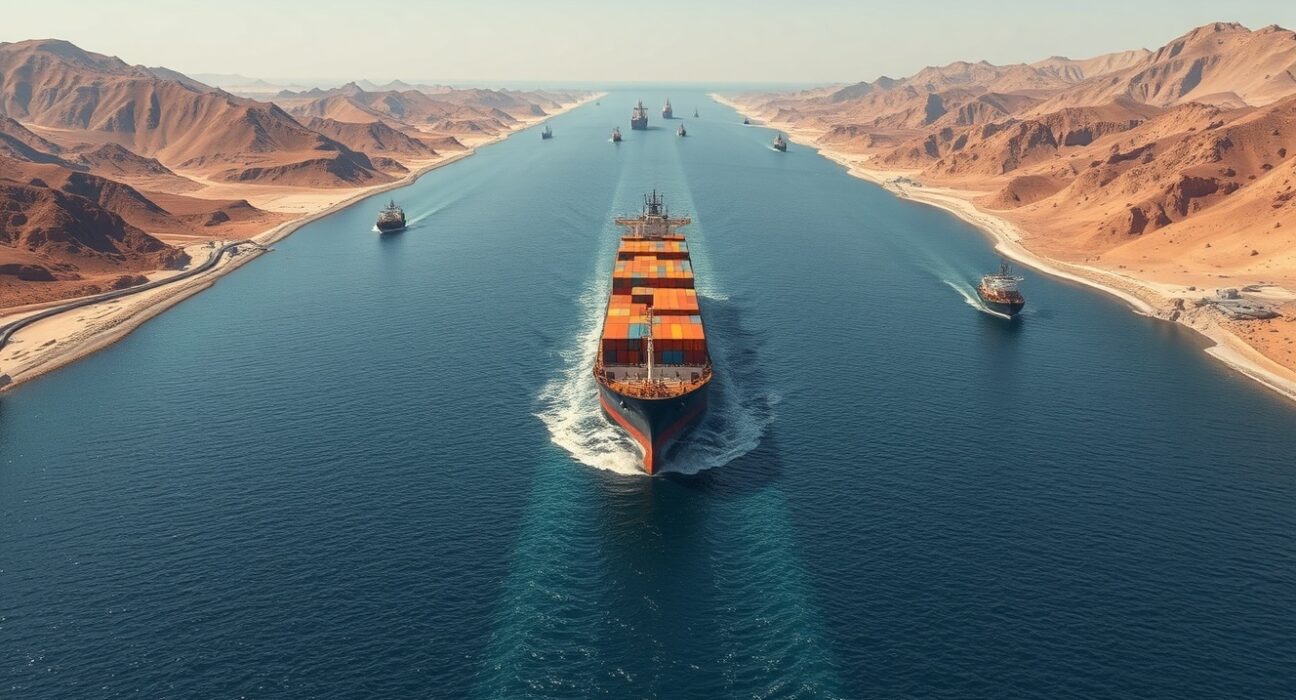
TEHRAN, April 10, 2025 – Iran has established a firm precondition for diplomatic engagement with the United States, explicitly ruling out negotiations until a comprehensive ceasefire takes effect in Lebanon. This significant development emerges alongside Tehran’s continued blockade of the strategic Strait of Hormuz, a critical global oil transit corridor. According to sources cited by Iranian state media, the maritime closure persists based on statistical monitoring and on-site observations, directly linking the shipping lane’s status to the resolution of hostilities in Lebanon.
Iran’s Strategic Demands and the Lebanon Connection
Iranian officials have consistently framed regional conflicts through a lens of interconnected security. The current stance on Lebanon represents a calculated diplomatic maneuver. Consequently, Tehran positions itself as a regional power demanding respect for its security concerns. The linkage between Lebanon’s stability and U.S.-Iran relations is not arbitrary. Historically, Iran maintains substantial influence in Lebanon through its support for Hezbollah. Therefore, a ceasefire there directly impacts Tehran’s strategic interests and regional standing.
Analysts note this precondition serves multiple purposes. Primarily, it tests Washington’s commitment to de-escalation across multiple Middle Eastern theaters. Additionally, it strengthens Iran’s bargaining position by addressing what it perceives as U.S.-backed regional pressure. The demand also resonates with domestic audiences, showcasing a government defending allied movements abroad.
Historical Context of U.S.-Iran Negotiations
Diplomatic relations between Iran and the United States have remained fraught for decades. Key negotiation periods include the 2015 Joint Comprehensive Plan of Action (JCPOA) and subsequent attempts at revival. The current impasse over Lebanon introduces a new, complex variable. Previous talks often focused narrowly on nuclear capabilities. Now, regional proxy conflicts take center stage, making resolution considerably more difficult.
The Strait of Hormuz: A Global Economic Pressure Point
The reported blockade of the Strait of Hormuz represents one of the most consequential actions in global shipping. This narrow sea passage between the Persian Gulf and the Gulf of Oman facilitates the transit of approximately 21 million barrels of oil daily. That figure represents nearly 20% of global petroleum consumption. The source’s reference to “statistics and on-site monitoring from the morning of April 10” indicates a methodical, enforced closure.
Maritime traffic through the strait typically follows strict protocols. The current disruption has immediate global repercussions:
- Energy Markets: Oil prices exhibit volatility, with Brent crude experiencing sharp fluctuations.
- Shipping Insurance: Premiums for vessels navigating the region have skyrocketed.
- Alternative Routes: Some tankers reroute via longer, costlier paths around Africa.
- Strategic Reserves: Major consuming nations may consider releasing petroleum reserves.
The following table illustrates the strait’s critical importance:
| Metric | Figure | Global Share |
|---|---|---|
| Oil Transit (Barrels/Day) | ~21 million | ~20% |
| Liquefied Natural Gas Transit | ~30% of global trade | Substantial |
| Daily Tanker Traffic | Approximately 100 vessels | N/A |
| Width at Narrowest Point | 21 nautical miles | N/A |
Military and Security Dimensions
Iran’s Islamic Revolutionary Guard Corps (IRGC) Navy maintains significant asymmetric capabilities in the Persian Gulf. These include fast attack craft, anti-ship missiles, and naval mines. A sustained blockade demonstrates Tehran’s ability to project power and control chokepoints. However, such actions also risk military escalation. The United States Fifth Fleet, based in Bahrain, consistently conducts freedom of navigation operations. Consequently, the potential for miscalculation or incident remains high.
Regional Implications and the Path Forward
The linkage between Lebanon and the Strait of Hormuz creates a multifaceted regional crisis. First, it places immense pressure on Lebanese factions and their international backers to secure a truce. Second, it forces global powers to weigh energy security against diplomatic strategy. Third, it potentially unifies various Iranian foreign policy objectives under a single, leveraged demand.
International reactions have been swift yet measured. The United Nations Secretary-General has called for restraint and the immediate reopening of vital sea lanes. Concurrently, the European Union is reportedly exploring diplomatic channels to address both the maritime and ceasefire issues separately. Gulf Cooperation Council (GCC) states, heavily dependent on Hormuz transit, are likely engaging in urgent behind-the-scenes diplomacy.
Expert analysis suggests several potential outcomes. A breakthrough in Lebanon could provide the off-ramp Tehran needs to lift the blockade and engage Washington. Alternatively, prolonged stalemate might lead to increased naval patrols and further market instability. A third, less likely scenario involves unilateral action by a coalition to secure the strait, a move fraught with peril.
Economic Impact Analysis
Beyond immediate oil prices, the blockade disrupts global supply chains. Many container ships carrying consumer goods also traverse the Strait of Hormuz. Extended closure could lead to shortages and increased costs for electronics, automotive parts, and other manufactured goods. Central banks worldwide now monitor the situation for inflationary pressures. Furthermore, energy-dependent industries in Asia and Europe face significant uncertainty, potentially slowing economic growth.
Conclusion
Iran’s dual strategy of demanding a Lebanon ceasefire while maintaining the Strait of Hormuz blockade represents a high-stakes geopolitical gambit. This approach directly links regional conflict resolution to global economic stability. The situation underscores the interconnected nature of modern security and energy markets. Resolution requires nuanced diplomacy that addresses both the immediate humanitarian crisis in Lebanon and the urgent need to reopen a critical maritime artery. The world now watches to see whether this pressure tactic will force negotiations or deepen an already volatile standoff. The path forward remains uncertain, but the consequences of inaction are clear and global.
FAQs
Q1: Why is Iran linking talks with the U.S. to a ceasefire in Lebanon?
Iran views Lebanon’s stability as integral to its regional security framework. By making this demand, Tehran aims to address what it perceives as U.S. involvement in conflicts affecting its allies, thereby strengthening its diplomatic position and demonstrating support for Hezbollah.
Q2: How significant is the Strait of Hormuz to global oil supplies?
The Strait of Hormuz is critically important, facilitating the transit of roughly 20% of the world’s daily oil consumption, or about 21 million barrels. Its closure has immediate and severe impacts on global energy prices and market stability.
Q3: What are the military risks associated with the blockade?
The blockade increases the risk of naval incidents between Iranian forces and U.S. or allied warships patrolling the area. Such encounters could quickly escalate, given the tense environment and the presence of advanced military assets on all sides.
Q4: How are other countries responding to this situation?
Responses include diplomatic calls for restraint from the UN, urgent consultations within the EU, and likely behind-the-scenes outreach by GCC states. Major oil-consuming nations are also assessing their strategic petroleum reserves and supply chain alternatives.
Q5: Could this blockade lead to a wider regional conflict?
While possible, most analysts consider a wider regional war unlikely in the immediate term. All parties recognize the extreme costs. However, prolonged blockage increases the chance of miscalculation, making diplomatic resolution increasingly urgent.
Disclaimer: The information provided is not trading advice, Bitcoinworld.co.in holds no liability for any investments made based on the information provided on this page. We strongly recommend independent research and/or consultation with a qualified professional before making any investment decisions.