
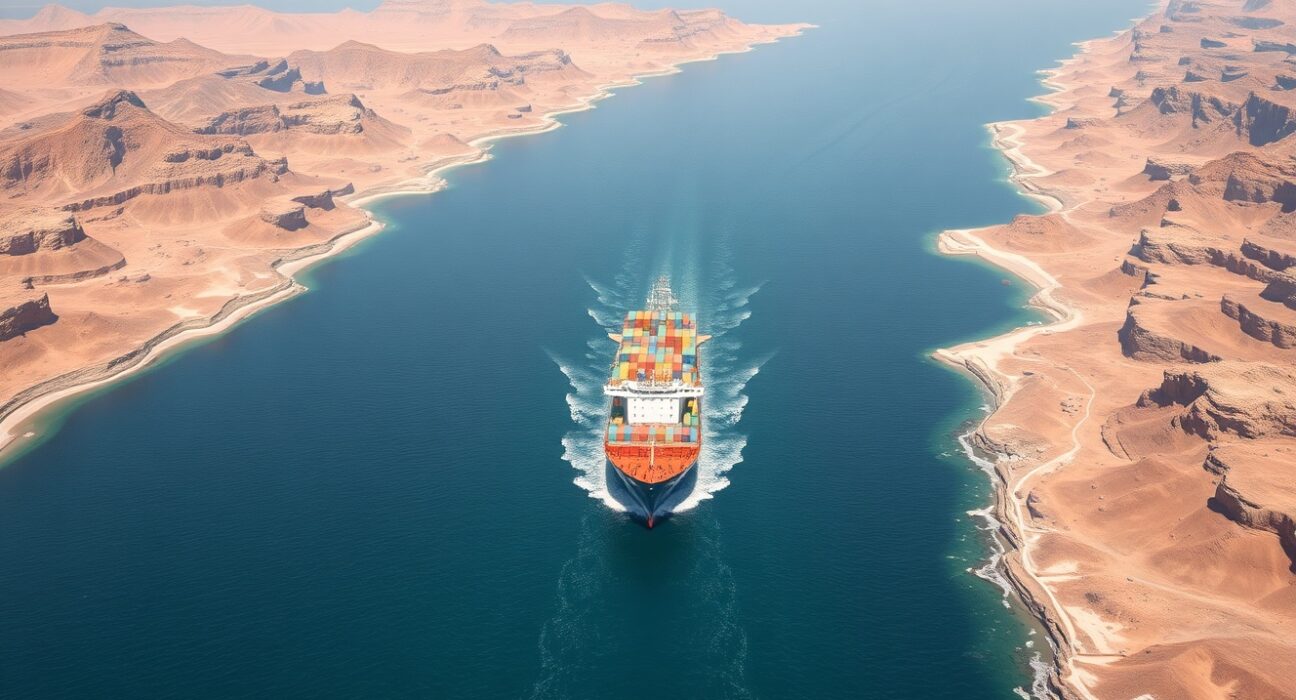
In a decisive move for global maritime security, Japanese Prime Minister Sanae Takaichi directly requested Iranian President Masoud Pezeshkian to guarantee the safety of all vessels transiting the critical Strait of Hormuz. This high-level diplomatic engagement, occurring on April 8, follows a landmark ceasefire agreement between Iran and the United States, signaling a potential shift in regional stability and energy corridor security.
Strait of Hormuz Safety Takes Center Stage in Diplomatic Call
The 25-minute phone conversation, reported by Japan’s public broadcaster NHK, primarily addressed the recent U.S.-Iran ceasefire and broader de-escalation efforts. Consequently, Prime Minister Takaichi emphasized the paramount importance of safe passage through the Strait of Hormuz. She explicitly urged Iran to ensure the security of commercial shipping in this vital waterway. Furthermore, the Japanese leader expressed a strong hope for a swift and final diplomatic resolution to ongoing regional tensions.
This request carries immense weight due to the strait’s role as the world’s most important oil transit chokepoint. Approximately 21 million barrels of oil pass through daily, representing nearly a third of global seaborne traded oil. Japan, as a resource-poor island nation, is exceptionally vulnerable to disruptions here. The country imports over 90% of its crude oil from the Middle East, with most transiting this narrow passage.
Geopolitical Context and Regional Tensions
The timing of this request is highly significant. It arrives during a fragile diplomatic window opened by the ceasefire. For years, the strait has been a flashpoint, with incidents involving tanker seizures, attacks, and heightened military patrols. Japan maintains a delicate balancing act, preserving crucial energy ties with Middle Eastern producers while aligning with Western security partners.
Historically, Japan has pursued a neutral and energy-focused diplomacy in the region. However, recent instability has forced a more proactive stance. The table below outlines key recent incidents affecting shipping security in the Strait of Hormuz:
| Year | Incident | Impact |
|---|---|---|
| 2019 | Attacks on multiple tankers | Spiked oil prices, increased war risk insurance |
| 2021 | Iranian seizure of a South Korean tanker | Diplomatic crisis, highlighted legal ambiguities |
| 2023 | Increased UAV and missile activity near waterways | Forced rerouting, longer transit times |
| 2024 | U.S.-Iran indirect negotiations begin | Reduced overt hostilities, created diplomatic space |
Expert Analysis on Maritime Security and Diplomacy
Maritime security analysts note Japan’s request reflects a broader global concern. “The Strait of Hormuz is not just a regional issue; it’s a global economic artery,” explains Dr. Kenji Tanaka, a professor of international relations at Tokyo University. “Japan’s intervention is pragmatic. It leverages its historically non-confrontational relationship with Iran to advocate for universal principles of freedom of navigation. This is a classic example of economic security driving diplomacy.”
Moreover, the call underscores the interconnected nature of diplomacy and trade. A stable Hormuz benefits all energy-importing nations in East Asia, including China and South Korea. Therefore, Japan’s actions, while serving its national interest, also support regional and global economic stability. The ceasefire provides a rare opportunity to embed shipping safety guarantees into a wider framework for lasting peace.
Economic Impacts and Global Energy Security
Any threat to transit through the strait immediately reverberates through global markets. Insurance premiums for vessels skyrocket. Shipping companies may reroute tankers around the Arabian Peninsula, adding weeks to journeys and millions in costs. Ultimately, these costs translate to higher energy prices for consumers and industries worldwide.
For Japan, the stakes are existential. The nation’s energy mix relies heavily on imported LNG and crude oil. Key impacts of a disruption include:
- Immediate price volatility in crude oil benchmarks like Brent and WTI.
- Strategic stockpile drawdowns from national reserves, which hold at least 90 days of net imports.
- Industrial slowdowns as manufacturing and transportation costs rise.
- Renewed urgency in long-term strategies for energy diversification and renewables.
Thus, Prime Minister Takaichi’s call is a direct defense of Japan’s economic security. It proactively seeks assurances during a period of diplomatic thaw, aiming to lock in commitments before potential future tensions arise.
Conclusion
Japan’s direct appeal to Iran for guaranteed Strait of Hormuz safety marks a critical moment in post-ceasefire diplomacy. It highlights the inseparable link between geopolitical stability and global economic security. While the path to a final resolution remains complex, this high-level dialogue establishes a clear priority: securing the world’s most vital maritime chokepoint. The international community will closely watch Iran’s response, as it will serve as a key indicator of the ceasefire’s durability and its tangible benefits for global trade.
FAQs
Q1: Why is the Strait of Hormuz so important to Japan?
Japan imports over 90% of its crude oil, primarily from the Middle East. Most of these imports must pass through the Strait of Hormuz, making its security a direct matter of national economic stability and energy security.
Q2: What was the context of the phone call between Japan and Iran?
The call occurred shortly after a reported ceasefire agreement between Iran and the United States. Discussions centered on that agreement, de-escalation in the Middle East, and specifically, the safety of maritime commerce.
Q3: Has Japan been involved in Strait of Hormuz security before?
Yes. In 2020, Japan deployed a destroyer and patrol aircraft to the region for intelligence-gathering missions, following similar moves by European allies, to help protect Japanese-flagged vessels.
Q4: What happens if the Strait of Hormuz is blocked?
A full blockade is unlikely, but even heightened threats cause massive oil price spikes, increased shipping costs, and potential global economic slowdown. Tankers would need to use longer, costlier alternate routes.
Q5: How do other countries view Japan’s diplomatic role in this issue?
Many energy-importing nations view Japan as a credible, neutral mediator due to its historical ties with Iran and its reliance on peaceful diplomacy. Its advocacy for shipping safety aligns with broader international law and commercial interests.
Disclaimer: The information provided is not trading advice, Bitcoinworld.co.in holds no liability for any investments made based on the information provided on this page. We strongly recommend independent research and/or consultation with a qualified professional before making any investment decisions.