

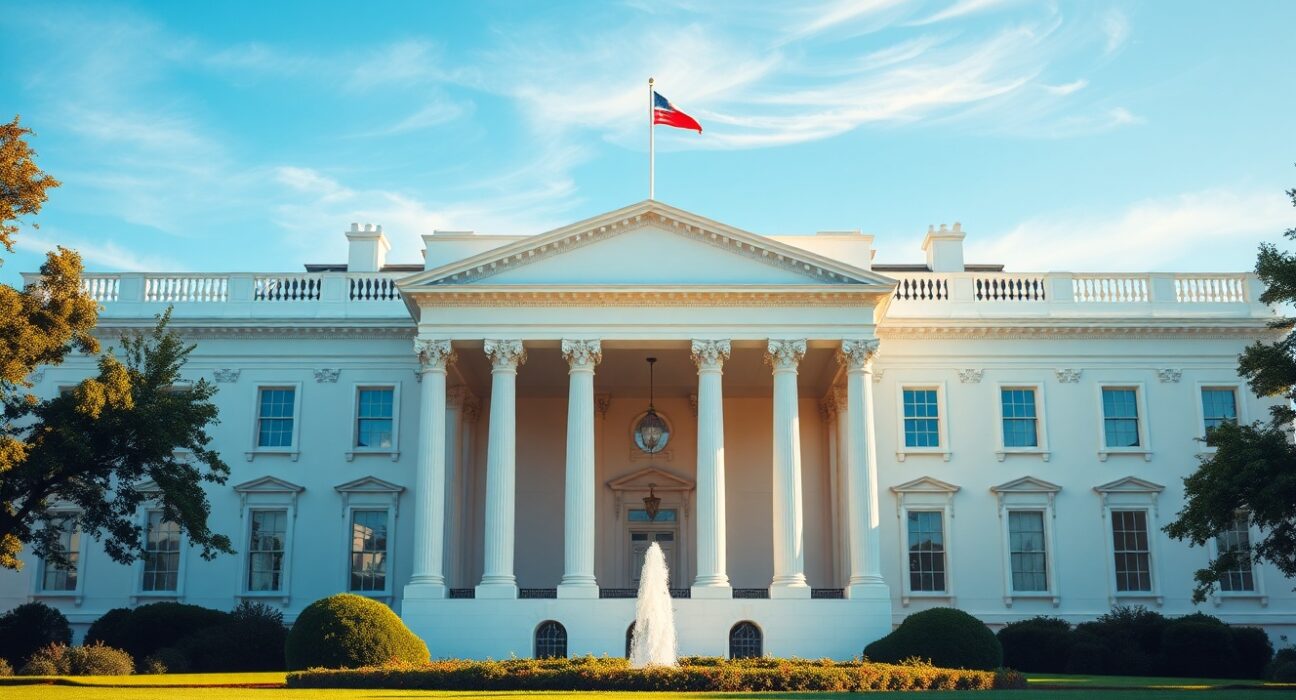
The White House has expressed strong confidence that the Senate will act swiftly to confirm Kevin Warsh as the next chairman of the Federal Reserve. This announcement signals a key step in shaping U.S. monetary policy for the coming years. The administration believes Warsh’s experience and expertise make him a suitable leader for the central bank.
White House Confident in Kevin Warsh Fed Chair Nomination
Senior White House officials have privately and publicly stated their belief that the confirmation process for Kevin Warsh will proceed without significant delays. They point to his previous service as a Federal Reserve governor and his deep understanding of financial markets. The administration expects bipartisan support for the nomination.
Kevin Warsh served as a Federal Reserve governor from 2006 to 2011. During this period, he played a key role during the 2008 financial crisis. His experience includes advising on emergency lending programs and regulatory reforms. This background provides him with a unique perspective on crisis management.
The White House views Warsh as a steady hand who can navigate current economic challenges. These include persistent inflation, fluctuating interest rates, and global economic uncertainty. His nomination represents a strategic choice to maintain policy continuity.
Senate Confirmation Process for Warsh
The Senate Banking Committee will first hold hearings on the nomination. This committee reviews the candidate’s qualifications and policy views. Following the hearing, the full Senate will vote on the confirmation. A simple majority is required for approval.
Senate Majority Leader has indicated a willingness to schedule the vote quickly. Several key senators from both parties have already expressed positive views about Warsh. However, some progressive members may raise questions about his Wall Street ties.
Warsh worked at Morgan Stanley before his Fed service. He also served as a lecturer at Stanford University. These roles give him a blend of practical and academic experience. Critics may focus on his connections to large financial institutions.
Timeline for Confirmation
The White House aims to complete the confirmation process within 60 days. This timeline would allow Warsh to assume the chairmanship by mid-year. The current Fed Chair Jerome Powell’s term ends in early 2026. A smooth transition is critical for market stability.
Market participants are watching the process closely. A swift confirmation would reduce uncertainty. Delays could lead to volatility in bond and currency markets. The White House is working to avoid any extended confirmation battles.
Impact of Kevin Warsh Fed Chair on Monetary Policy
Kevin Warsh is known for his hawkish views on inflation. He has advocated for a more aggressive approach to interest rate hikes. This stance contrasts with some current Fed members who favor a slower pace. His leadership could signal a shift toward tighter monetary policy.
Warsh has also spoken about the need for regulatory reform. He believes the Fed should streamline its oversight of banks. This could reduce compliance costs for financial institutions. However, it may also raise concerns about financial stability.
His approach to the Fed’s dual mandate is also noteworthy. The mandate requires balancing maximum employment with price stability. Warsh has emphasized the importance of controlling inflation. He views it as the primary threat to long-term economic health.
Comparison with Current Fed Leadership
Current Chair Jerome Powell has taken a more moderate approach. He has focused on data-dependent rate decisions. Warsh may push for a more preemptive strategy. This difference could lead to changes in the Fed’s communication style.
The Fed’s forward guidance may become more explicit under Warsh. He values clear communication with markets. This could reduce surprises during policy announcements. Investors may find his statements easier to interpret.
| Aspect | Current Approach (Powell) | Potential Approach (Warsh) |
|---|---|---|
| Inflation Focus | Moderate, data-dependent | Hawkish, preemptive |
| Regulatory Stance | Balanced, cautious | Reform-oriented, streamlined |
| Communication Style | Measured, gradual | Explicit, direct |
Market Reactions to the Nomination
Financial markets have responded positively to the news. The U.S. dollar strengthened slightly following the announcement. Bond yields also rose, reflecting expectations of tighter policy. Stock markets showed mixed reactions, with financial sector stocks gaining.
Analysts believe Warsh’s nomination is a net positive for the economy. His experience during the 2008 crisis is seen as an asset. Investors trust his ability to handle complex financial situations. This confidence supports market stability.
However, some economists express caution. They note that Warsh’s hawkish stance could slow economic growth. Higher interest rates may dampen consumer spending and business investment. The impact on the housing market could be particularly significant.
Global Implications
The nomination also has international implications. The Fed’s policies affect global capital flows and exchange rates. A more hawkish Fed could strengthen the dollar further. This may create challenges for emerging market economies.
Central banks around the world will watch the confirmation process. They will adjust their own policies based on the new Fed direction. Coordination among major central banks may become more important. Warsh has experience working with international financial institutions.
Background of Kevin Warsh
Kevin Warsh was born in 1970 in New York. He earned a law degree from Harvard Law School. He also holds a degree in history from Stanford University. His academic background is strong, though he is not a traditional economist.
He served as a special assistant to President George W. Bush. This role involved economic policy coordination. He later joined the Federal Reserve Board of Governors. His tenure included the most severe financial crisis since the Great Depression.
After leaving the Fed, Warsh became a lecturer at Stanford. He also served on the boards of several companies. These include Chevron and the Hoover Institution. His post-Fed career has kept him connected to policy debates.
Criticism and Support
Supporters highlight his crisis management skills. They argue he understands the pressures of financial emergencies. Critics point to his lack of a PhD in economics. They question whether he has the academic rigor for the role.
The White House defends his qualifications. Officials note that many successful Fed chairs came from legal backgrounds. Paul Volcker, for example, was not a traditional economist. The administration believes practical experience is equally valuable.
Conclusion
The White House’s confidence in a swift Senate confirmation for Kevin Warsh as Fed Chair reflects a strategic push for stability. His nomination brings a mix of experience and hawkish policy views. The coming weeks will reveal whether the Senate agrees with this assessment. The outcome will shape U.S. monetary policy for years to come. Markets and global economies are watching closely.
FAQs
Q1: Who is Kevin Warsh?
Kevin Warsh is a former Federal Reserve governor nominated to become the next Fed Chair. He served from 2006 to 2011 and played a key role during the 2008 financial crisis.
Q2: Why is the White House confident about his confirmation?
The White House believes Warsh has bipartisan support due to his experience and moderate policy views. They expect the Senate to move quickly to avoid economic uncertainty.
Q3: How will Warsh’s leadership affect interest rates?
Warsh is considered hawkish on inflation, meaning he may favor higher interest rates to control price increases. This could lead to tighter monetary policy compared to the current approach.
Q4: When will the Senate vote on the nomination?
The timeline is uncertain, but the White House aims for a vote within 60 days. The Senate Banking Committee will hold hearings first, followed by a full Senate vote.
Q5: What are the main criticisms of Kevin Warsh?
Critics question his lack of a PhD in economics and his ties to Wall Street. Some progressives worry he may favor deregulation over consumer protection.
Disclaimer: The information provided is not trading advice, Bitcoinworld.co.in holds no liability for any investments made based on the information provided on this page. We strongly recommend independent research and/or consultation with a qualified professional before making any investment decisions.
