

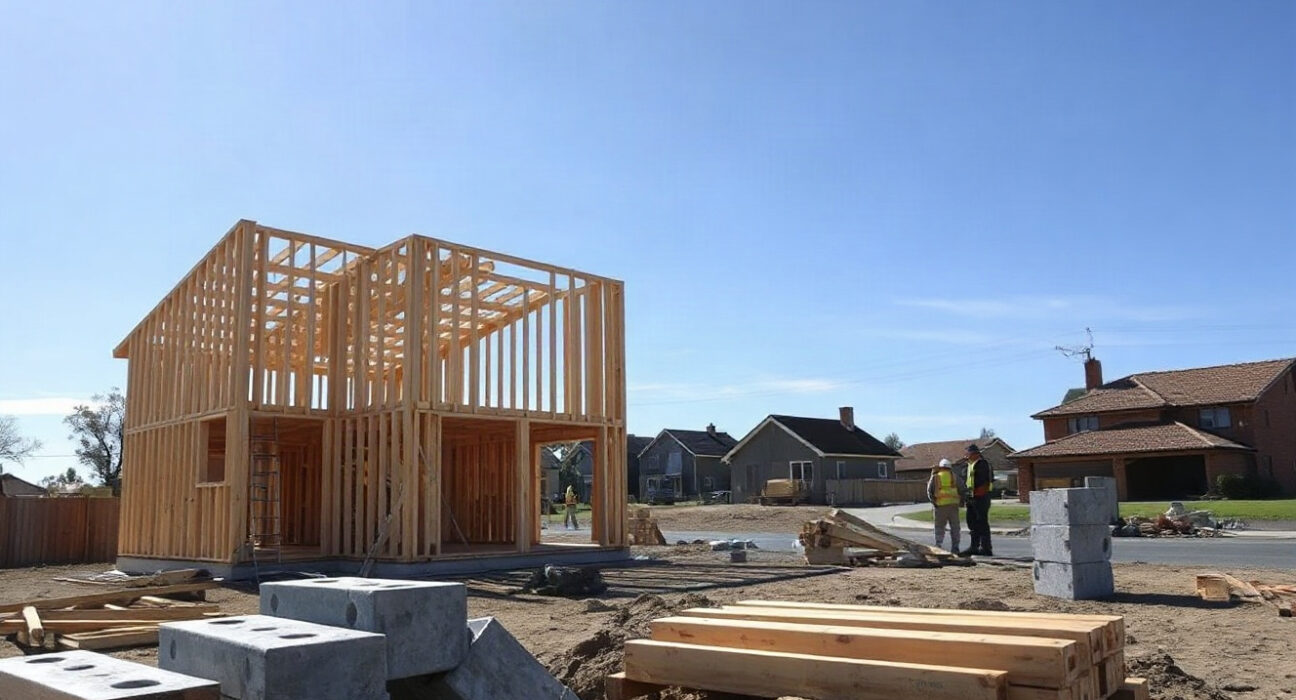
New Zealand’s seasonally adjusted building permits fell 4.3% month-on-month in July, a sharper decline than the revised 3.6% drop in June, according to official data released today. The contraction points to continued softening in the construction pipeline, with residential approvals leading the downturn.
What the latest data shows
The monthly decline in July follows a revised 3.6% fall in June, indicating that the slowdown is gaining momentum. On an annual basis, the number of new dwelling consents issued in the year ended July was down approximately 17% compared with the previous year, reflecting tighter credit conditions and reduced housing demand.
Breaking down the figures, standalone houses saw a 5.2% month-on-month drop, while multi-unit dwellings, including apartments and townhouses, fell 3.1%. The decline was broad-based across most regions, with Auckland, Canterbury, and Waikato all reporting fewer consents.
Why this matters for the economy
Building permits are a leading indicator of future construction activity, so the persistent decline suggests that the sector will continue to drag on economic growth in the coming quarters. The construction industry accounts for around 7% of New Zealand’s GDP and employs over 250,000 people, making it a key barometer of domestic demand.
The downturn is largely attributed to high interest rates, which have cooled the housing market and made new developments less viable. Additionally, elevated construction costs and labor shortages have further dampened activity. According to the New Zealand Institute of Economic Research, construction costs rose 8.4% in the year to June, outpacing overall inflation.
Impact on housing supply and affordability
The reduction in new consents could worsen housing affordability in the medium term, as supply growth slows while population growth continues. Although house prices have fallen from their 2021 peak, they remain elevated relative to incomes, and the shortage of new homes is a persistent structural issue.
Government initiatives aimed at boosting housing supply, such as the National Policy Statement on Urban Development, may face headwinds as developers delay projects due to uncertain demand and financing costs.
What to watch next
Economists will be closely monitoring the August data to see if the decline stabilizes or deepens. Some analysts expect the Reserve Bank of New Zealand to begin cutting interest rates in early 2025, which could revive construction activity later that year. However, any recovery is likely to be gradual, given the lag between rate changes and actual building starts.
For now, the construction sector remains under pressure, and the July permits data reinforces the view that the economy is still in a cooling phase.
Conclusion
New Zealand’s building permits fell for a second consecutive month in July, with the pace of decline accelerating. The data underscores the challenges facing the construction sector amid high borrowing costs and weak housing demand. While rate cuts may eventually provide relief, the near-term outlook remains subdued.
FAQs
Q1: What does a month-on-month decline in building permits mean?
A month-on-month decline in building permits indicates that fewer new construction projects were approved compared to the previous month. It is a leading indicator of future construction activity and economic health.
Q2: Why are building permits important for the economy?
Building permits reflect the level of planned construction, which influences employment, investment, and demand for building materials. A sustained decline can signal a slowdown in economic growth.
Q3: How does the decline in permits affect housing prices?
Fewer permits typically lead to reduced housing supply in the future, which can put upward pressure on prices if demand remains steady. However, the current decline is also accompanied by weak demand due to high interest rates, which may temper price effects.
Disclaimer: The information provided is not trading advice, Bitcoinworld.co.in holds no liability for any investments made based on the information provided on this page. We strongly recommend independent research and/or consultation with a qualified professional before making any investment decisions.
