

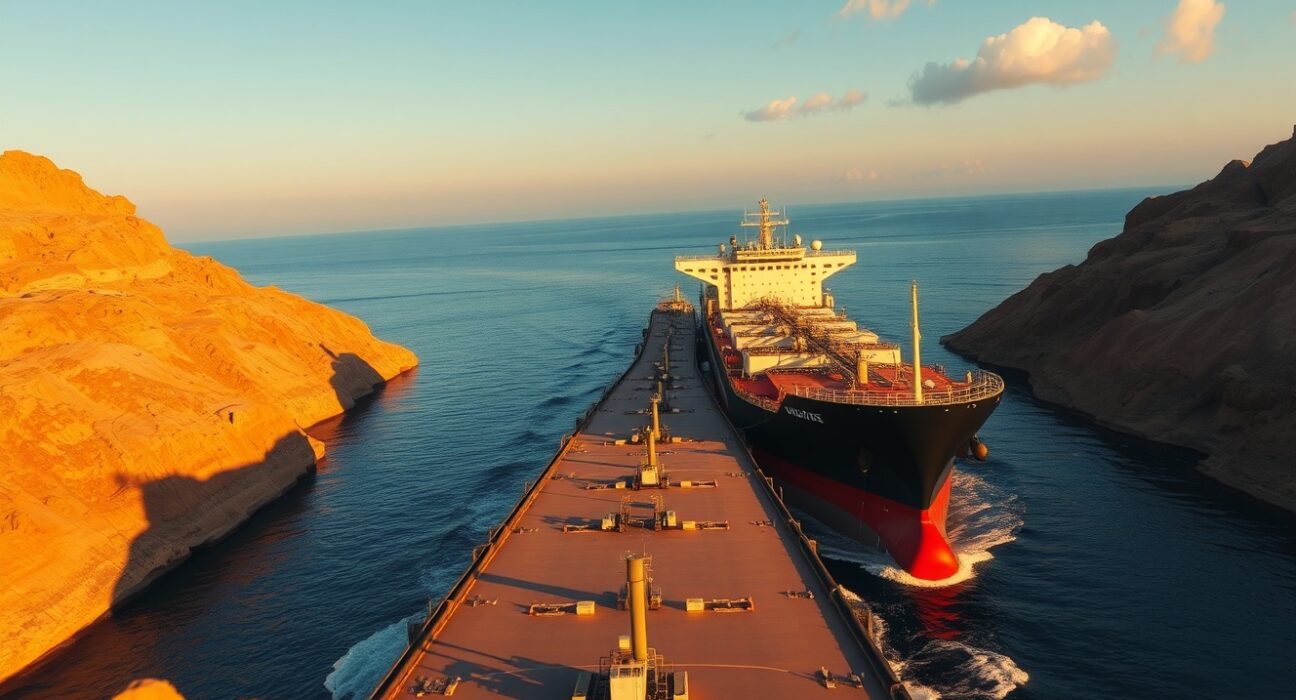
Oil geopolitical choke points reshape risk for global energy markets in 2025. Rabobank’s latest analysis highlights a critical shift in how investors and policymakers must evaluate supply vulnerabilities. These narrow maritime passages now represent the highest concentration of risk in decades.
Rabobank Oil Risk Analysis: The Core Findings
Rabobank’s report identifies three primary choke points. The Strait of Hormuz, the Strait of Malacca, and the Suez Canal dominate the list. Each route carries unique geopolitical and operational threats. The bank emphasizes that these are not theoretical risks. They are active, evolving dangers.
Analysts at Rabobank use a new risk assessment model. This model weighs military tensions, piracy threats, and regulatory changes. It also factors in climate-related disruptions. The result is a higher overall risk score for 2025 compared to previous years.
The report states that approximately 60% of global oil trade passes through these three routes. Any disruption would cause immediate price spikes. It would also trigger supply chain bottlenecks. Rabobank urges traders to prepare for sudden volatility.
Strait of Hormuz: The Highest Risk Corridor
The Strait of Hormuz connects the Persian Gulf to global markets. It handles nearly 20 million barrels of oil per day. This represents about 25% of global consumption. Iran and Oman border this narrow waterway. Recent military posturing from regional powers increases the threat level.
Rabobank notes that any conflict in the region could close the strait. This would cut off supplies from Saudi Arabia, Iraq, and the UAE. The bank cites historical precedents. In 2019, drone attacks on Saudi Aramco facilities temporarily halved the kingdom’s output. The strait remained open, but the incident highlighted its fragility.
Key factors increasing risk in 2025 include:
- Renewed nuclear negotiations with Iran
- Increased naval patrols by non-regional powers
- Cyber attacks on port infrastructure
- Extreme weather events affecting navigation
Rabobank recommends that companies diversify their supply routes. They should also invest in strategic storage facilities. These measures reduce dependency on a single passage.
Strait of Malacca: The Asian Energy Lifeline
The Strait of Malacca sits between Indonesia, Malaysia, and Singapore. It carries about 16 million barrels of oil daily. This route is critical for China, Japan, and South Korea. Rabobank highlights its vulnerability to piracy and territorial disputes.
Piracy incidents in the strait have risen by 20% in the last year. Most attacks target slow-moving tankers. These vessels are easy prey for small, fast boats. The bank warns that a major hijacking could block the channel for days.
Territorial claims in the South China Sea add another layer of risk. Rabobank notes that overlapping claims create legal uncertainty. This complicates insurance and shipping contracts. Traders must now factor in legal costs and delays.
Suez Canal: A Historical Chokepoint Under New Pressure
The Suez Canal connects the Mediterranean to the Red Sea. It handles about 7% of global oil trade. The 2021 Ever Given incident demonstrated its vulnerability. That six-day blockage cost an estimated $9.6 billion per day in lost trade.
Rabobank identifies new threats to the canal. Regional instability in the Middle East remains a primary concern. The bank also points to climate change. Rising sea levels and stronger currents could increase navigation risks.
Alternative routes exist but are not viable. The Cape of Good Hope adds 10 days to shipping times. This increases costs and emissions. Rabobank concludes that the Suez Canal remains irreplaceable in the short term.
Global Oil Supply Routes: A Changing Map
Rabobank’s analysis extends beyond these three choke points. It also examines emerging routes. The Arctic Northern Sea Route is opening due to melting ice. This could offer a shorter path between Europe and Asia. However, it presents its own risks, including lack of infrastructure and harsh weather.
The bank also tracks pipeline networks. The Druzhba pipeline and the Keystone XL system face political and technical challenges. Rabobank notes that pipelines offer more security than maritime routes. But they require significant capital and face regulatory hurdles.
Energy Security 2025: Implications for Policymakers
Rabobank’s report has clear implications for energy security. Governments must reassess their strategic reserves. The bank recommends increasing emergency stockpiles. It also suggests investing in domestic production and renewable alternatives.
The International Energy Agency (IEA) echoes these concerns. The IEA’s 2025 outlook highlights the need for diversified supply chains. Rabobank agrees, stating that over-reliance on any single route is dangerous.
Oil Market Volatility: What Traders Should Expect
Rabobank predicts higher oil market volatility in 2025. The bank’s models show a 35% probability of a major disruption. This would push oil prices above $120 per barrel. Traders should hedge against such scenarios.
The bank recommends using options and futures to manage risk. It also advises monitoring geopolitical news closely. Real-time data and analytics are now essential tools. Rabobank’s risk assessment provides a framework for decision-making.
Conclusion
Oil geopolitical choke points reshape risk for global markets in 2025. Rabobank’s analysis provides a clear warning. The Strait of Hormuz, Malacca, and Suez Canal face unprecedented threats. Policymakers and traders must act now. Diversification, strategic reserves, and robust risk management are no longer optional. They are essential for survival in a volatile energy landscape.
FAQs
Q1: What are the main oil geopolitical choke points identified by Rabobank?
Rabobank identifies the Strait of Hormuz, the Strait of Malacca, and the Suez Canal as the primary choke points. These routes handle the majority of global oil trade.
Q2: How does Rabobank assess oil supply risk in 2025?
Rabobank uses a new model that weighs military tensions, piracy, regulatory changes, and climate factors. The model shows a higher overall risk score for 2025.
Q3: What is the impact of a disruption at the Strait of Hormuz?
A disruption could cut off 20 million barrels of oil per day. This would cause immediate price spikes and global supply chain bottlenecks.
Q4: Why is the Strait of Malacca vulnerable?
Rising piracy and territorial disputes in the South China Sea increase its vulnerability. Rabobank notes a 20% rise in piracy incidents in the last year.
Q5: What should traders do to prepare for oil market volatility?
Traders should use hedging instruments like options and futures. They should also monitor geopolitical news closely and diversify their supply sources.
Disclaimer: The information provided is not trading advice, Bitcoinworld.co.in holds no liability for any investments made based on the information provided on this page. We strongly recommend independent research and/or consultation with a qualified professional before making any investment decisions.
