

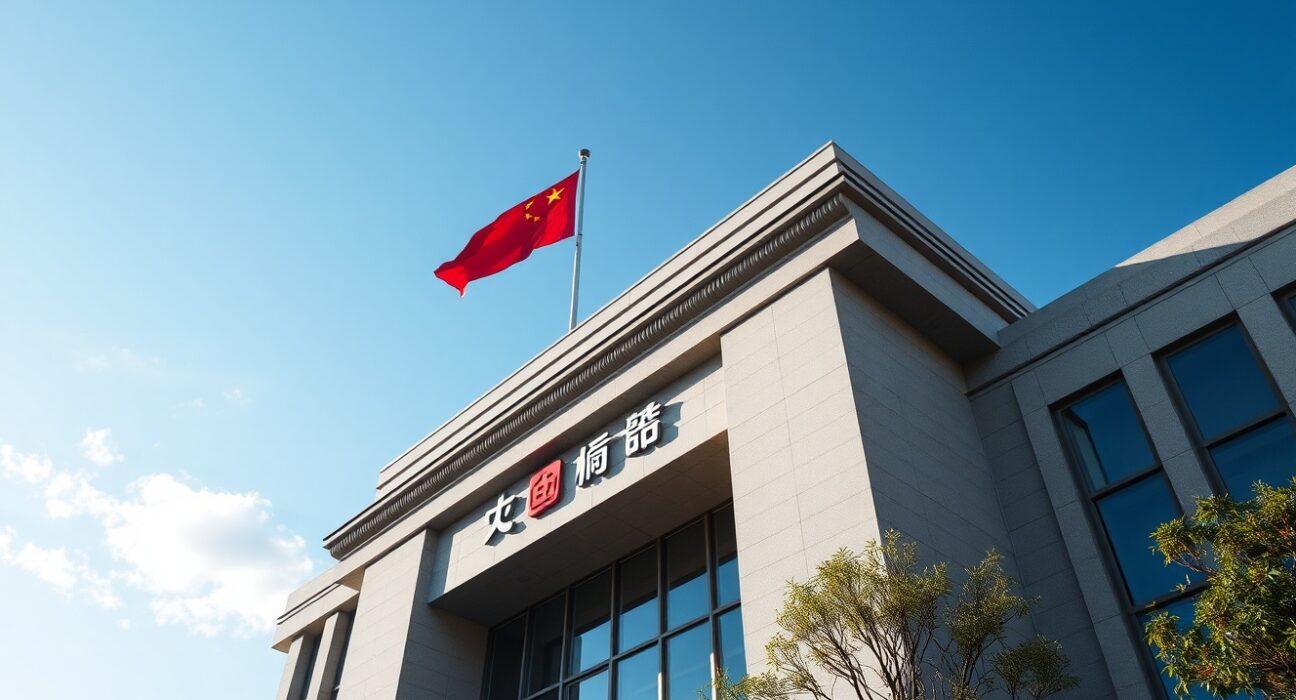
The People’s Bank of China (PBOC) kept its benchmark Loan Prime Rates (LPR) unchanged at its July fixing on Monday, as widely expected by markets. The 1-year LPR, the main reference for corporate loans, remained at 3.45%, while the 5-year LPR, used to price mortgages, held steady at 3.95%. The decision signals the central bank’s cautious approach amid persistent deflationary pressures and a fragile property sector.
Why the PBOC Chose to Hold Rates Steady
The PBOC’s decision to maintain rates comes as China’s economic recovery remains uneven. While industrial output and exports have shown resilience, domestic demand continues to lag, and the property market downturn shows no clear signs of a turnaround. Keeping rates unchanged allows the central bank to preserve policy space while it assesses the impact of earlier easing measures and the effectiveness of recent government stimulus efforts.
Market analysts had widely anticipated the hold after the PBOC left its medium-term lending facility (MLF) rate unchanged earlier this month. The MLF rate serves as a guide for the LPR, and its stability effectively locked in expectations for no change in the benchmark lending rates.
Implications for Borrowers and the Economy
The steady LPR means no immediate relief for businesses or homeowners. For corporations, the unchanged 1-year LPR keeps borrowing costs stable, which may support investment but does little to stimulate new demand. For the housing market, the 5-year LPR hold means mortgage rates will not decrease further, offering no fresh incentive for homebuyers. The property sector, which accounts for a significant share of China’s economic activity, continues to struggle with weak sales and developer debt problems.
Market Reaction and Outlook
Financial markets reacted calmly to the decision, as it was fully priced in. The yuan remained stable against the U.S. dollar in early Asian trading. Looking ahead, economists expect the PBOC may cut rates later in the year if economic data continues to disappoint, particularly if deflation risks intensify or the property sector deteriorates further. However, the central bank is likely to remain cautious to avoid exacerbating capital outflows or putting downward pressure on the yuan.
Conclusion
The PBOC’s decision to hold Loan Prime Rates steady in July reflects a wait-and-see approach as policymakers balance the need to support a sluggish economy against concerns over financial stability and currency depreciation. While the move offers no immediate stimulus, it keeps the door open for future easing should conditions worsen.
FAQs
Q1: What are China’s Loan Prime Rates?
Loan Prime Rates (LPR) are the benchmark lending rates set by the PBOC. The 1-year LPR is used for most corporate and household loans, while the 5-year LPR is the reference for mortgage rates. They are calculated based on quotes from a panel of commercial banks and are published monthly.
Q2: Why did the PBOC keep rates unchanged in July?
The PBOC held rates steady primarily because it left its medium-term lending facility rate unchanged earlier in the month, and to preserve policy space while it monitors the impact of previous easing measures. The decision also reflects caution amid ongoing economic challenges, including weak domestic demand and a struggling property market.
Q3: Will the PBOC cut rates later in 2024?
Many economists expect a rate cut later in the year if economic data weakens further, particularly if deflation pressures intensify or the property sector downturn deepens. However, the PBOC is likely to proceed cautiously to avoid destabilizing the yuan or triggering capital outflows.
Disclaimer: The information provided is not trading advice, Bitcoinworld.co.in holds no liability for any investments made based on the information provided on this page. We strongly recommend independent research and/or consultation with a qualified professional before making any investment decisions.
