

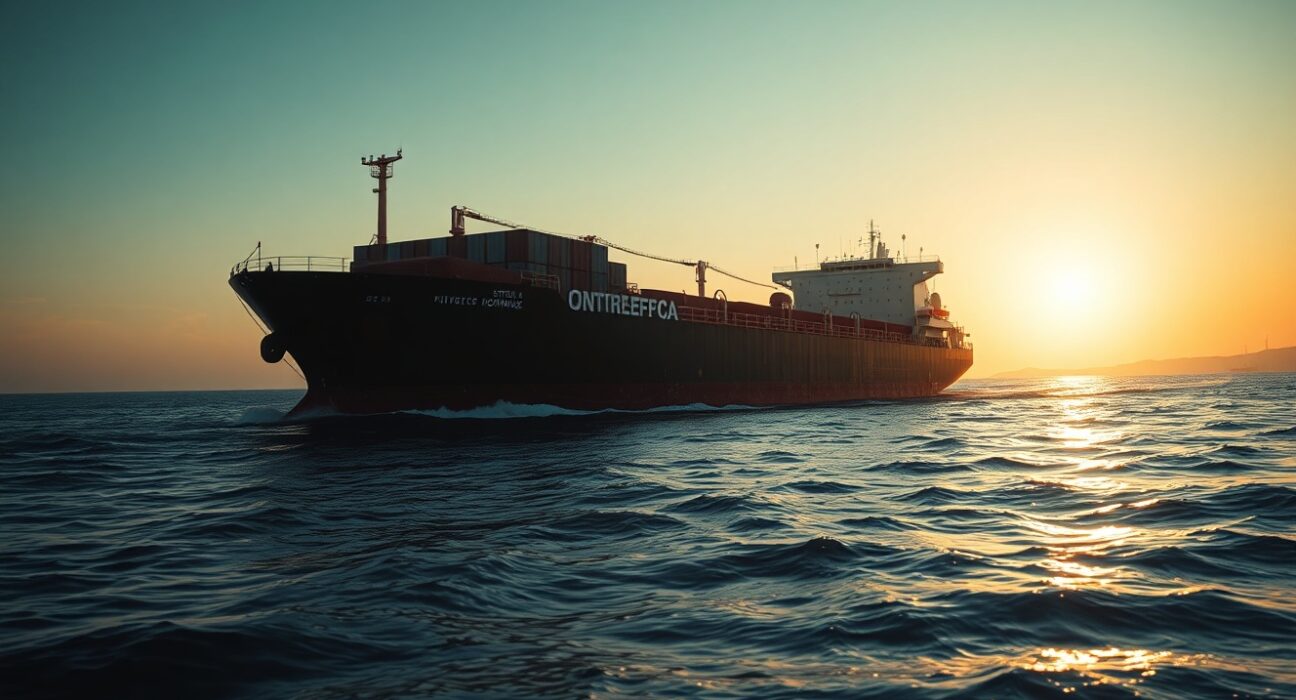
US Secretary of State Marco Rubio has reiterated strong criticism of Iran’s reported plans to impose tolls on commercial shipping passing through the Strait of Hormuz, a critical chokepoint for global oil supplies. Speaking to reporters during a press briefing, Rubio characterized the proposal as a destabilizing act that threatens international maritime law and economic security.
Background of the Toll Proposal
Iranian officials have previously floated the idea of levying fees on vessels transiting the Strait of Hormuz, through which roughly 20% of the world’s oil passes daily. The plan, which has not been formally enacted, is seen by analysts as a potential leverage tool in Tehran’s broader negotiations over its nuclear program and regional influence. The US and its allies have consistently opposed any unilateral attempt to restrict or tax passage through international waters.
Rubio’s Stance and Strategic Implications
Rubio’s remarks align with longstanding US policy that guarantees freedom of navigation in the strait. He warned that any such toll system would be met with a firm response, though he did not specify potential countermeasures. The statement comes amid heightened tensions in the region, including recent incidents involving seizures of commercial vessels by Iranian forces. The US Navy’s Fifth Fleet, based in Bahrain, maintains a continuous presence in the area to ensure safe passage.
Why This Matters for Global Markets
The Strait of Hormuz is a vital artery for energy markets. Any disruption—whether through tolls, blockades, or military confrontation—could spike oil prices and destabilize supply chains. Rubio’s public criticism signals Washington’s intent to deter Iran from unilateral actions that could trigger a broader crisis. Market analysts are closely watching diplomatic signals, as even rhetorical escalations can influence crude oil futures.
Conclusion
Rubio’s renewed criticism underscores the persistent friction between Washington and Tehran over maritime security in the Persian Gulf. While the toll plan remains a proposal rather than policy, the US administration’s clear opposition serves as a warning against any attempt to weaponize a global trade route. The situation remains fluid, with potential implications for energy markets and regional stability.
FAQs
Q1: What exactly did Iran propose regarding tolls in the Strait of Hormuz?
Iran has discussed imposing fees on commercial ships passing through the Strait of Hormuz, though no formal policy has been enacted. The proposal is viewed as a potential bargaining chip in nuclear and regional negotiations.
Q2: How might this affect global oil prices?
Any disruption to shipping in the Strait of Hormuz, which carries about 20% of global oil supply, could lead to price spikes and supply uncertainty. Even the threat of tolls or restrictions can influence market sentiment.
Q3: What is the US position on freedom of navigation in the strait?
The US maintains that the Strait of Hormuz is an international waterway and that all vessels have the right of transit passage under international law. Washington has repeatedly pledged to protect this principle, including through military presence and diplomatic pressure.
Disclaimer: The information provided is not trading advice, Bitcoinworld.co.in holds no liability for any investments made based on the information provided on this page. We strongly recommend independent research and/or consultation with a qualified professional before making any investment decisions.
