

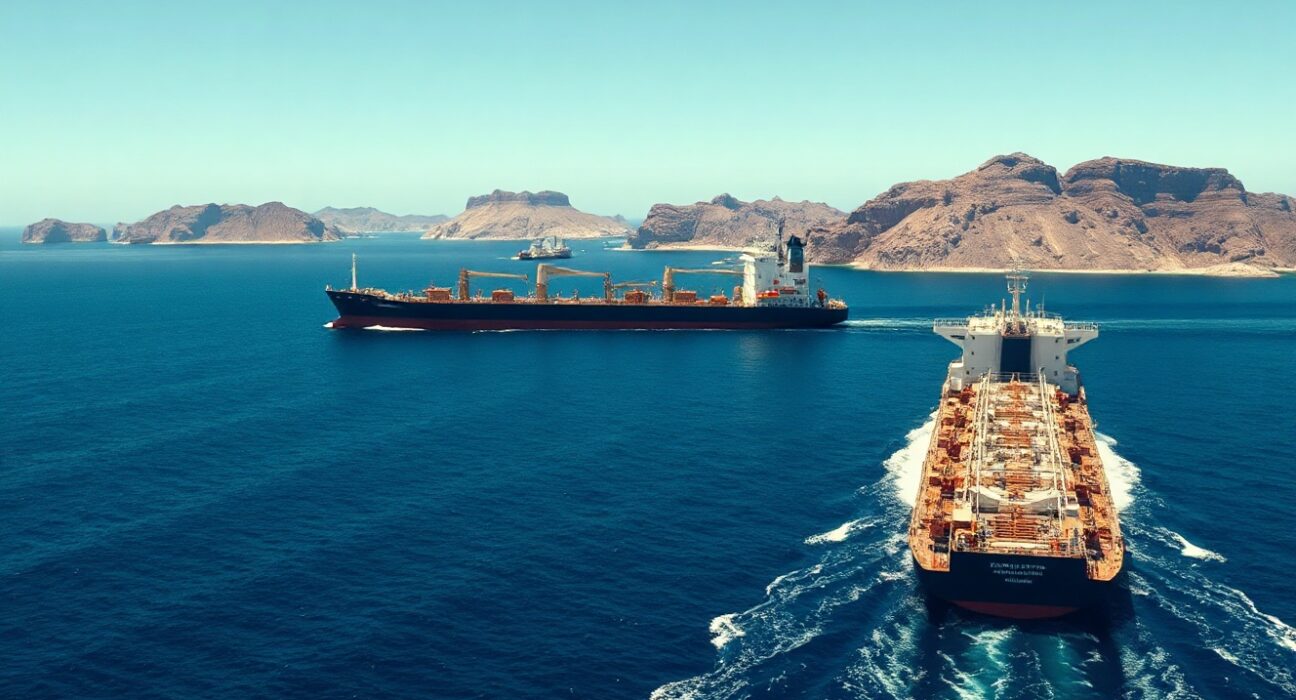
The United States, Iran, and Oman are close to finalizing a temporary agreement to reopen the Strait of Hormuz, according to a report from Axios citing regional sources. The deal, which could be officially announced on Aug. 6, is expected to establish a 60-day arrangement for transit through the strategic waterway, with an option to extend. The preliminary terms reportedly include some of Iran’s demands over jurisdiction in the strait that were not part of the pre-war status quo.
Background and Strategic Importance
The Strait of Hormuz is a narrow passage between the Persian Gulf and the Gulf of Oman, through which roughly 20% of global oil consumption passes daily. Its closure would disrupt energy markets worldwide, affecting prices and supply chains. The potential agreement comes after months of heightened tensions in the region, following earlier incidents that raised concerns about freedom of navigation.
Iran has long asserted its right to regulate traffic in the strait, while the U.S. and its allies have emphasized the principle of free passage under international law. The reported deal appears to be a pragmatic compromise, acknowledging some Iranian concerns while maintaining a framework for continued commercial shipping.
Key Details of the Proposed Arrangement
According to two regional sources cited by Axios, the temporary agreement would last 60 days and could be renewed. The specifics of Iran’s jurisdictional demands have not been fully disclosed, but they are believed to relate to inspection procedures, transit fees, or safety protocols. The involvement of Oman as a mediator is significant, as the sultanate has historically played a neutral role in regional disputes.
The announcement timeline of Aug. 6 suggests that both sides are aiming for a swift resolution, possibly to de-escalate tensions before they spiral further. However, the temporary nature of the deal indicates that broader issues remain unresolved, and a permanent framework would require more comprehensive negotiations.
Implications for Global Energy Markets and Regional Stability
For global markets, the reopening of the strait would reduce the risk of supply disruptions, potentially stabilizing oil prices. For the region, it could ease the immediate threat of military confrontation, though the underlying mistrust between Washington and Tehran persists. The deal also highlights Oman’s growing role as a diplomatic intermediary in the Middle East.
Analysts note that the 60-day window provides a testing ground for both sides to build confidence. If the arrangement holds, it could pave the way for broader talks on nuclear issues or other contentious matters. Conversely, any perceived violation could quickly unravel the fragile progress.
Conclusion
The reported temporary deal for the Strait of Hormuz represents a significant, albeit cautious, step toward reducing regional tensions. With an announcement expected on Aug. 6, the coming days will reveal whether the terms are acceptable to all parties and whether the agreement can hold. The situation remains fluid, and further details are awaited from official sources.
FAQs
Q1: What is the Strait of Hormuz and why is it important?
The Strait of Hormuz is a narrow waterway between the Persian Gulf and the Gulf of Oman. It is a critical chokepoint for global oil shipments, with about 20% of the world’s petroleum passing through it daily. Its closure would have severe economic consequences.
Q2: What does the reported temporary agreement entail?
According to Axios, the agreement would reopen the Strait of Hormuz for 60 days, with an option to extend. It would address some of Iran’s jurisdictional demands in the strait, which were not part of the pre-war status quo. The deal is being mediated by Oman.
Q3: When is the deal expected to be announced?
The U.S. plans to officially announce the deal on Aug. 6, according to the Axios report. However, this timeline could shift if final details are not completed.
Disclaimer: The information provided is not trading advice, Bitcoinworld.co.in holds no liability for any investments made based on the information provided on this page. We strongly recommend independent research and/or consultation with a qualified professional before making any investment decisions.
