

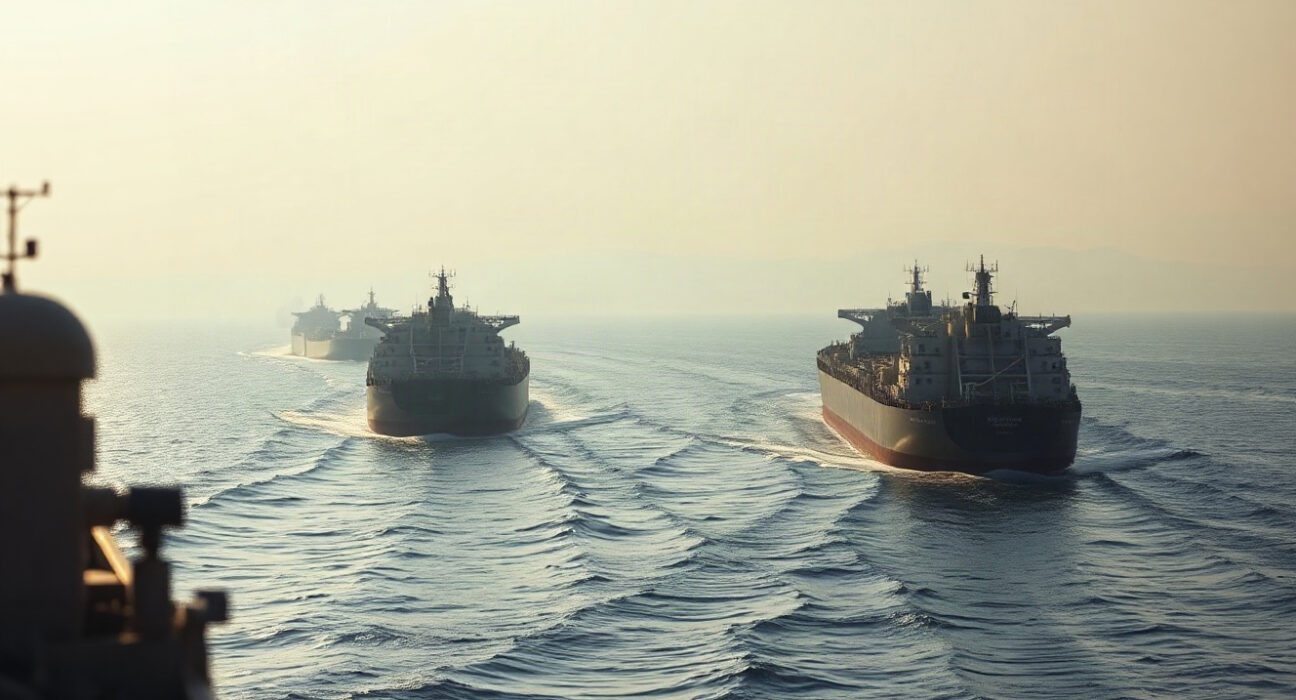
Traffic through the Strait of Hormuz has surged by 400% in recent weeks, even as Iran’s oil cargoes have virtually disappeared, according to shipping data and industry reports. The dramatic increase in vessel movements, which began in early February 2026, reflects a major rerouting of global energy flows as traders and shippers adapt to new sanctions and security risks in the region.
What is driving the surge in Hormuz traffic?
The surge is primarily driven by non-Iranian tankers using the strait to reposition vessels and load cargoes from neighboring producers, particularly Iraq, Saudi Arabia, and the UAE. With Iran’s exports under tightened sanctions, many tankers that previously called at Iranian ports are now seeking alternative employment, leading to a spike in transit counts. Additionally, some vessels are using the strait as a safe passage to avoid longer routes around the Arabian Peninsula, as security concerns in the Red Sea persist.
How have Iran’s oil exports changed?
Iran’s oil exports have fallen to their lowest level in years, with estimates suggesting a drop of over 60% compared to late 2025. The decline is attributed to stricter enforcement of US sanctions and reduced demand from key buyers, particularly China, which has been diversifying its crude sources. As a result, Iranian crude loadings at Kharg Island and other terminals have nearly halted, forcing tankers that once served these routes to seek work elsewhere.
What does this mean for global oil markets?
The shift in Hormuz traffic is a clear signal of how quickly trade flows can adapt to geopolitical pressures. While the overall volume of oil transiting the strait may not have increased dramatically, the composition of cargoes has changed, with more non-Iranian crude and refined products moving through. This has helped stabilize global supply, but it also highlights the fragility of the region’s shipping lanes. Market analysts are watching for potential bottlenecks, as the surge in vessel traffic could strain port infrastructure and increase freight rates.
Conclusion
The 400% surge in Hormuz traffic, coupled with Iran’s drying oil cargoes, underscores a significant realignment in Middle East energy exports. As sanctions continue to reshape trade patterns, the strait remains a critical chokepoint, and its resilience will be tested by ongoing geopolitical tensions. For now, the market is absorbing the shift, but the long-term implications for supply security and shipping economics remain uncertain.
FAQs
Q1: Why has Hormuz traffic surged if Iran’s oil exports have fallen?
The surge is due to non-Iranian tankers using the strait more frequently, as they reposition to load from other Gulf producers or avoid Red Sea routes. The increase in vessel movements does not necessarily mean more oil is being shipped; it reflects changes in shipping patterns and fleet deployment.
Q2: How have Iran’s oil exports been affected?
Iran’s oil exports have dropped by over 60% since late 2025, due to stricter sanctions enforcement and reduced demand from key buyers like China. This has led to a near-halt in loadings at major Iranian terminals, forcing tankers to find alternative employment.
Q3: What impact could this have on oil prices?
The shift in traffic has helped maintain global supply stability, but the increased congestion in the strait could raise shipping costs and create logistical delays. While oil prices have remained relatively stable, any disruption to the strait could cause significant volatility.
Disclaimer: The information provided is not trading advice, Bitcoinworld.co.in holds no liability for any investments made based on the information provided on this page. We strongly recommend independent research and/or consultation with a qualified professional before making any investment decisions.
