

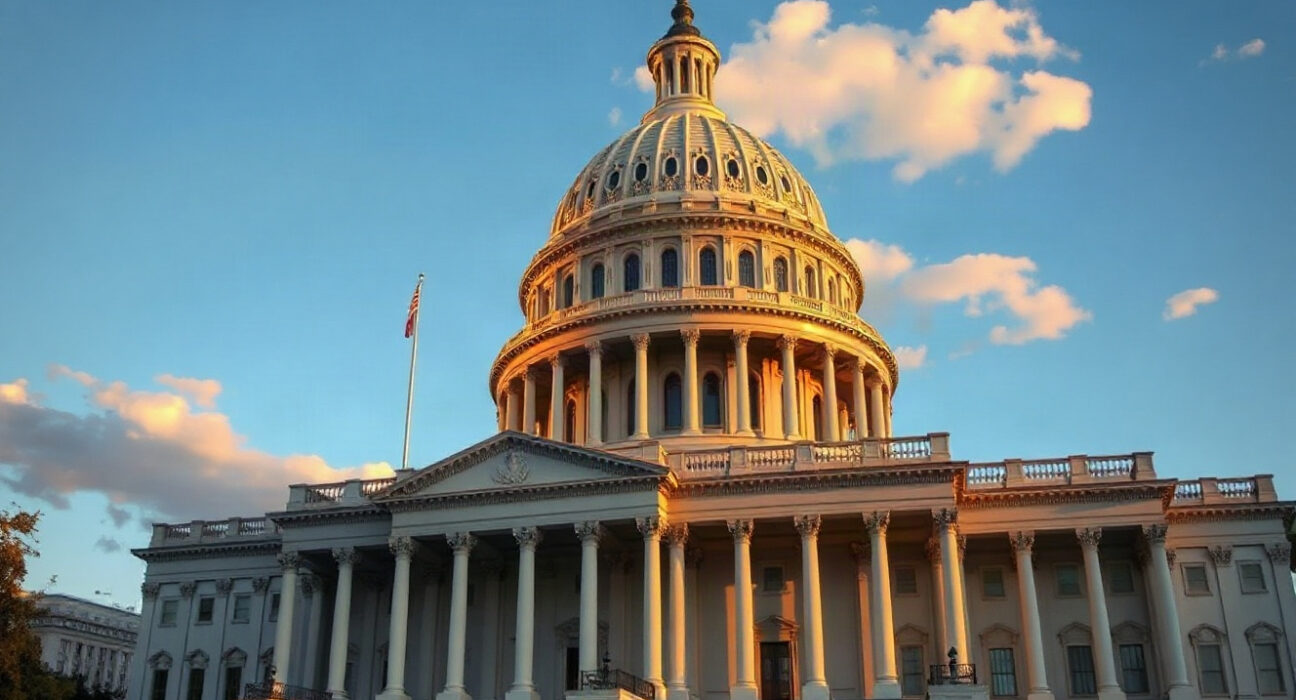
The Solana Policy Institute, a nonprofit focused on U.S. policy affecting the Solana ecosystem, sees only a 10% chance that the Clarity Act — a bill designed to define the U.S. cryptocurrency regulatory framework — will pass Congress before the November midterm elections. CEO Miller Whitehouse-Levine shared this assessment in an interview with The Block, citing the Senate’s recess and the limited time remaining in the current congressional session.
Legislative Hurdles and Time Constraints
The Clarity Act, which aims to provide a comprehensive regulatory framework for digital assets, has stalled in the Senate. With the chamber in recess, little progress can be made until lawmakers return. Whitehouse-Levine noted that this is likely the sixth attempt to advance a market structure bill in the United States, and each failure represents a significant investment of time and resources. He emphasized that tens of thousands of staff hours have been spent by lawmakers and congressional aides on these efforts, making the opportunity cost of another failure substantial.
The timeline is tight. The current congressional session ends in December, and the midterm elections in November will further limit legislative activity. Even if the Senate returns to work, the calendar is crowded with other priorities, including appropriations and potential government funding deadlines. As a result, the odds of the Clarity Act moving through both chambers and reaching the President’s desk before the session ends are slim.
Regulators Urged to Act Independently
Given the legislative gridlock, Whitehouse-Levine stressed that it is now more important for regulators to move quickly on their own. The U.S. Securities and Exchange Commission (SEC) and the Commodity Futures Trading Commission (CFTC) have been actively engaging with crypto firms, but a lack of clear statutory guidance has led to confusion and enforcement actions that many in the industry view as overreach. Without a legislative fix, regulators may need to provide clarity through rulemaking and guidance, though such efforts can be slow and subject to legal challenges.
Why This Matters for the Crypto Industry
The Clarity Act is seen as a potential solution to the fragmented regulatory landscape that has hindered crypto innovation in the U.S. A clear framework could help businesses navigate compliance, attract institutional investment, and foster growth. Conversely, continued uncertainty may drive companies to relocate to more favorable jurisdictions, such as the European Union, which has already implemented the Markets in Crypto-Assets (MiCA) regulation. The outcome of this legislative effort will have significant implications for the future of digital assets in the United States.
Conclusion
With only a 10% chance of passage before midterms, the Clarity Act faces an uphill battle. The Senate’s recess and a crowded legislative calendar leave little room for movement. As lawmakers struggle to find consensus, the onus shifts to regulators to provide the clarity the industry needs. The coming months will be critical in determining whether the U.S. can establish a coherent crypto regulatory framework or continue to lag behind other jurisdictions.
FAQs
Q1: What is the Clarity Act?
The Clarity Act is a proposed U.S. bill aimed at defining the regulatory framework for cryptocurrencies, providing clear rules for digital asset markets and services.
Q2: Why is the bill stalled?
The bill is stalled primarily because the U.S. Senate is in recess, and there is limited time left in the current congressional session before the midterm elections and the end of the year.
Q3: What happens if the Clarity Act fails?
If the bill fails, regulators like the SEC and CFTC may need to provide clarity through their own rulemaking. The industry may continue to face uncertainty, potentially driving businesses to other countries with clearer regulations.
Disclaimer: The information provided is not trading advice, Bitcoinworld.co.in holds no liability for any investments made based on the information provided on this page. We strongly recommend independent research and/or consultation with a qualified professional before making any investment decisions.
