

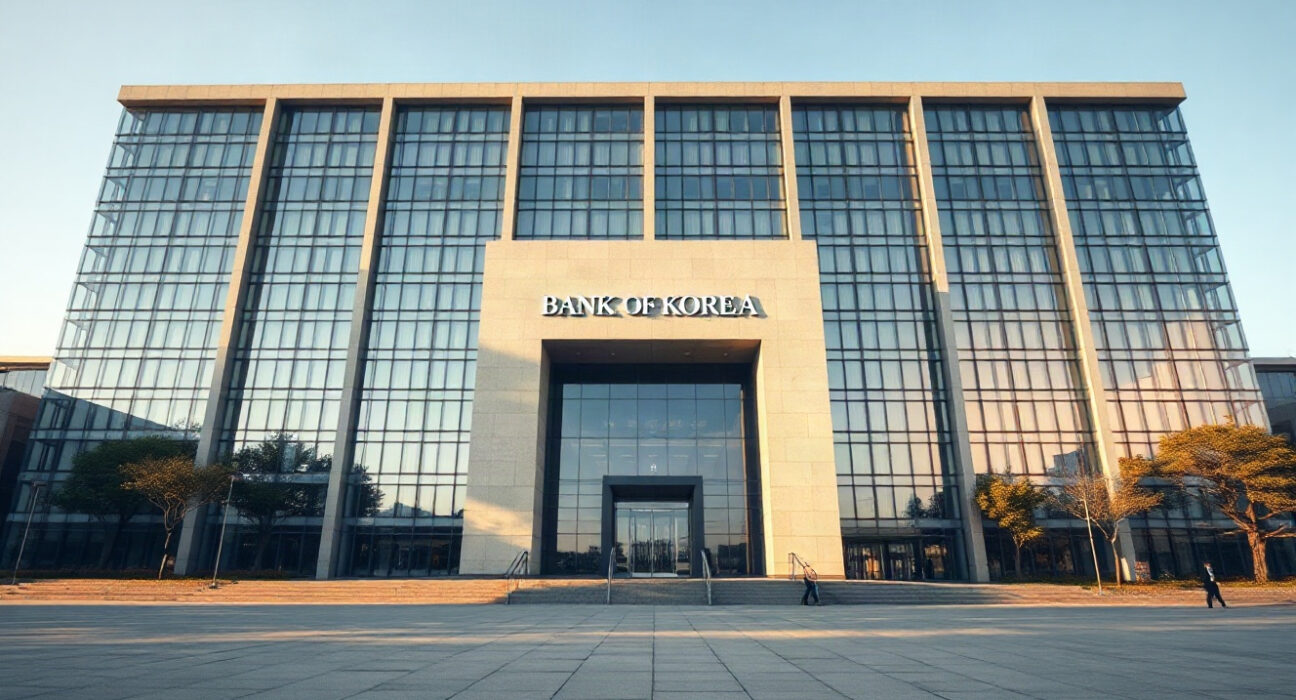
South Korea’s Producer Price Index (PPI) fell by 0.4% month-on-month in July, reversing the flat reading recorded in June, according to data released by the Bank of Korea. This decline signals easing inflationary pressures at the wholesale level, which could influence the central bank’s future monetary policy decisions.
What the July PPI Data Shows
The monthly contraction marks the first negative reading in recent months, indicating that the cost of goods at the producer level is softening. The Bank of Korea’s PPI measures the average change over time in the selling prices received by domestic producers for their output. A decline suggests that producers are absorbing costs or facing weaker demand, which may eventually translate into lower consumer prices.
The -0.4% figure follows a 0% change in June, breaking a period of stability. On a year-over-year basis, the PPI has been moderating, reflecting global commodity price trends and domestic demand conditions. The data is closely watched by economists as a leading indicator for consumer inflation, which has been gradually cooling in recent months.
Implications for Consumer Inflation and the Bank of Korea
The drop in producer prices is likely to ease concerns about sustained inflation, giving the Bank of Korea more room to consider policy adjustments. South Korea’s consumer inflation has been trending toward the central bank’s 2% target, and the PPI data supports the view that price pressures are abating.
Why This Matters for the Economy
For businesses, lower producer prices can improve profit margins if input costs decline, but they may also signal weak demand. For consumers, the pass-through to retail prices could mean slower price increases, potentially boosting purchasing power. The data also has implications for South Korea’s export competitiveness, as lower producer prices may make Korean goods cheaper in global markets.
Conclusion
South Korea’s July PPI contraction underscores a cooling inflationary environment, offering the central bank greater flexibility in its monetary policy. While the data is a single monthly reading, it aligns with broader trends of moderating price pressures, which could shape economic decisions in the coming months.
FAQs
Q1: What does the Producer Price Index measure?
The Producer Price Index (PPI) measures the average change over time in the selling prices received by domestic producers for their output. It is a key indicator of inflationary pressures at the wholesale level.
Q2: How does a decline in PPI affect consumers?
A decline in PPI may eventually lead to lower consumer prices, as producers pass on cost savings to retailers and consumers. It can also signal weaker demand, which may have broader economic implications.
Q3: What is the Bank of Korea’s inflation target?
The Bank of Korea aims to maintain consumer inflation at around 2% over the medium term. The recent PPI data suggests that price pressures are easing, potentially aligning with this target.
Disclaimer: The information provided is not trading advice, Bitcoinworld.co.in holds no liability for any investments made based on the information provided on this page. We strongly recommend independent research and/or consultation with a qualified professional before making any investment decisions.
