

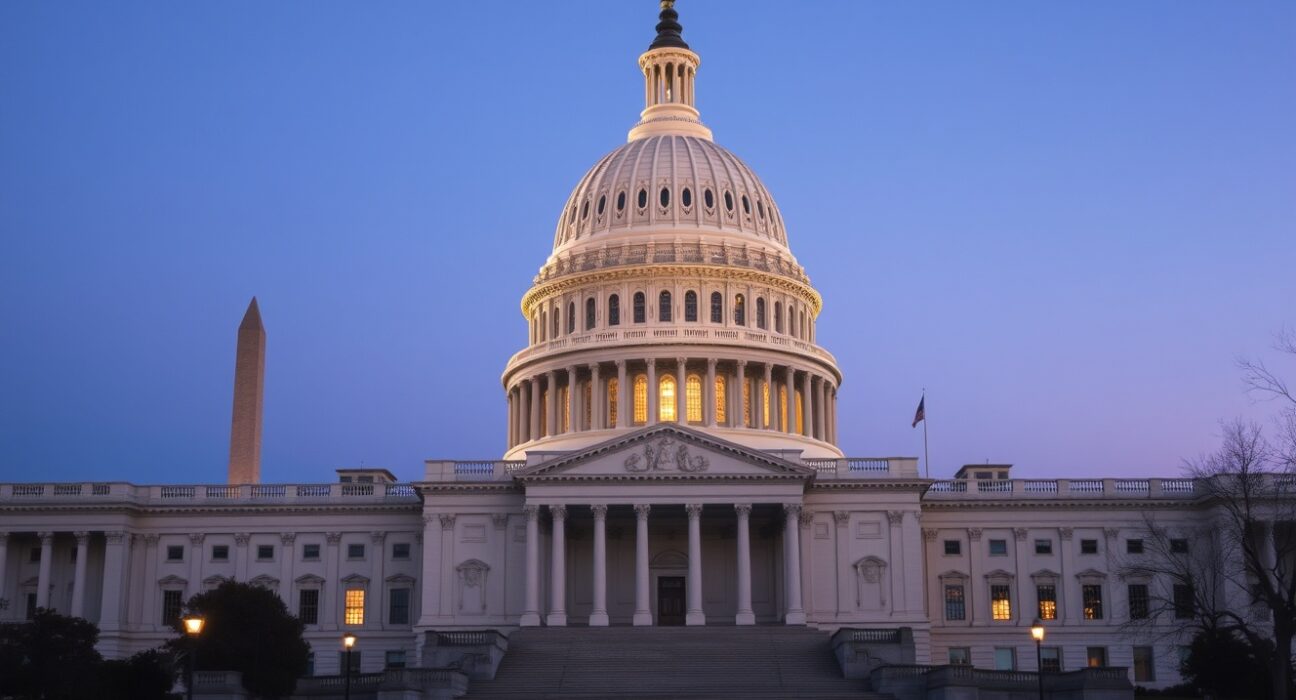
WASHINGTON, D.C. — March 2025 — The United States cryptocurrency regulatory landscape faces another significant delay as Republican Senator Thom Tillis indicates a crucial stablecoin interest compromise draft remains unlikely for release this week. This development directly impacts the progress of the CLARITY Act, a pivotal piece of legislation designed to establish comprehensive digital asset regulations. The postponement follows recent discussions about resolving key disputes surrounding stablecoin interest mechanisms within the proposed framework.
Stablecoin Regulation Faces Legislative Hurdles
According to a social media post by Eleanor Terrett, host of ‘Crypto in America,’ Senator Tillis revealed the delay during recent communications. The North Carolina Republican specifically noted that stakeholders decided to postpone releasing the compromise language until the bill’s markup schedule becomes clearer. This strategic decision reflects the complex negotiation process surrounding digital asset legislation. Furthermore, the CLARITY Act represents one of several competing proposals aiming to establish federal cryptocurrency oversight.
The legislative process requires careful coordination between multiple congressional committees. Key committees include Banking, Finance, and Commerce panels that must review different aspects of the proposed regulations. Consequently, timing the release of compromise language requires alignment with broader legislative calendars. This coordination ensures maximum impact when lawmakers formally consider the proposals during markup sessions.
Understanding the CLARITY Act’s Regulatory Framework
The Creating Legal Accountability for Rogue Innovators and Technology (CLARITY) Act represents a comprehensive approach to cryptocurrency regulation. Introduced in the previous congressional session, the legislation addresses multiple aspects of digital asset oversight. Primary components include consumer protection measures, market integrity provisions, and regulatory clarity for blockchain innovators. However, the stablecoin interest provisions have emerged as particularly contentious elements requiring compromise.
Stablecoins represent digital assets pegged to traditional currencies like the U.S. dollar. These cryptocurrencies maintain reserve assets to support their value propositions. The regulatory debate centers on whether stablecoin issuers should pay interest to token holders. Additionally, discussions focus on which regulatory agencies should oversee these interest-bearing mechanisms. Different proposals suggest varying approaches involving the Securities and Exchange Commission, Commodity Futures Trading Commission, or banking regulators.
Key Regulatory Positions on Stablecoin Interest
| Regulatory Approach | Proposed Agency | Key Considerations |
|---|---|---|
| Securities Framework | Securities and Exchange Commission | Treats interest-bearing stablecoins as investment contracts requiring registration |
| Commodities Framework | Commodity Futures Trading Commission | Focuses on market manipulation prevention and derivatives oversight |
| Banking Framework | Federal Reserve / OCC | Applies traditional banking regulations to stablecoin issuers and reserves |
| Hybrid Framework | Dual Agency Oversight | Creates shared responsibilities between multiple regulatory bodies |
The table above illustrates the competing regulatory frameworks under consideration. Each approach carries distinct implications for market participants and consumer protections. Moreover, the compromise language must address jurisdictional questions while maintaining regulatory effectiveness. Industry stakeholders have expressed concerns about overlapping oversight creating compliance burdens.
Historical Context of Cryptocurrency Legislation Delays
This latest delay continues a pattern of extended negotiations surrounding digital asset regulations. Previous congressional sessions witnessed similar challenges with cryptocurrency legislation. For instance, the Lummis-Gillibrand Responsible Financial Innovation Act faced multiple revisions before committee consideration. Additionally, the Digital Commodities Consumer Protection Act underwent substantial modifications during markup processes.
Several factors contribute to these legislative delays:
- Technical Complexity: Blockchain technology presents novel regulatory challenges requiring specialized understanding
- Agency Jurisdiction: Multiple federal agencies claim oversight authority creating coordination difficulties
- Industry Diversity: Cryptocurrency sector includes varied business models with different regulatory needs
- International Considerations: Global standards development influences domestic regulatory approaches
- Consumer Protection: Balancing innovation with adequate safeguards requires careful policy design
These factors collectively create a complex legislative environment. Consequently, compromise language development often requires extensive stakeholder consultations. The current delay reflects this necessary but time-consuming process.
Expert Perspectives on Regulatory Timing
Financial regulation experts emphasize the importance of deliberate legislative processes. According to Georgetown University Law Center professor Linda Jeng, “Rushed cryptocurrency regulations often create unintended consequences.” Jeng specializes in digital asset policy and has testified before multiple congressional committees. She further notes that “proper regulatory frameworks require balancing multiple competing interests.”
Industry representatives express mixed reactions to the delay. Blockchain Association CEO Kristin Smith acknowledges that “while timely regulation benefits market participants, comprehensive solutions require careful development.” Smith’s organization represents numerous cryptocurrency companies seeking regulatory clarity. She emphasizes that “the substance of regulations matters more than arbitrary deadlines.”
Consumer advocacy groups express concerns about prolonged uncertainty. Americans for Financial Reform director Alexis Goldstein states that “delays in establishing clear rules leave consumers vulnerable to potential risks.” Goldstein advocates for strong consumer protections within any regulatory framework. She argues that “well-designed regulations prevent harm while supporting responsible innovation.”
Implications for Market Participants and Consumers
The regulatory delay carries significant implications for various stakeholders. Stablecoin issuers face continued uncertainty about compliance requirements. This uncertainty potentially affects business planning and product development timelines. Additionally, cryptocurrency exchanges must navigate evolving regulatory expectations across different jurisdictions.
Consumers encounter mixed signals about digital asset safety and legitimacy. Clear regulations provide frameworks for evaluating investment risks and platform reliability. Without established rules, consumers lack standardized protections against potential misconduct. However, premature regulations might stifle innovation or create compliance barriers.
International observers monitor U.S. regulatory developments closely. Many jurisdictions align their approaches with American standards given the dollar’s global reserve currency status. Consequently, U.S. regulatory decisions influence global digital asset policy development. This international dimension adds complexity to domestic legislative processes.
Legislative Timeline and Next Steps
The congressional calendar provides context for understanding potential movement. The current session includes multiple opportunities for committee consideration. Banking Committee chair Sherrod Brown previously indicated interest in stablecoin legislation. However, competing legislative priorities might affect scheduling decisions.
Several potential scenarios could emerge following this delay:
- Extended Negotiations: Additional weeks of stakeholder consultations and technical adjustments
- Committee Markup: Formal consideration of legislation with proposed amendments
- Revised Timeline: New target dates for compromise language release and legislative action
- Alternative Approaches: Consideration of different regulatory frameworks or legislative vehicles
Observers generally expect continued progress despite the temporary delay. The fundamental issues driving regulatory discussions remain unresolved. Market developments and international regulatory actions maintain pressure for congressional action. Consequently, most analysts anticipate eventual legislative movement during the current session.
Conclusion
The stablecoin regulation delay represents another chapter in the ongoing development of U.S. cryptocurrency policy. Senator Thom Tillis’s indication that compromise language remains unlikely this week reflects the complex nature of digital asset legislation. The CLARITY Act’s progress depends on resolving intricate questions about stablecoin interest mechanisms and regulatory jurisdiction. While delays create temporary uncertainty, deliberate legislative processes often produce more effective regulations. Market participants, consumers, and international observers continue monitoring developments as policymakers work toward comprehensive stablecoin regulation frameworks.
FAQs
Q1: What is the CLARITY Act?
The Creating Legal Accountability for Rogue Innovators and Technology Act represents proposed U.S. legislation establishing comprehensive cryptocurrency regulations, including specific provisions for stablecoin oversight and consumer protections.
Q2: Why is stablecoin interest regulation controversial?
Regulatory controversy stems from questions about whether interest-bearing stablecoins constitute securities requiring SEC oversight or whether alternative regulatory frameworks better address their unique characteristics and risks.
Q3: How does this delay affect cryptocurrency markets?
Regulatory uncertainty may create temporary market volatility as participants adjust expectations, though most established market participants have anticipated extended legislative timelines for comprehensive digital asset regulations.
Q4: What happens next in the legislative process?
Stakeholders will continue negotiations while awaiting clearer committee scheduling, with potential committee markup sessions following the release of compromise language on stablecoin interest provisions.
Q5: How do other countries regulate stablecoins?
International approaches vary significantly, with the European Union implementing comprehensive Markets in Crypto-Assets regulations while other jurisdictions employ more limited frameworks or await international standard development.
Disclaimer: The information provided is not trading advice, Bitcoinworld.co.in holds no liability for any investments made based on the information provided on this page. We strongly recommend independent research and/or consultation with a qualified professional before making any investment decisions.
