

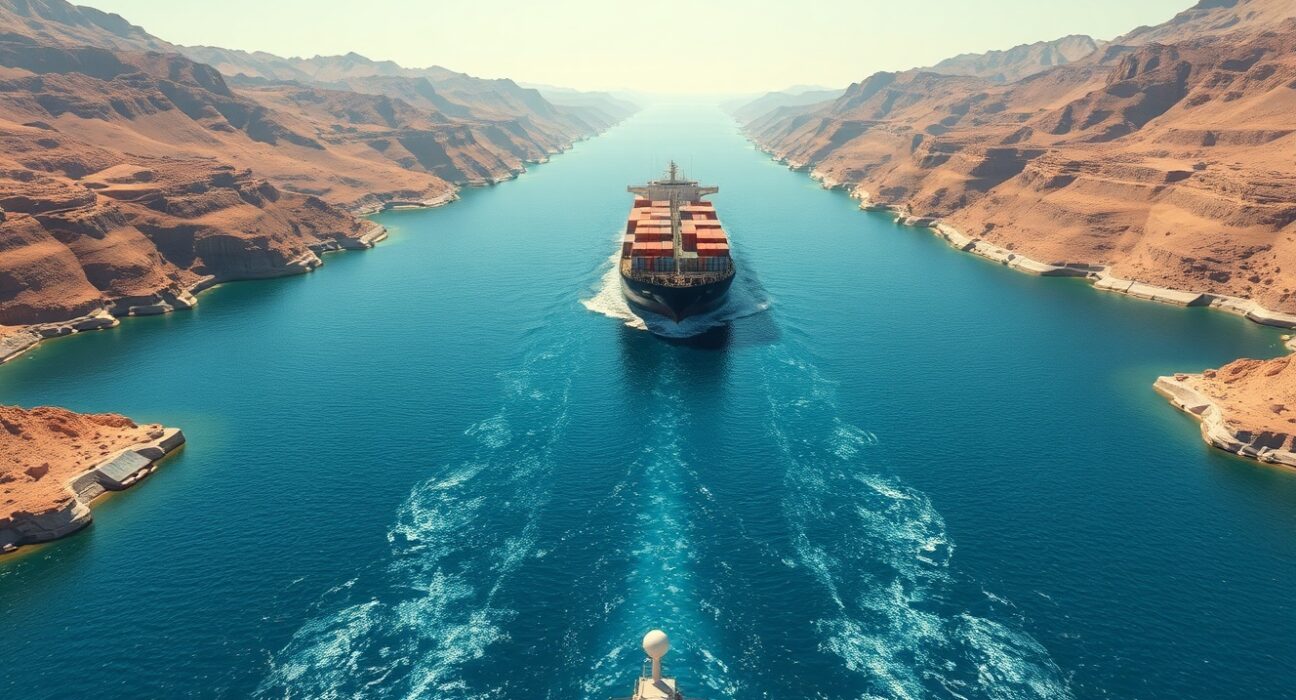
TEHRAN, Iran — April 22, 2025: The strategic Strait of Hormuz remains effectively closed as Iranian Parliament Speaker Mohammad Bagher Ghalibaf declared reopening impossible while the United States continues violating ceasefire agreements. This critical statement highlights escalating tensions in one of the world’s most important maritime corridors, through which approximately 21 million barrels of oil pass daily. Ghalibaf’s declaration follows weeks of diplomatic stalemate and represents a significant hardening of Iran’s position regarding regional security arrangements. The Strait of Hormuz situation now threatens global energy markets and international shipping lanes, creating immediate concerns for oil-importing nations worldwide.
Strait of Hormuz Closure: The Geopolitical Context
Iranian Parliament Speaker Mohammad Bagher Ghalibaf delivered his statement during a parliamentary session in Tehran. He serves as both legislative leader and chief nuclear negotiator. Consequently, his words carry substantial diplomatic weight. Ghalibaf emphasized that meaningful ceasefire discussions require specific preconditions. These include lifting the maritime blockade completely. Additionally, they involve halting global economic coercion measures. The speaker specifically referenced recent U.S. naval movements near Iranian territorial waters. Furthermore, he cited continued sanctions enforcement against Iranian shipping companies.
The Strait of Hormuz represents a narrow choke point between the Persian Gulf and the Gulf of Oman. It measures only 21 nautical miles at its narrowest point. Significantly, approximately one-third of the world’s seaborne oil passes through this corridor. Major global powers monitor the strait constantly due to its strategic importance. Recent incidents include:
- April 15, 2025: U.S. Navy destroyer conducted freedom of navigation operation
- April 18, 2025: Iranian Revolutionary Guard Corps naval exercises in the area
- April 20, 2025: Commercial tanker diverted course citing security concerns
Regional analysts note that Ghalibaf’s statement represents a calculated escalation. It follows months of indirect negotiations between Iranian and American officials. These talks occurred primarily through Omani and Qatari intermediaries. The previous ceasefire agreement, established in February 2025, aimed to reduce regional hostilities. However, both sides now accuse each other of violating its terms repeatedly.
Ceasefire Violations and Maritime Blockade Issues
The United States maintains that its naval presence ensures freedom of navigation. Conversely, Iran characterizes these operations as provocative acts. Specifically, Iranian officials reference the U.S. Fifth Fleet’s increased patrols. These patrols intensified following Houthi attacks on commercial shipping in the Red Sea. American officials argue their presence prevents Iranian seizures of commercial vessels. However, Tehran views the activity as a form of maritime blockade.
Economic coercion represents another critical point of contention. The United States continues enforcing extensive sanctions against Iran. These measures target multiple sectors including:
| Sanctioned Sector | Implementation Date | Primary Impact |
|---|---|---|
| Petroleum Exports | November 2024 | Reduced Iranian oil revenue by 40% |
| Shipping Insurance | January 2025 | Limited tanker access to international ports |
| Financial Transactions | Ongoing | Restricted access to global banking systems |
Ghalibaf specifically referenced these economic measures during his address. He stated that ceasefire discussions cannot proceed while coercion continues. Moreover, he connected the economic pressure to regional security concerns. This linkage represents a significant development in Iranian diplomatic positioning. Previously, Iranian officials treated economic and security issues as separate tracks. Now, they explicitly connect the two domains.
Historical Precedents and Regional Implications
The current situation echoes previous confrontations in the Strait of Hormuz. In 2019, Iran seized a British-flagged tanker. This action followed the UK’s detention of an Iranian tanker near Gibraltar. Similarly, in 2021, Iranian forces briefly captured a Vietnamese-flagged vessel. These incidents demonstrate Iran’s willingness to use maritime leverage. However, the current closure threat represents a more significant escalation.
Regional powers monitor developments closely. Saudi Arabia and the United Arab Emirates maintain substantial oil export infrastructure along the Persian Gulf. Consequently, any prolonged closure would severely impact their economies. Both nations have diversified some export routes in recent years. For instance, Saudi Arabia expanded its Red Sea pipeline capacity significantly. Nevertheless, the Strait of Hormuz remains indispensable for regional energy exports.
International shipping companies already adjust operations. Several major carriers now require additional insurance for Hormuz transits. Furthermore, some vessels choose longer alternative routes around Africa. These diversions increase shipping costs substantially. They also extend delivery times for Middle Eastern oil to Asian markets. Global benchmark oil prices reacted immediately to Ghalibaf’s statement. Brent crude futures rose 3.2% within hours of the announcement.
Diplomatic Channels and Potential Resolutions
Multiple diplomatic initiatives attempt to address the escalating situation. The United Nations Secretary-General offered mediation services last week. Meanwhile, China continues advocating for direct U.S.-Iran negotiations. Russian officials propose establishing an international monitoring mechanism. However, fundamental disagreements persist regarding the ceasefire’s implementation.
Iran demands verifiable steps before considering strait reopening. These include:
- Withdrawal of U.S. naval assets from specific coordinates
- Suspension of sanctions against Iranian maritime entities
- International guarantees regarding economic measures
The United States maintains different priorities. American officials seek Iranian commitments regarding regional proxies. They also demand cessation of uranium enrichment activities. Furthermore, Washington wants assurances about commercial shipping security. These divergent positions create substantial negotiation challenges.
European Union diplomats work to bridge these gaps. They propose phased confidence-building measures. These might include limited sanctions relief in exchange for verified naval restraint. However, both Tehran and Washington show limited enthusiasm for intermediate steps. The situation remains fluid with daily developments influencing diplomatic calculations.
Conclusion
The Strait of Hormuz situation represents a critical juncture in Middle Eastern geopolitics. Iranian Parliament Speaker Mohammad Bagher Ghalibaf’s statement clarifies Tehran’s position unequivocally. Reopening the vital waterway requires addressing fundamental disagreements about ceasefire implementation. Specifically, maritime blockade issues and economic coercion measures must resolve first. Global energy markets now face renewed uncertainty as diplomatic efforts continue. The coming weeks will determine whether negotiations can prevent further escalation. All regional stakeholders recognize the severe consequences of prolonged Strait of Hormuz closure. Therefore, international diplomacy faces urgent pressure to find acceptable solutions.
FAQs
Q1: Why is the Strait of Hormuz so important globally?
The Strait of Hormuz serves as the world’s most important oil transit chokepoint. Approximately 21 million barrels of oil pass through daily, representing about 21% of global petroleum consumption. Closure would disrupt global energy supplies significantly.
Q2: What specific ceasefire violations does Iran accuse the US of committing?
Iran cites increased US naval patrols near Iranian waters, continued sanctions enforcement against shipping companies, and intelligence operations targeting Iranian maritime assets as violations of the February 2025 ceasefire agreement.
Q3: How are other countries responding to this situation?
Saudi Arabia and UAE are activating alternative export routes while urging diplomatic resolution. China calls for direct negotiations, Russia proposes international monitoring, and European nations advocate for confidence-building measures between the parties.
Q4: What would be the economic impact of prolonged Strait of Hormuz closure?
Prolonged closure could increase global oil prices by 40-60%, disrupt supply chains worldwide, raise shipping insurance premiums dramatically, and potentially trigger economic recession in oil-importing nations.
Q5: Are there historical precedents for Strait of Hormuz closures?
While never completely closed, the strait has experienced significant disruptions during the Iran-Iraq War (1980-1988), the Tanker War period, and during periodic tensions between Iran and Western nations, though current threats represent unprecedented escalation.
Disclaimer: The information provided is not trading advice, Bitcoinworld.co.in holds no liability for any investments made based on the information provided on this page. We strongly recommend independent research and/or consultation with a qualified professional before making any investment decisions.
