

2026-07-24
Australia’s manufacturing sector continued its expansionary trend in July, with the S&P Global Manufacturing Purchasing Managers’ Index (PMI) rising to 51.7 from 51.5.
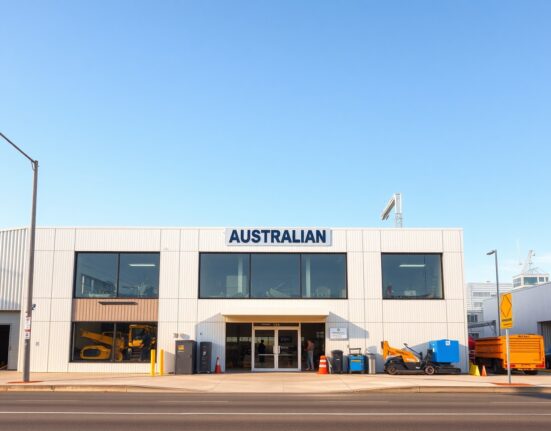
Australia’s manufacturing sector continued its expansionary trend in July, with the S&P Global Manufacturing Purchasing Managers’ Index (PMI) rising to 51.7 from 51.5.
Australia’s manufacturing sector expanded for the second consecutive month in July, with the S&P Global Manufacturing Purchasing Managers’ Index (PMI) rising to 51.7,.

Australia’s full-time employment surged to 29,300 in June, a significant increase from the previous reading of 5,200, according to the latest official data..

Australia’s unemployment rate is projected to remain steady at 4.4% in June 2025, according to consensus forecasts from economists, signaling continued resilience in.
The TD Securities-Melbourne Institute (TD-MI) Inflation Gauge for Australia recorded a year-on-year reading of 3.9% in June, down from 4.4% in May. This.

Australia’s services sector showed a marginal improvement in June, with the S&P Global Services PMI coming in at 50.5, above the market forecast.
Australia’s trade balance for May fell well short of market expectations, recording a deficit of -3018 million Australian dollars against a forecast of.

Australia’s trade balance unexpectedly swung into a deficit of $3,018 million in May, according to data released by the Australian Bureau of Statistics.
The Reserve Bank of Australia’s Commodity Index, measured in Special Drawing Rights (SDR) terms, recorded a year-on-year increase of 16.9% in June, slightly.
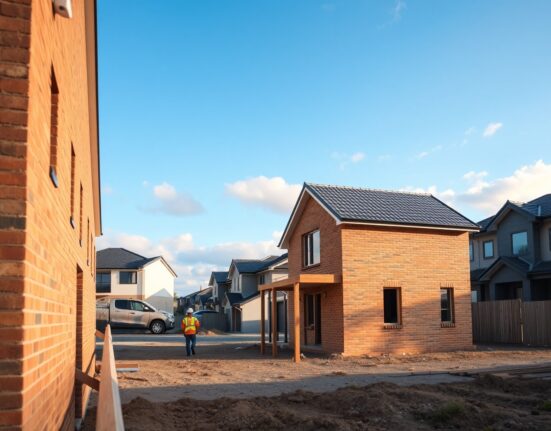
Australia’s building permits, a key indicator of future construction activity, rose 5.3% year-on-year in May, a notable deceleration from the 10.2% growth recorded.