

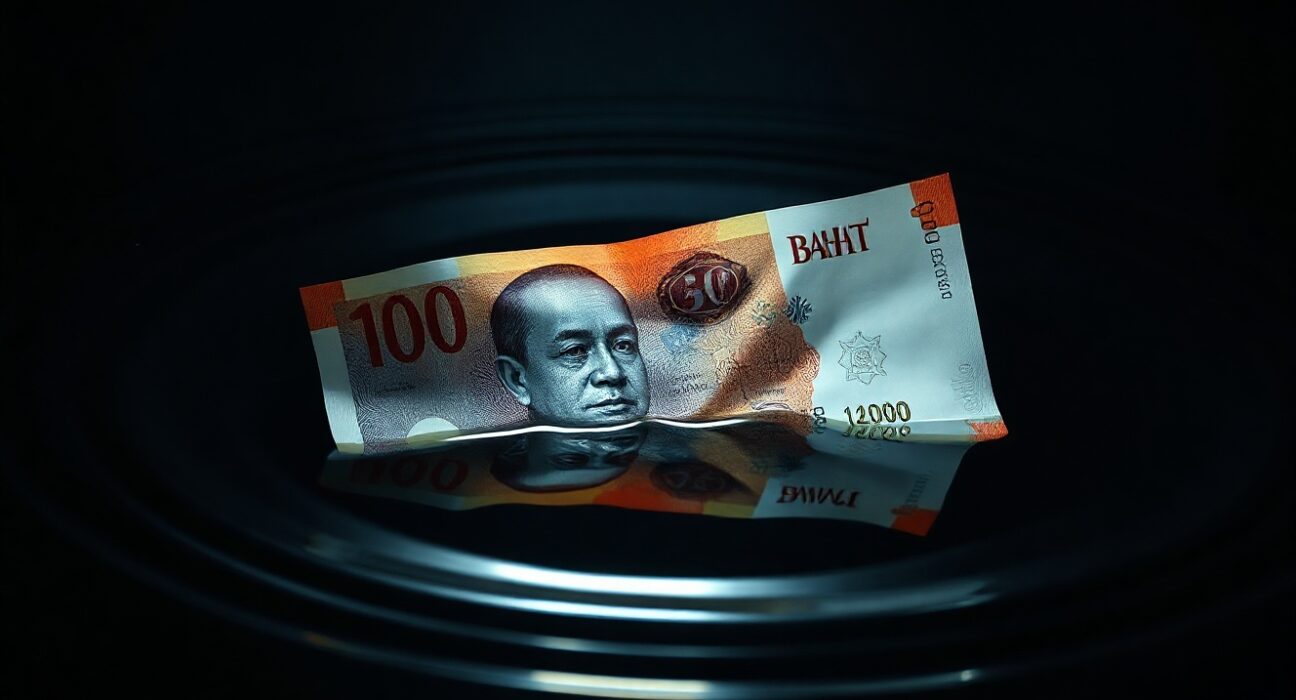
The Thai Baht remains highly exposed to the ongoing energy price shock, according to a recent analysis from MUFG Bank. The warning comes as global energy markets continue to experience volatility, placing additional strain on Thailand’s trade balance and currency stability.
Energy Dependence Weighs on THB Outlook
Thailand is a net importer of energy, making the Baht particularly sensitive to fluctuations in global oil and gas prices. MUFG analysts point out that the country’s current account surplus has narrowed significantly as energy import costs have risen, reducing the fundamental support for the currency. This structural vulnerability means that any further escalation in energy prices could trigger renewed depreciation pressure on the THB.
Central Bank Policy Constraints
The Bank of Thailand (BOT) faces a difficult balancing act. While inflation has moderated from its peaks, it remains above the central bank’s target range. However, aggressively raising interest rates to support the Baht could stifle domestic economic recovery, which has been uneven. MUFG notes that the BOT’s cautious stance may limit its ability to defend the currency aggressively, leaving the THB more susceptible to external shocks compared to regional peers with stronger policy buffers.
Regional and Global Context
The Baht’s vulnerability is also being amplified by broader trends in emerging market currencies. A stronger US dollar, driven by resilient US economic data and expectations of higher-for-longer Federal Reserve rates, is creating headwinds for Asian currencies generally. Thailand’s tourism sector, a key driver of service exports and Baht demand, has shown signs of recovery but remains below pre-pandemic levels, providing only partial offset to the energy trade deficit.
What This Means for Investors and Businesses
For importers and businesses with foreign currency exposure, the MUFG analysis underscores the importance of hedging strategies. The THB’s vulnerability suggests that volatility could persist in the near term, particularly if geopolitical tensions disrupt energy supply routes. For travelers and expatriates, the Baht’s weakness relative to the dollar may continue, though any sharp moves would likely prompt BOT intervention to smooth excessive fluctuations.
Conclusion
MUFG’s assessment highlights a critical structural challenge for the Thai Baht: its dependence on imported energy leaves it exposed to global price shocks that are largely outside Thailand’s control. While the BOT retains tools to manage volatility, the currency’s medium-term trajectory will depend heavily on energy market developments and the pace of domestic economic rebalancing. Investors should monitor energy price trends and BOT policy signals closely.
FAQs
Q1: Why is the Thai Baht vulnerable to energy price shocks?
Thailand is a net energy importer. When global oil and gas prices rise, the country’s import bill increases, worsening its trade balance and reducing demand for the Baht. This puts downward pressure on the currency.
Q2: What can the Bank of Thailand do to support the Baht?
The BOT can raise interest rates to attract foreign capital, intervene directly in the forex market by selling US dollar reserves, or use verbal intervention to guide market expectations. However, each option has trade-offs for domestic growth and inflation.
Q3: How does this affect Thai businesses and consumers?
A weaker Baht makes imports more expensive, including energy, raw materials, and consumer goods. This can fuel inflation and raise costs for businesses. Exporters may benefit from improved price competitiveness, but the net effect depends on the balance of import and export exposure.
Disclaimer: The information provided is not trading advice, Bitcoinworld.co.in holds no liability for any investments made based on the information provided on this page. We strongly recommend independent research and/or consultation with a qualified professional before making any investment decisions.
