

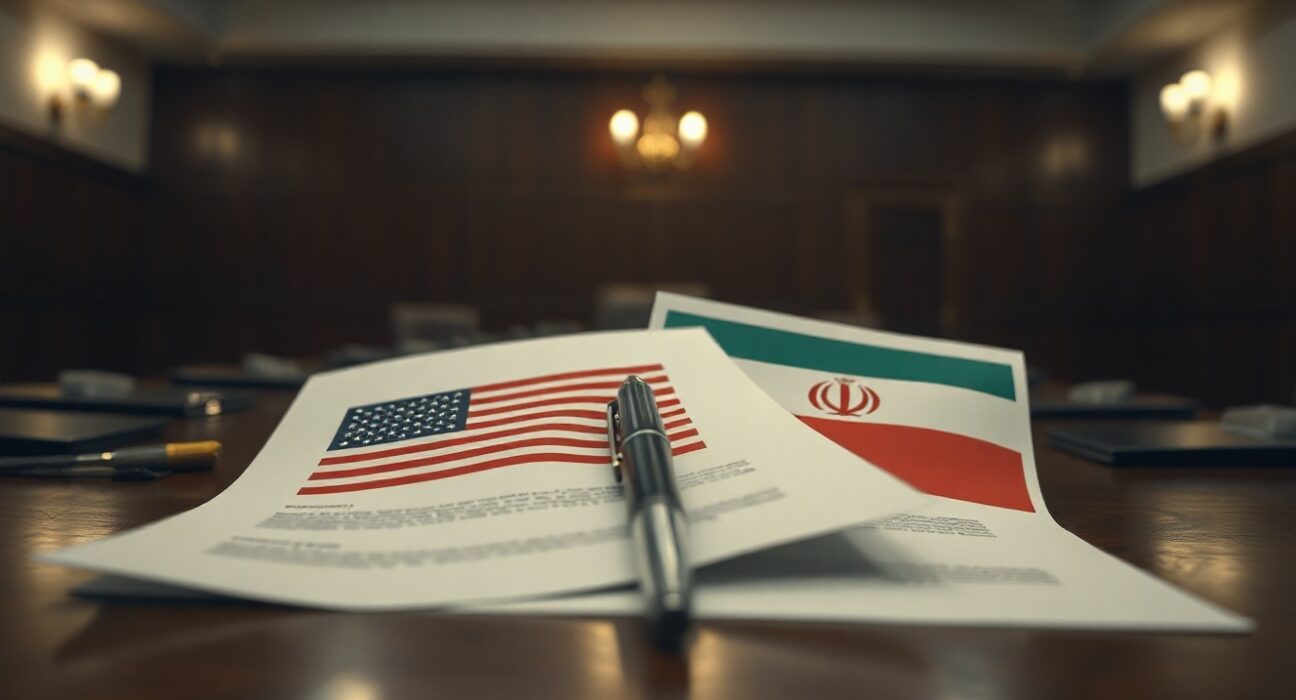
In an extraordinary diplomatic development, the Trump administration and the Iranian government have presented fundamentally different interpretations of an agreement signed earlier this week, raising questions about the substance and durability of the deal. While both sides confirmed that a document was signed during negotiations in Geneva, the content of that document remains a matter of sharp dispute.
What Each Side Claims
According to a White House statement released on Tuesday, the agreement establishes a framework for the phased removal of sanctions in exchange for verifiable limits on Iran’s uranium enrichment program. The statement emphasized that the deal includes snapback mechanisms and mandatory inspections by the International Atomic Energy Agency (IAEA).
Iran’s Foreign Ministry, however, described the same document as a non-binding memorandum of understanding focused solely on prisoner exchanges and the unfreezing of approximately $6 billion in Iranian assets held in South Korea. Iranian officials explicitly denied that the agreement addressed nuclear enrichment or missile development.
Diplomatic Fallout and Confusion
The conflicting narratives have created confusion among allies and adversaries alike. European diplomats involved in the talks, speaking on condition of anonymity, indicated that the document signed was deliberately vague to allow both sides to claim progress. One senior European diplomat described the situation as ‘a diplomatic Rorschach test, where each side sees what it wants to see.’
This is not the first time the Trump administration and Iran have disagreed on the terms of a signed document. In 2025, a similar dispute arose over a verbal understanding regarding maritime security in the Persian Gulf. That understanding collapsed within weeks.
Why This Matters for Markets and Regional Stability
The lack of clarity has immediate real-world consequences. Oil markets reacted negatively to the news, with Brent crude futures rising 2.3% on Wednesday as traders priced in continued uncertainty. The Iranian rial, already under severe pressure, weakened further against the US dollar in unofficial markets.
For investors and businesses monitoring the region, the dispute signals that any meaningful normalization of trade or investment remains distant. The absence of a clear, verifiable agreement reduces the likelihood of sanctions relief in the near term, affecting sectors from energy to shipping.
Historical Context
The current confusion echoes the breakdown of the 2015 Joint Comprehensive Plan of Action (JCPOA), which the Trump administration withdrew from in 2018. Iran subsequently expanded its enrichment program, and multiple rounds of indirect talks since 2021 have failed to restore the original framework. This latest episode underscores the deep mistrust between the two governments and the difficulty of achieving a transparent diplomatic outcome.
Conclusion
The conflicting accounts of what was signed represent more than a diplomatic miscommunication. They highlight a fundamental gap in expectations and trust that will need to be bridged before any meaningful progress can be made. For now, the agreement exists in a state of interpretive limbo, leaving markets, allies, and regional actors to parse carefully worded statements for clues about what actually transpired.
FAQs
Q1: Did Trump and Iran actually sign a deal?
Both sides confirm a document was signed, but they disagree on its content and legal significance. The US calls it a binding framework on nuclear limits; Iran describes it as a non-binding memorandum on prisoner swaps and asset releases.
Q2: Why are the accounts so different?
The document is reportedly vague and open to interpretation. Each side is presenting its own version to domestic audiences and international partners, reflecting deep mutual distrust and different strategic objectives.
Q3: What happens next?
Without a shared understanding of the agreement, implementation is uncertain. The IAEA has not confirmed any new inspection regime, and Iranian officials have not committed to enrichment limits. Further talks are expected, but no date has been set.
Disclaimer: The information provided is not trading advice, Bitcoinworld.co.in holds no liability for any investments made based on the information provided on this page. We strongly recommend independent research and/or consultation with a qualified professional before making any investment decisions.
