

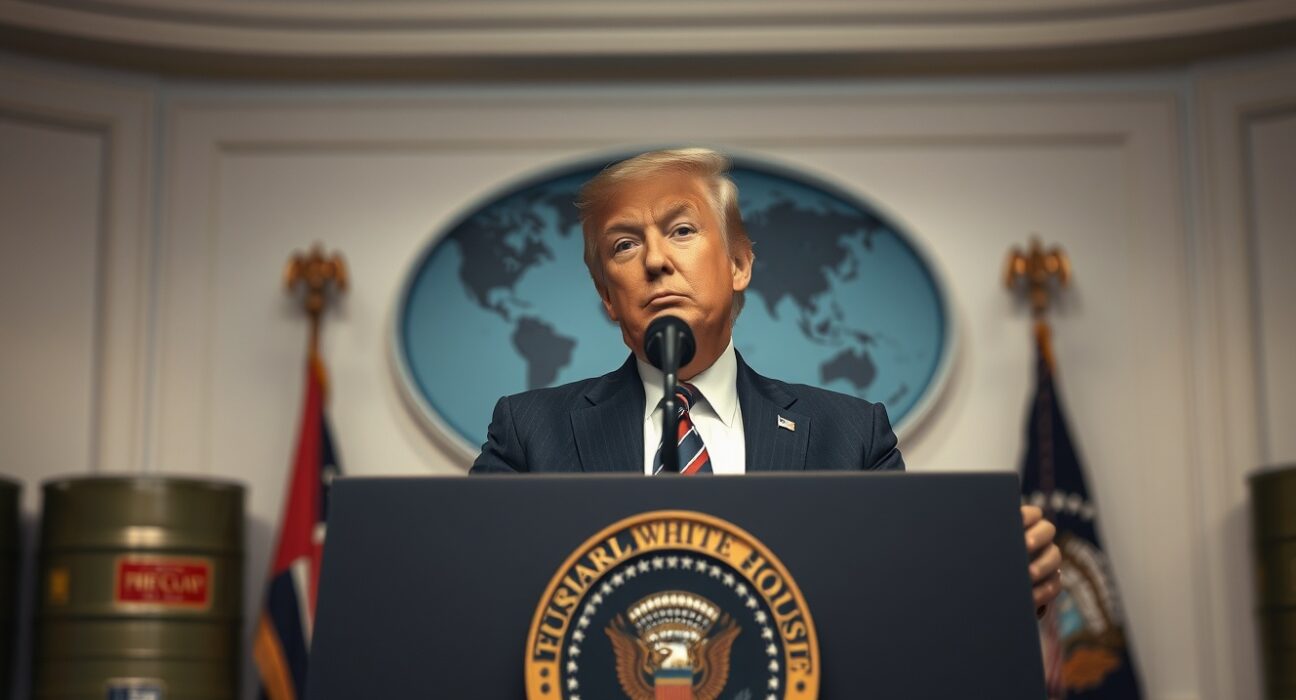
US President Donald Trump has signaled a striking indifference to the potential economic fallout from rising oil prices, stating bluntly, “I don’t care if negotiations with Iran are over.” The remark, made during a press briefing on Tuesday, comes amid stalled nuclear talks and heightened geopolitical tensions in the Middle East, leaving energy markets on edge.
Context and Immediate Market Reaction
The President’s comments follow weeks of backchannel discussions between US and Iranian officials aimed at reviving the 2015 Joint Comprehensive Plan of Action (JCPOA). However, recent reports indicate that negotiations have hit an impasse, with Iran demanding the removal of all sanctions and the US insisting on stricter compliance measures. Trump’s apparent dismissal of further talks suggests a hardening of the administration’s stance, a shift that analysts say could push oil prices higher.
Brent crude futures rose 2.3% in early trading Wednesday, breaching the $85 per barrel mark, while West Texas Intermediate (WTI) climbed above $81. The spike reflects market anxiety over potential supply disruptions if diplomatic channels collapse entirely. Iran, which holds the world’s fourth-largest proven oil reserves, has the capacity to add 1.5 million barrels per day to global markets—a volume that could significantly ease current supply tightness.
Geopolitical and Economic Implications
Trump’s statement is not merely a negotiating tactic, according to foreign policy experts. It represents a broader strategic shift away from multilateral diplomacy and toward maximum pressure. “This is a signal that the administration is willing to accept short-term economic pain to achieve long-term geopolitical objectives,” said Dr. Elena Marchetti, a senior fellow at the Center for Strategic and International Studies.
For American consumers, the impact is immediate. Higher oil prices translate directly into increased costs at the pump, with the national average for a gallon of gasoline already hovering near $3.80. Analysts warn that sustained price increases could dampen consumer spending and complicate the Federal Reserve’s efforts to manage inflation. The US Energy Information Administration (EIA) has projected that a sustained $10 increase in oil prices could reduce GDP growth by 0.3 percentage points over the following year.
What This Means for Global Energy Markets
The potential collapse of US-Iran talks also reshapes the global energy landscape. China and India, the world’s largest importers of Iranian oil before sanctions were reimposed, are likely to accelerate their search for alternative suppliers. Russia and Saudi Arabia, already major players, stand to gain from any disruption to Iranian exports. Meanwhile, European allies, who have been pushing for a diplomatic resolution, may find themselves sidelined.
OPEC+ has signaled it will maintain its current production strategy, but the cartel’s spare capacity is limited. With global inventories already below the five-year average, any further supply shock could push prices toward $100 per barrel, a level not seen since 2014.
Conclusion
President Trump’s apparent willingness to walk away from the negotiating table—and accept the economic consequences—marks a pivotal moment in US foreign policy and energy markets. While the administration may view this as a necessary stance for national security, the ripple effects will be felt by consumers, businesses, and global allies. As diplomatic channels narrow, the world watches closely for the next move from Tehran and Washington.
FAQs
Q1: Why did Trump say he doesn’t care if negotiations with Iran are over?
A: The President’s remarks reflect a hardened US stance on Iran’s nuclear program, signaling that the administration is prioritizing non-proliferation goals over potential short-term economic stability.
Q2: How will this affect oil prices in the coming months?
A: If negotiations remain stalled, oil prices are likely to rise further due to supply concerns. Analysts project Brent crude could reach $90–$100 per barrel, depending on OPEC+ decisions and global demand.
Q3: What are the broader economic consequences for the US?
A: Higher oil prices increase gasoline costs, reduce consumer purchasing power, and may slow GDP growth. The Federal Reserve may face additional pressure to adjust interest rates if inflation accelerates.
Disclaimer: The information provided is not trading advice, Bitcoinworld.co.in holds no liability for any investments made based on the information provided on this page. We strongly recommend independent research and/or consultation with a qualified professional before making any investment decisions.
