

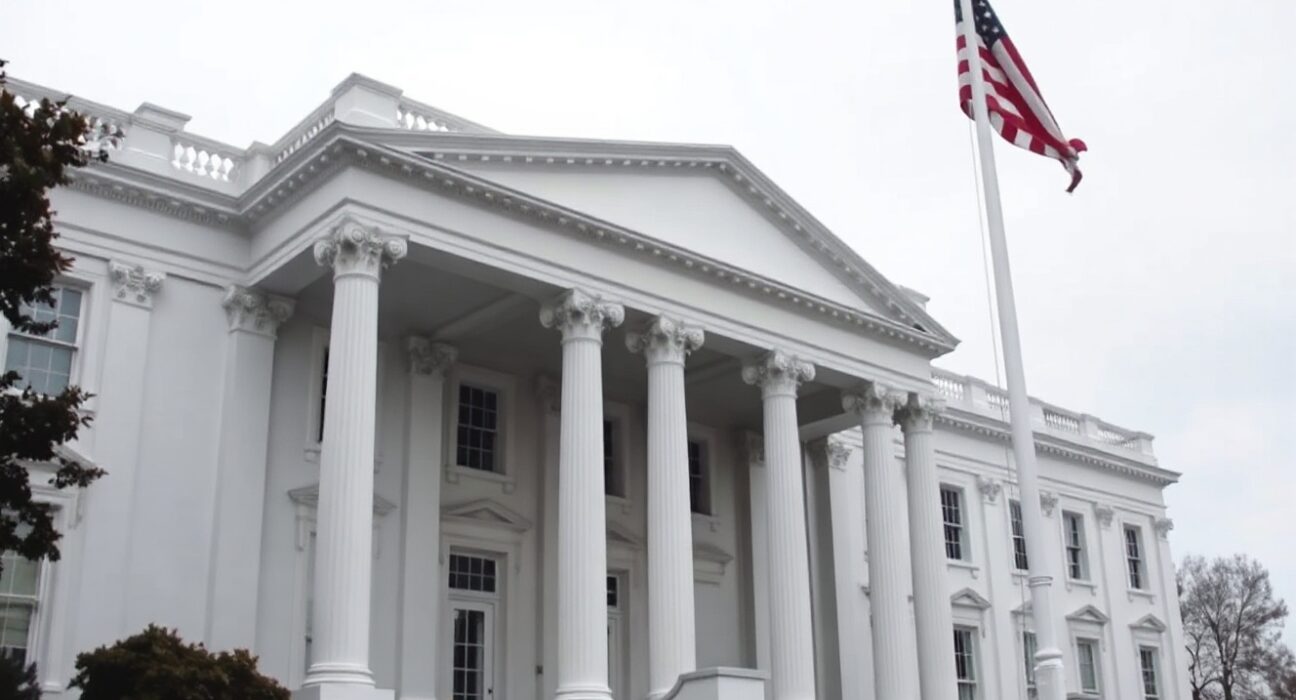
U.S. President Donald Trump announced on his Truth Social platform that final negotiations are underway to end the conflict with Iran. In a series of posts, he criticized a recent vote by the House of Representatives to limit his war powers, calling the measure meaningless and unpatriotic.
House Vote and Presidential Response
On [insert date of vote], the House of Representatives passed a resolution aimed at restricting the president’s ability to engage in military action against Iran without congressional approval. The vote, which largely followed party lines, was seen as a rebuke of the administration’s handling of the escalating tensions. Trump responded by asserting that the vote occurred while his administration is in the final stages of negotiating an end to the conflict, accusing lawmakers of being aware of the progress but choosing to undermine it for political gain.
Context and Implications
The conflict with Iran has been a central foreign policy challenge for the Trump administration, with tensions escalating following the U.S. withdrawal from the Joint Comprehensive Plan of Action (JCPOA) in 2018 and subsequent sanctions. The president’s claim of final negotiations suggests a potential diplomatic resolution, though details on the talks remain scarce. The House vote highlights ongoing tensions between the executive and legislative branches over war powers, a constitutional debate that has persisted for decades. The War Powers Resolution of 1973, enacted after the Vietnam War, requires the president to notify Congress within 48 hours of committing armed forces to military action and limits engagements to 60 days without congressional authorization.
Why This Matters
For readers, this development touches on the balance of power in U.S. foreign policy, the potential for de-escalation in a volatile region, and the political dynamics ahead of the upcoming election. The outcome of the negotiations could have significant implications for global oil markets, regional stability, and U.S. military commitments. The president’s characterization of the House vote as unpatriotic also signals a deepening partisan divide over national security matters.
Conclusion
As the situation develops, the veracity of Trump’s claim regarding the status of negotiations remains to be independently verified. The House vote, while largely symbolic given the likelihood of a veto or Senate inaction, underscores the ongoing constitutional struggle over war powers. Readers should monitor official statements from both the administration and congressional leaders for further clarity.
FAQs
Q1: What did the House vote on regarding Iran?
The House passed a resolution to limit President Trump’s ability to use military force against Iran without prior congressional approval, citing the need for congressional oversight under the War Powers Resolution.
Q2: Is the war with Iran officially ongoing?
The U.S. has not formally declared war on Iran, but there have been military engagements and heightened tensions. Trump’s statement refers to negotiations to end the conflict, which may include diplomatic efforts to de-escalate hostilities.
Q3: What is the War Powers Resolution?
Enacted in 1973, the War Powers Resolution requires the president to consult with Congress before committing U.S. forces to armed conflict and to withdraw forces within 60 days unless Congress authorizes continued action.
Disclaimer: The information provided is not trading advice, Bitcoinworld.co.in holds no liability for any investments made based on the information provided on this page. We strongly recommend independent research and/or consultation with a qualified professional before making any investment decisions.
